 Product
Filter Bags / PTFE Membrane
Filter Bags
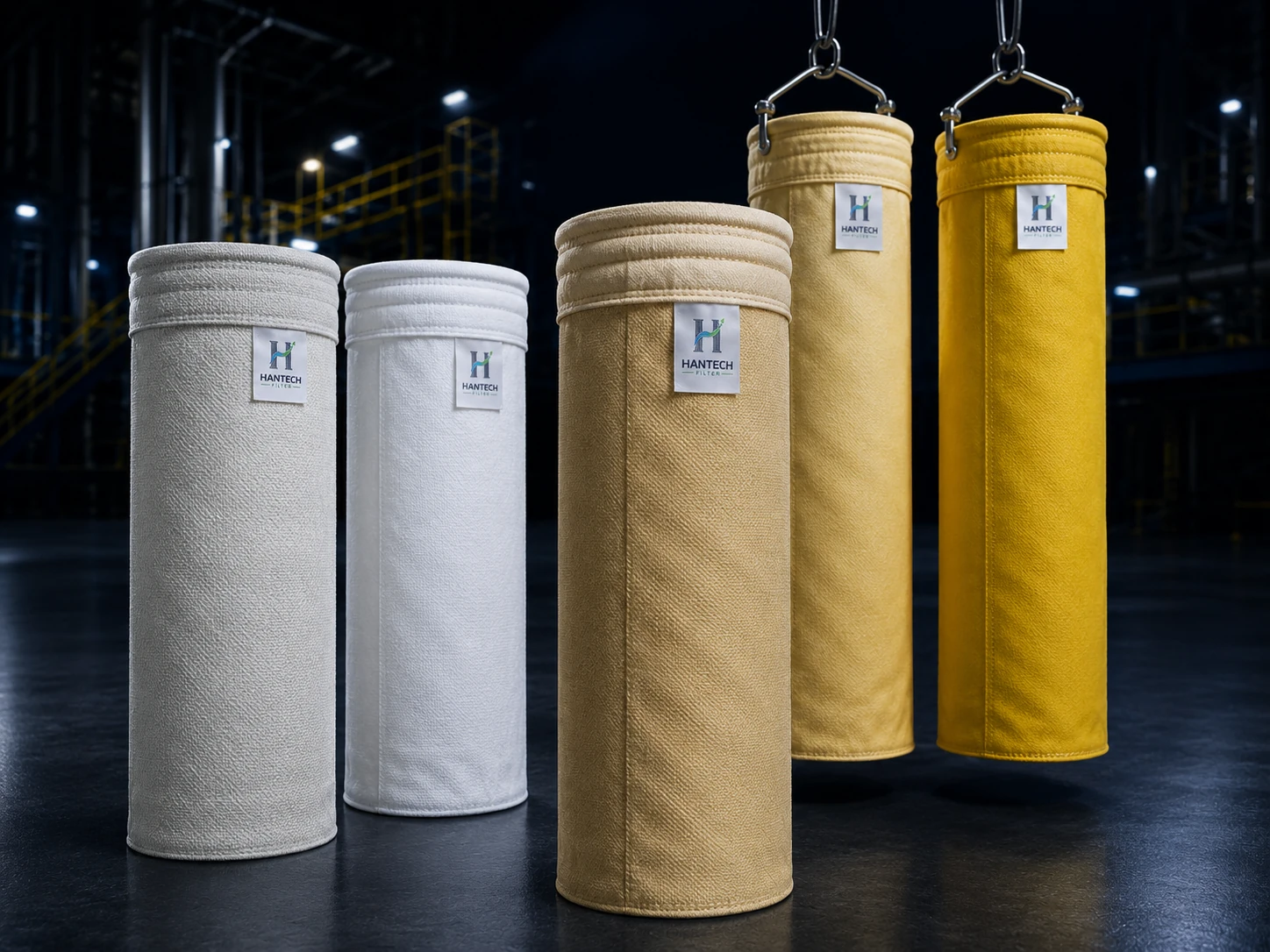
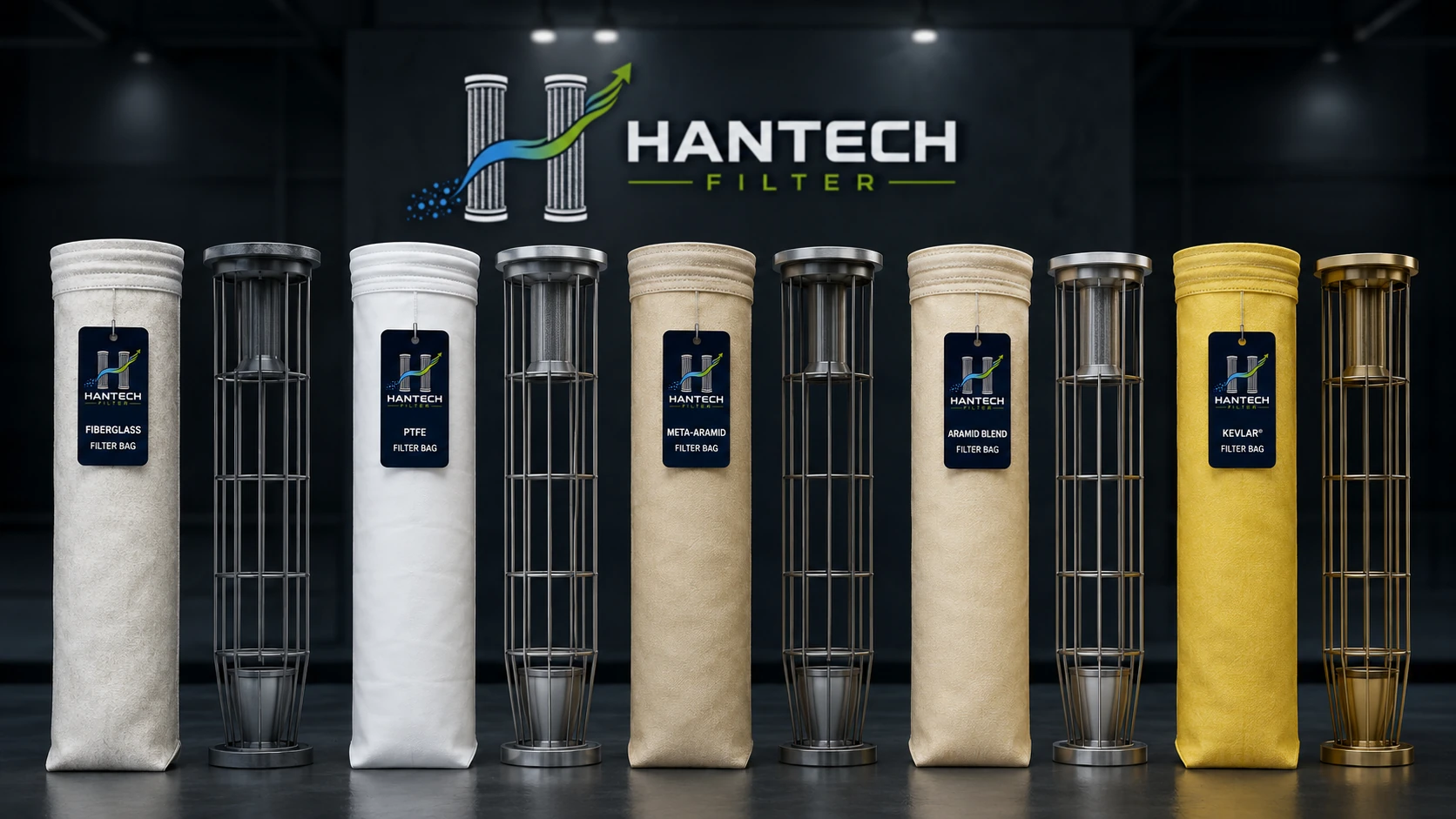
Polyester, PP, acrylic, PPS, aramid, P84, PTFE, fiberglass, antistatic, and ePTFE membrane filter bag options.
Explore
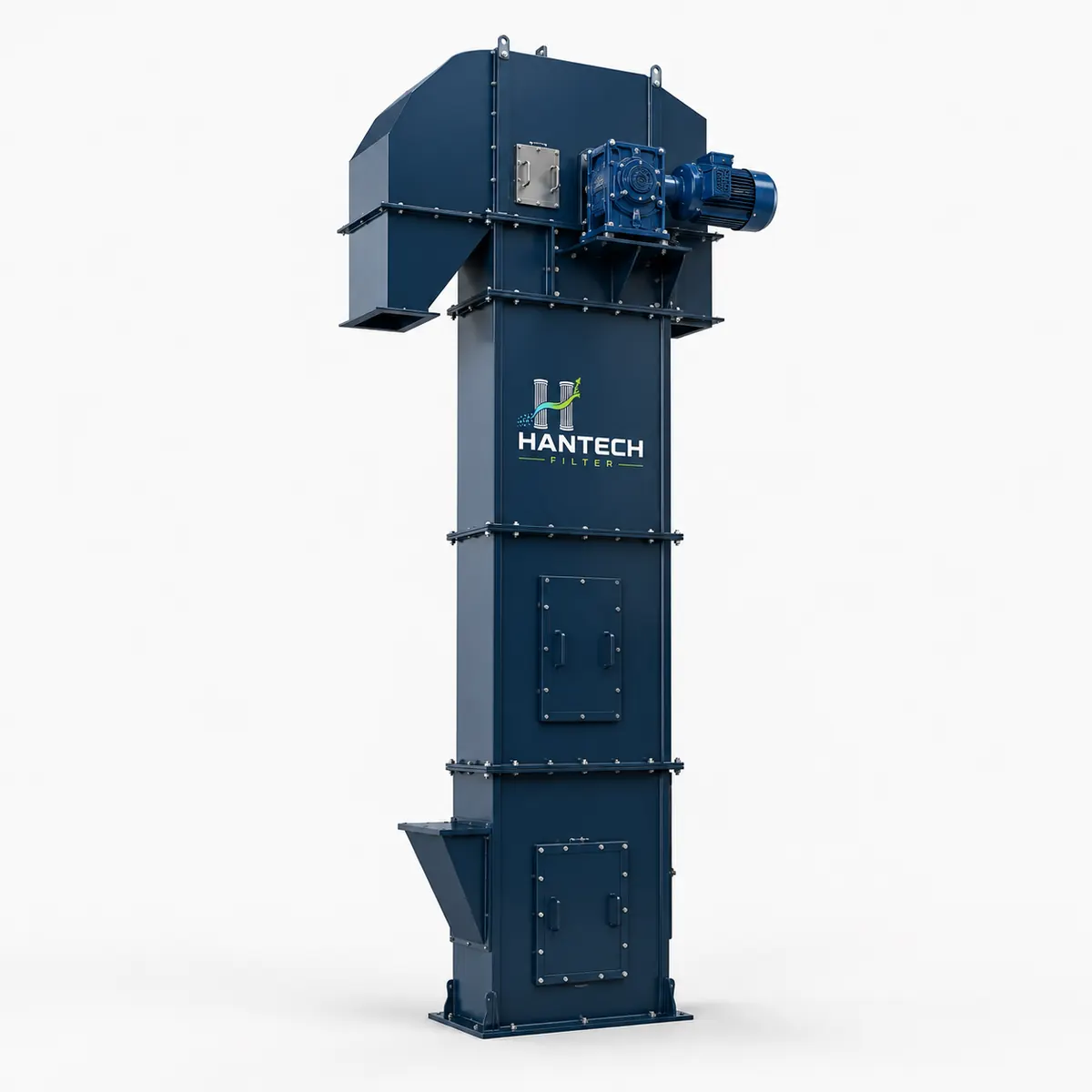
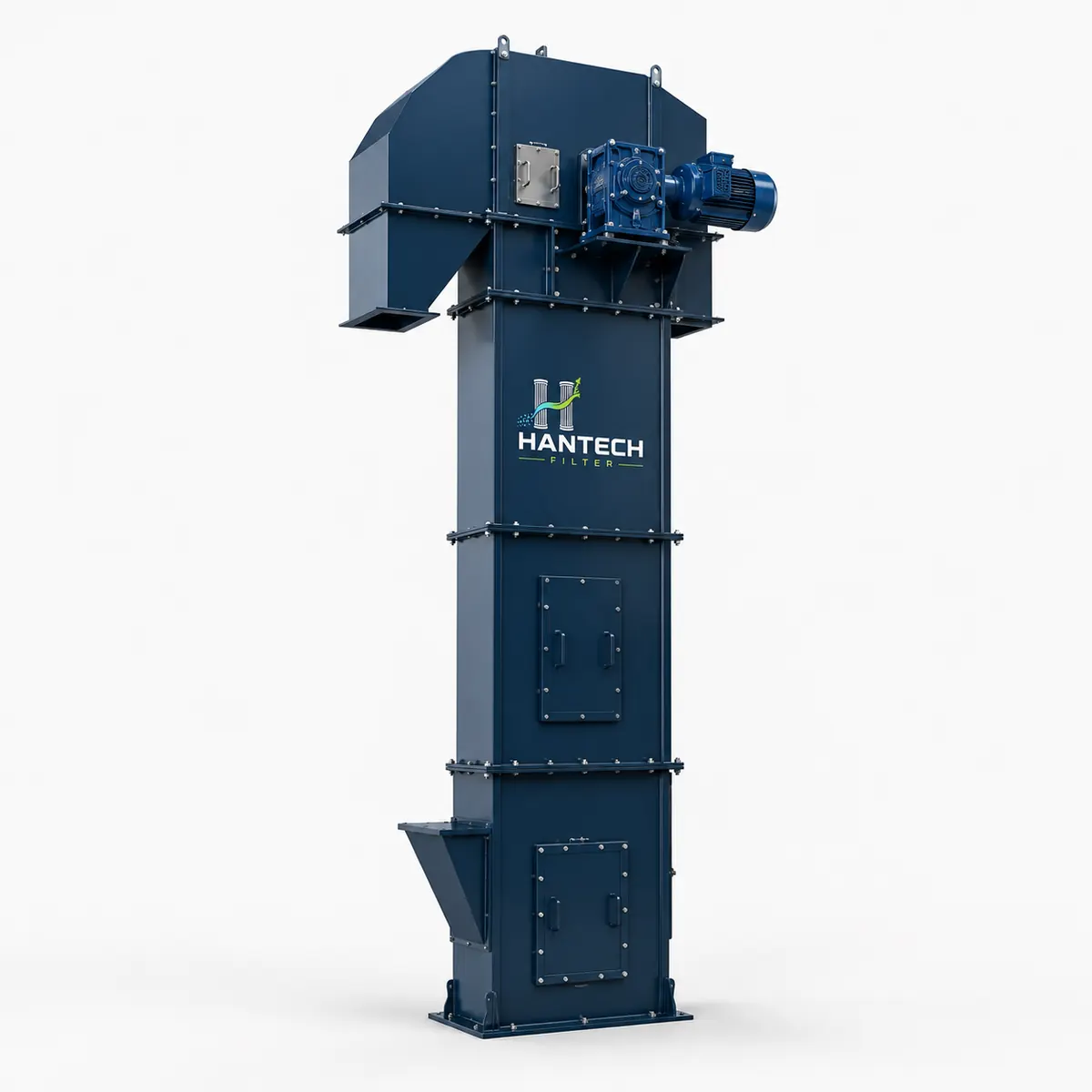
Bucket elevator solutions for controlled vertical conveying of dust, granules, and bulk materials.
Bucket elevator solutions for controlled vertical conveying of dust, granules, and bulk materials. Hantech Filter evaluates material properties, target capacity, line geometry, drive, wear, sealing, and maintenance access together within the same transport system.
A bucket elevator is more than just a vertical conveying housing. Feed method, bucket fill level, speed, belt/chain, discharge geometry, and explosion/dust risk are all evaluated within the same system.
Product selection is made by evaluating site data, process risk, maintenance access, and operating cost together.
Bucket volume, bucket spacing, line speed, fill ratio, and material density determine the actual conveying capacity.
Total elevation difference, head/tail station layout, service area, and backflow risk affect the drive selection.
Belt-driven or chain-driven construction is selected based on temperature, abrasiveness, particle size, and impact load.
Speed sensor, slip monitoring, blockage control, backstop, and explosion risk are engineered according to the application.
| Type / solution | Application | Advantage | Caution point |
|---|---|---|---|
| Belt bucket elevator | Fine dust and granules, high-speed vertical conveying | Quieter, higher-speed operation | Belt centering, temperature, and slip monitoring are required |
| Chain bucket elevator | Heavy, hot, or impact-loaded material | High mechanical strength | Wear is monitored at chain, pin, and bucket connections |
| Centrifugal discharge | Free-flowing granules and dry material | High capacity and clean discharge | Velocity and hood geometry must be suited to the material |
| Continuous discharge | Fragile or poor-flowing product | More controlled, low-impact transfer | Feed continuity and bucket fill level are critical |
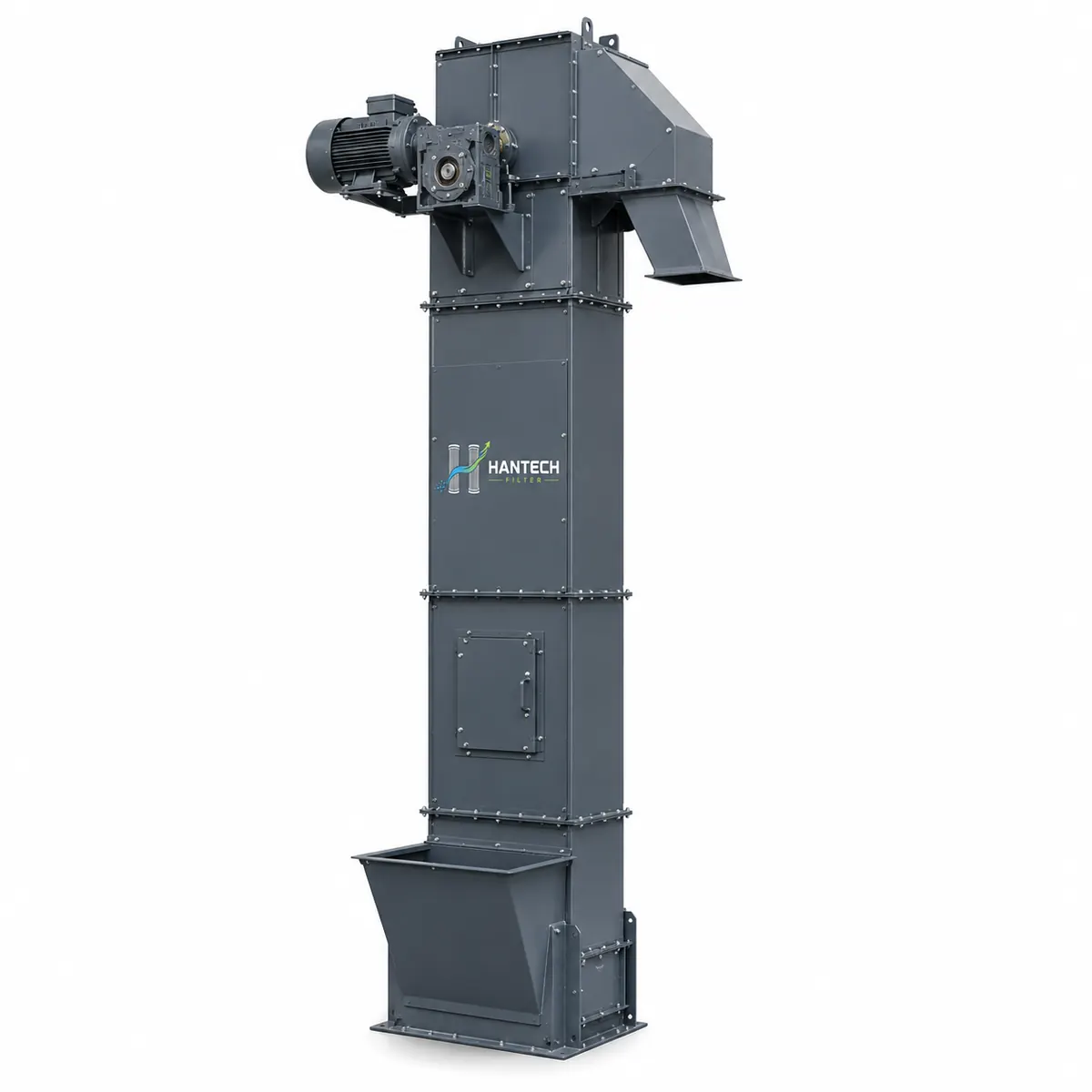
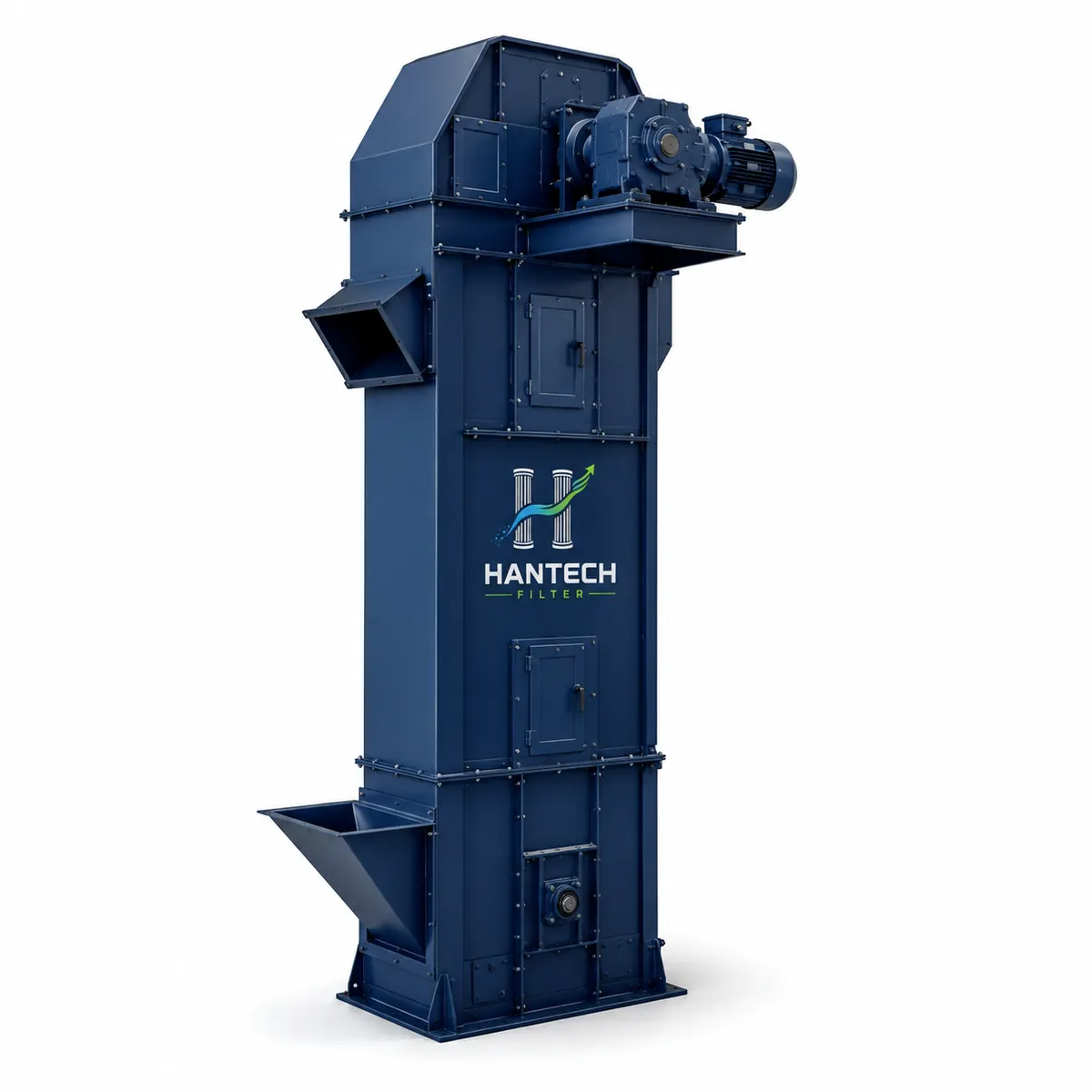
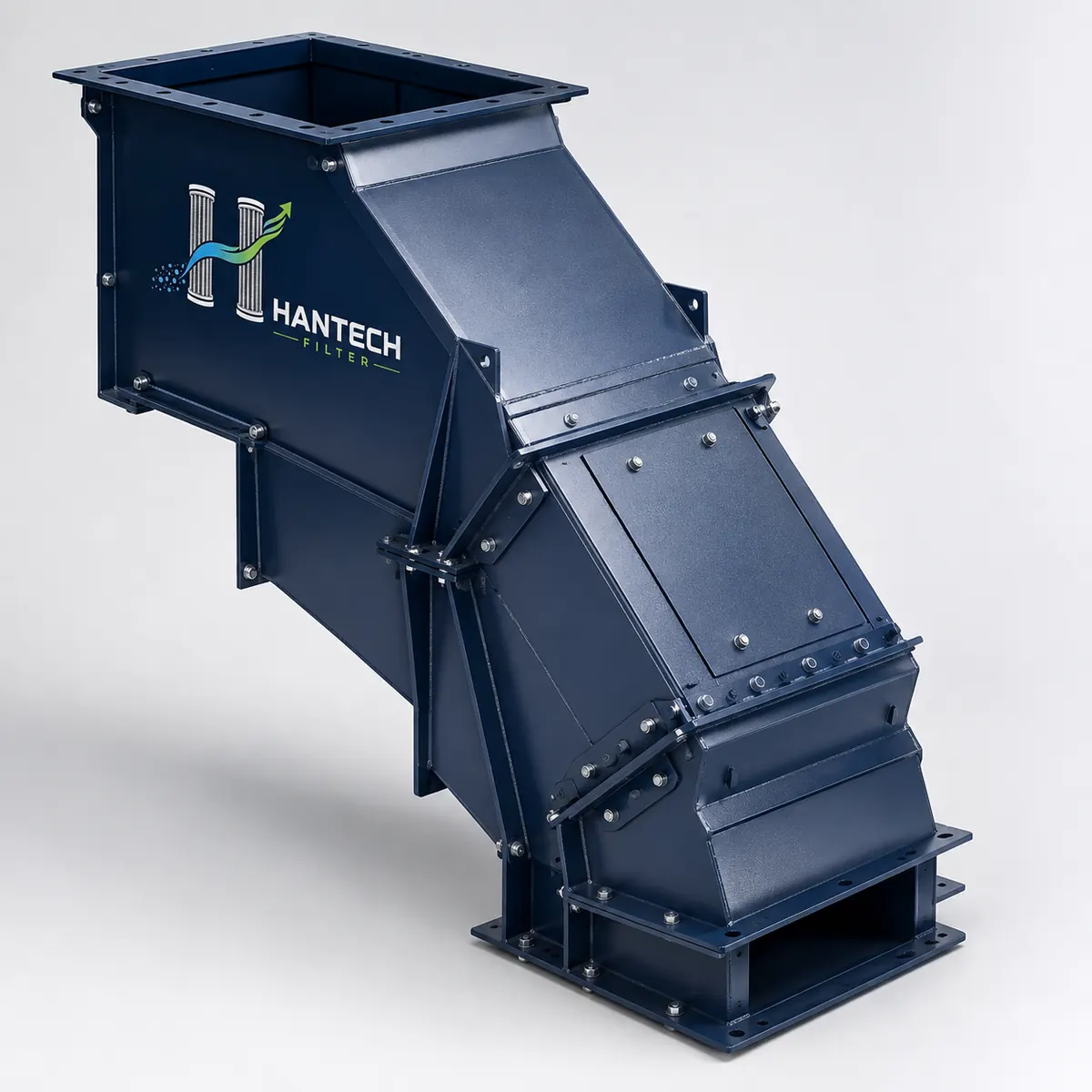
Material name and bulk density, ton/hour capacity, particle size, moisture, temperature, line length, incline/elevation difference, operating duration, and connected equipment are all evaluated together.
Nominal/peak tons per hour, daily operating time, and feed continuity are calculated together.
Bulk density, particle size, moisture, abrasiveness, line length, and elevation difference determine the equipment type.
Motor-gearbox, sensors, guards, service covers, and planned maintenance access are defined from the outset.
Product
Polyester, PP, acrylic, PPS, aramid, P84, PTFE, fiberglass, antistatic, and ePTFE membrane filter bag options.
Explore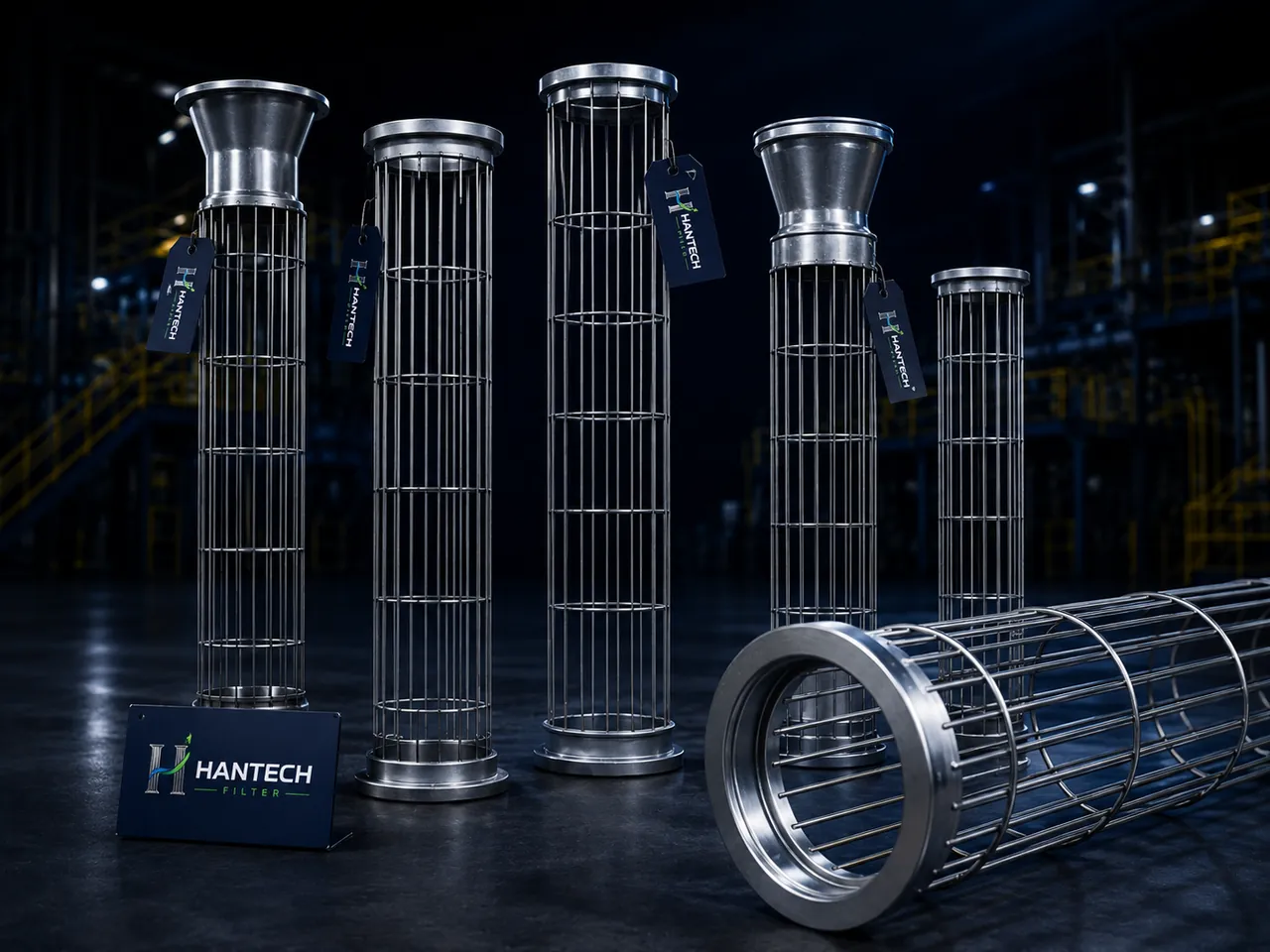 Product
Filter cage, bag cage, cataphoresis-coated cage, silicone-coated cage, SS304 venturi cage, and membrane-compatible cages.
Explore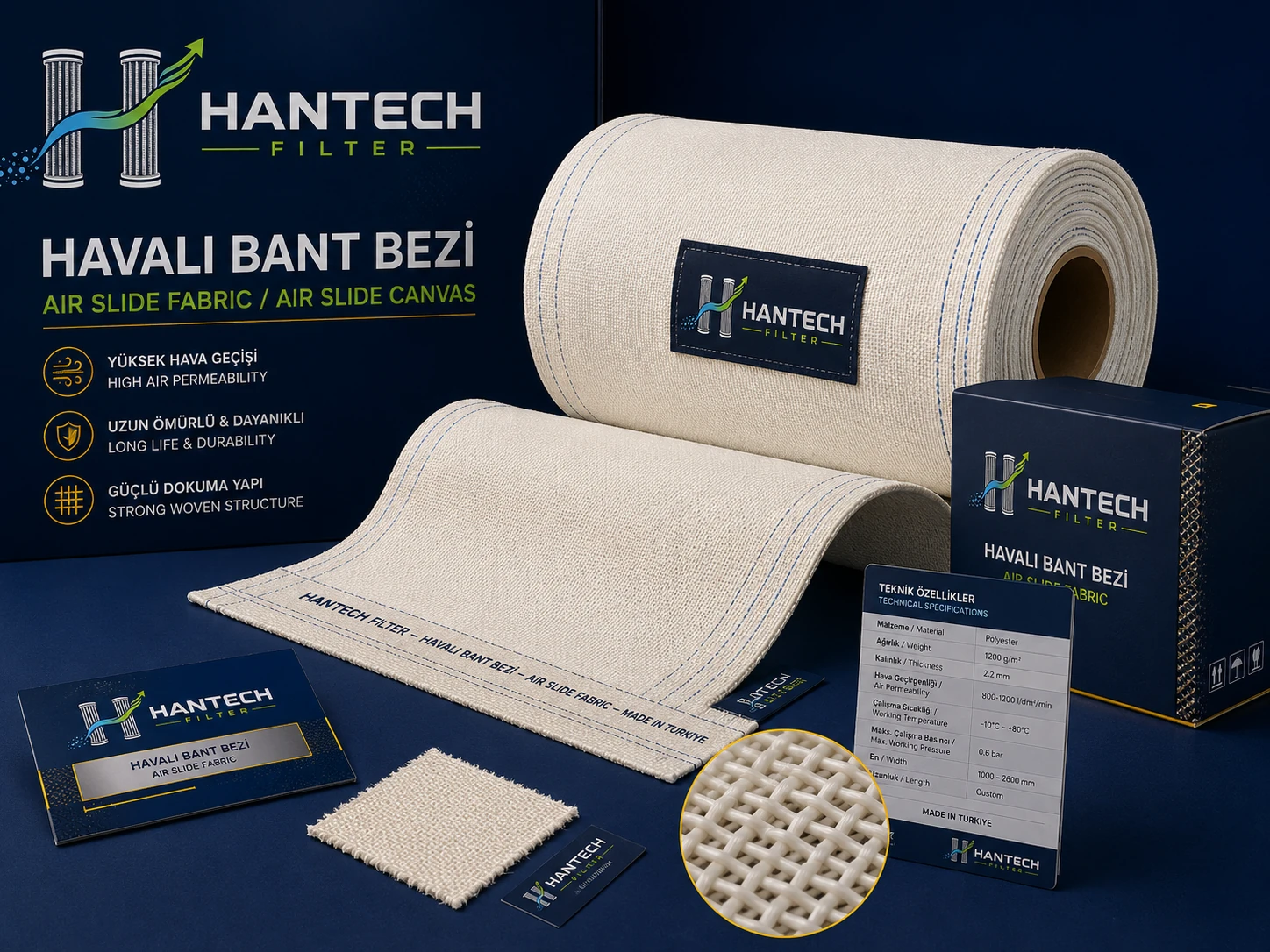 Product
Air slide fabric, air slide cloth, and cement pneumatic conveying fabrics.
Explore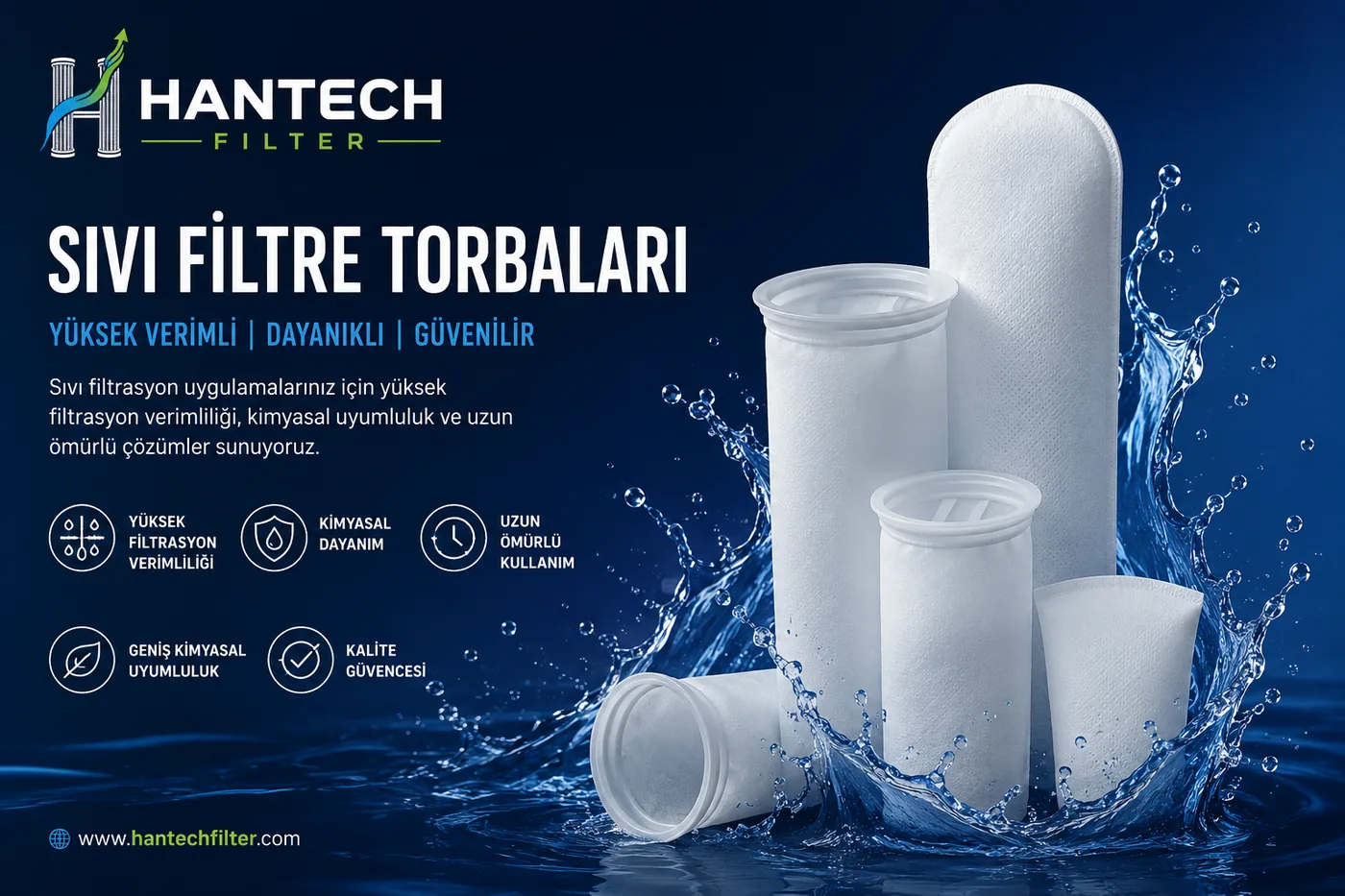 Product
Filter bags for liquid processes, cartridge/bag filter housing selection, and chemically compatible filtration solutions.
ExploreShare your material type, target capacity, line length, elevation difference, and operating regime; we'll clarify the conveying equipment and connected line scope.