 Product
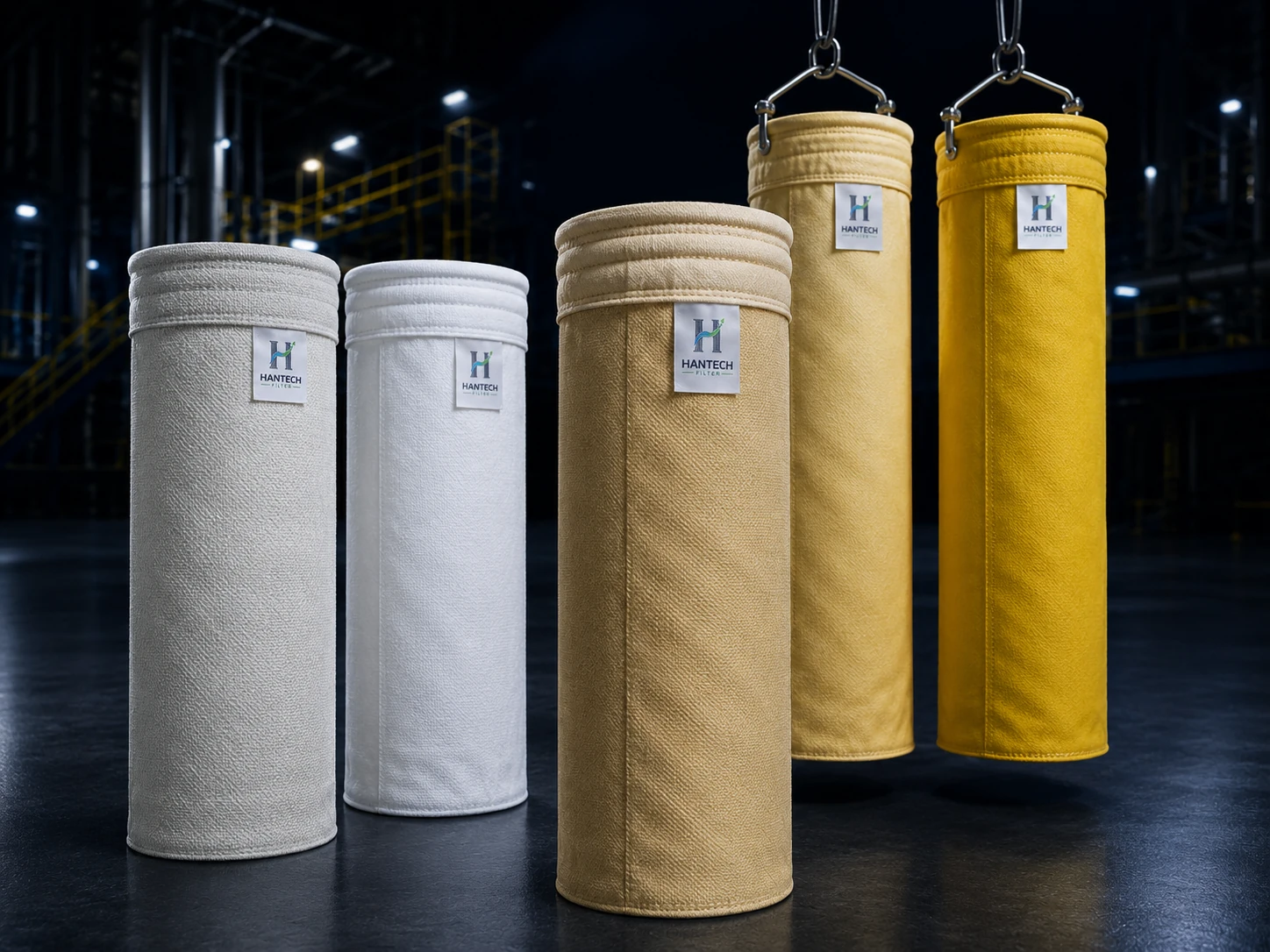
Filter Bags / PTFE Membrane
Filter Bags
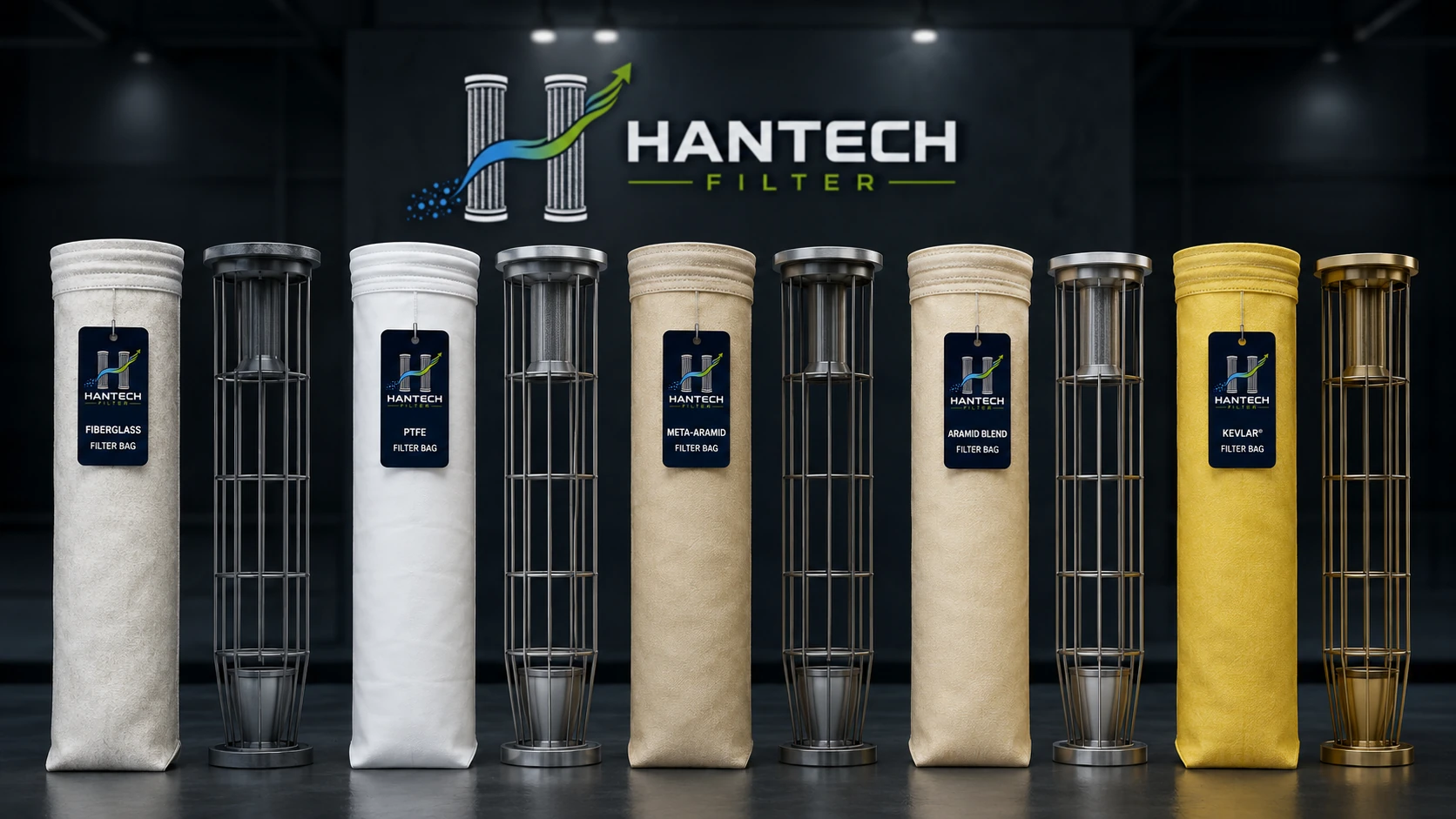
Polyester, PP, acrylic, PPS, aramid, P84, PTFE, fiberglass, antistatic, and ePTFE membrane filter bag options.
Explore
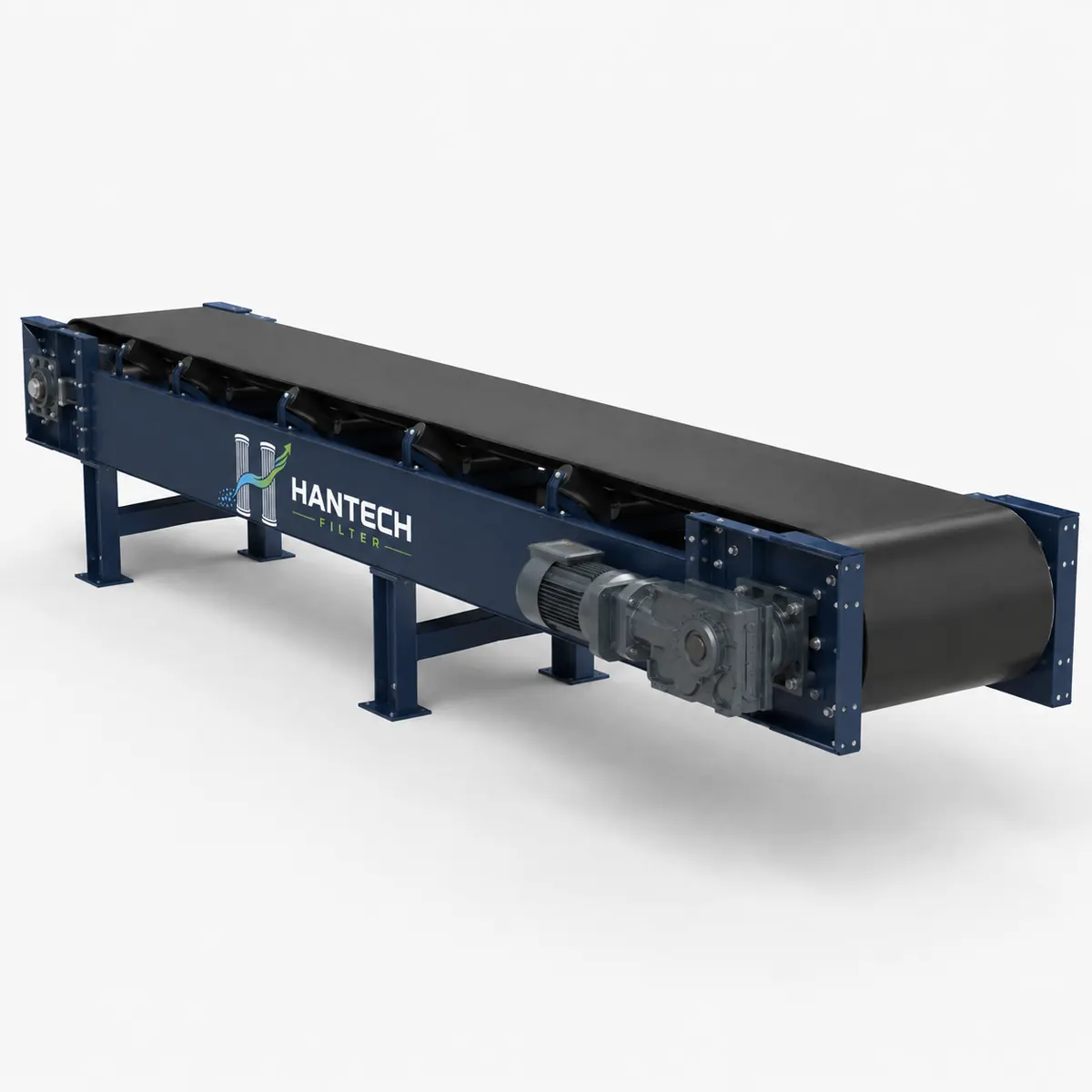
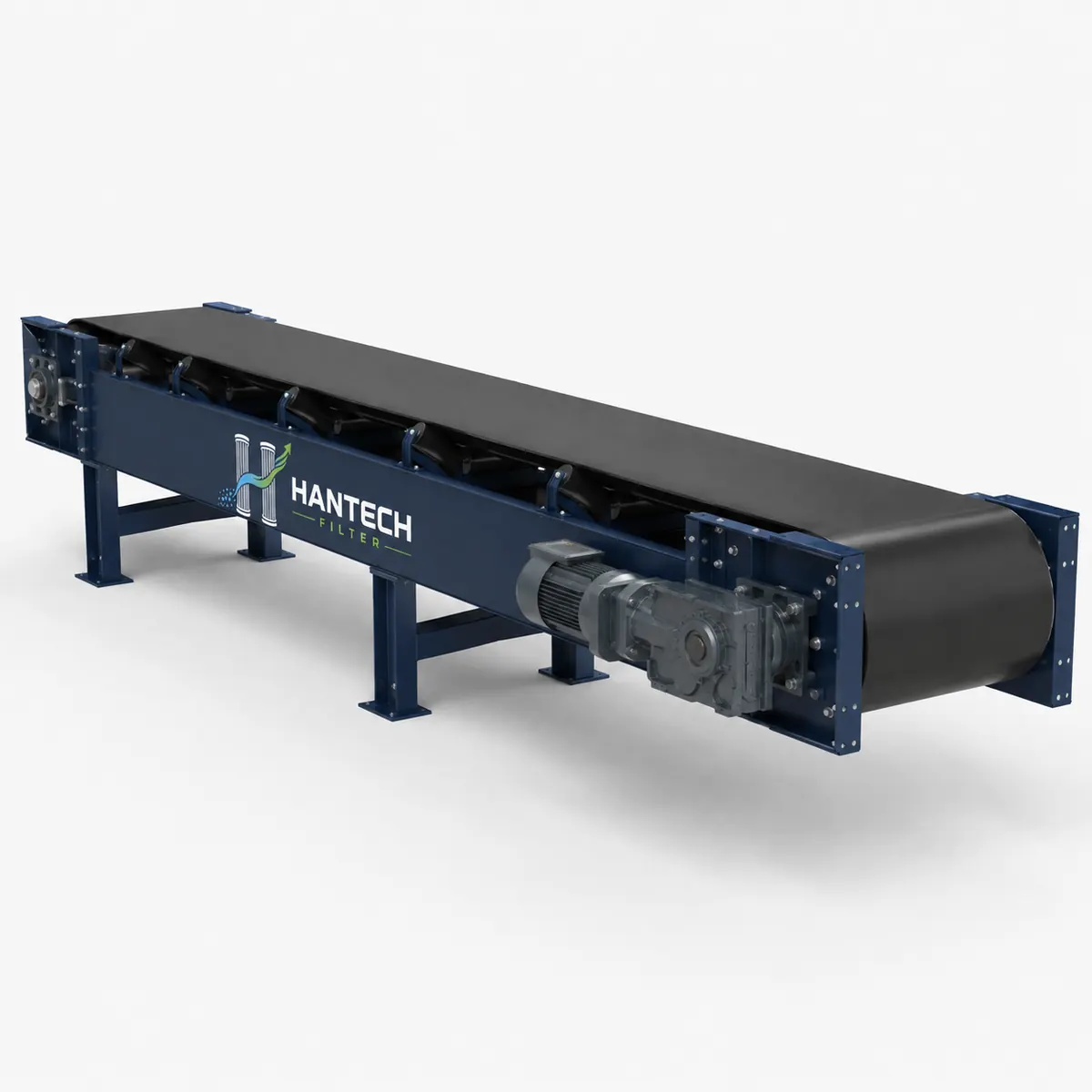
Belt, chain and enclosed conveyor systems for bulk material transfer, sized from 10 to 3,000 tons/hour depending on project requirements.
Belt, chain, and enclosed conveyor systems for bulk material transfer, with a selection range of 10–3,000 tons/hour depending on project needs. Hantech Filter evaluates material properties, target capacity, line geometry, drive, wear, sealing, and maintenance access together within the same transport system.
Depending on project requirements, Hantech evaluates conveyor applications in the 10–3,000 ton/hour range together with material density, particle size, line length, incline, belt speed, and transfer points. This range is not a guarantee of a single standard model, but an engineering and quotation selection band.
Product selection is made by evaluating site data, process risk, maintenance access, and operating cost together.
Capacity selection range; the exact value is calculated from product density, belt width/speed, fill level, incline, and feed continuity.
Horizontal distance, elevation difference, turns, transfer towers, and site layout determine the conveyor type.
Enclosed gallery, covers, skirt rubber, transfer chutes, and local extraction points reduce spillage/dust leakage.
Motor-gearbox, backstop, belt slip and speed sensors, emergency stop, and guards are selected together.
| Type / solution | Application | Advantage | Caution point |
|---|---|---|---|
| Belt conveyor | Medium-to-long-distance bulk material transfer | Wide capacity range and energy efficiency | Belt speed, width, incline, and transfer chute are calculated together |
| Enclosed belt conveyor | Dusty or fully enclosed transfer | Lower spillage and dust dispersion | Service access and cleaning points are planned |
| Chain/drag conveyor | Heavy-duty, hot, or abrasive material | Controlled conveying within an enclosed housing | Chain tensioner, pallet, and housing wear is monitored |
| Inclined conveyor | Transfer lines with elevation differences | Elevation and transfer on a single line | Slippage, backflow, and material carryback are checked |
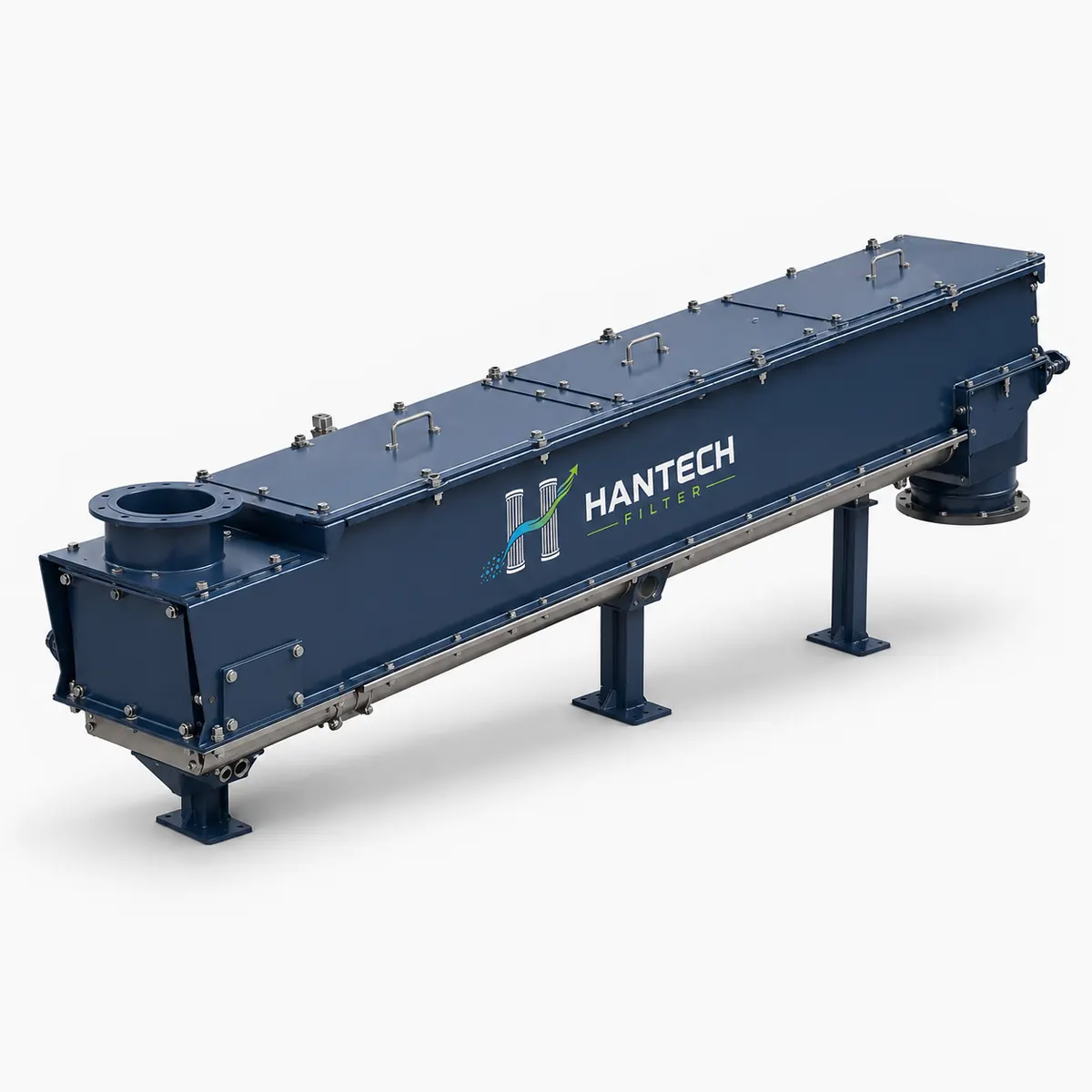
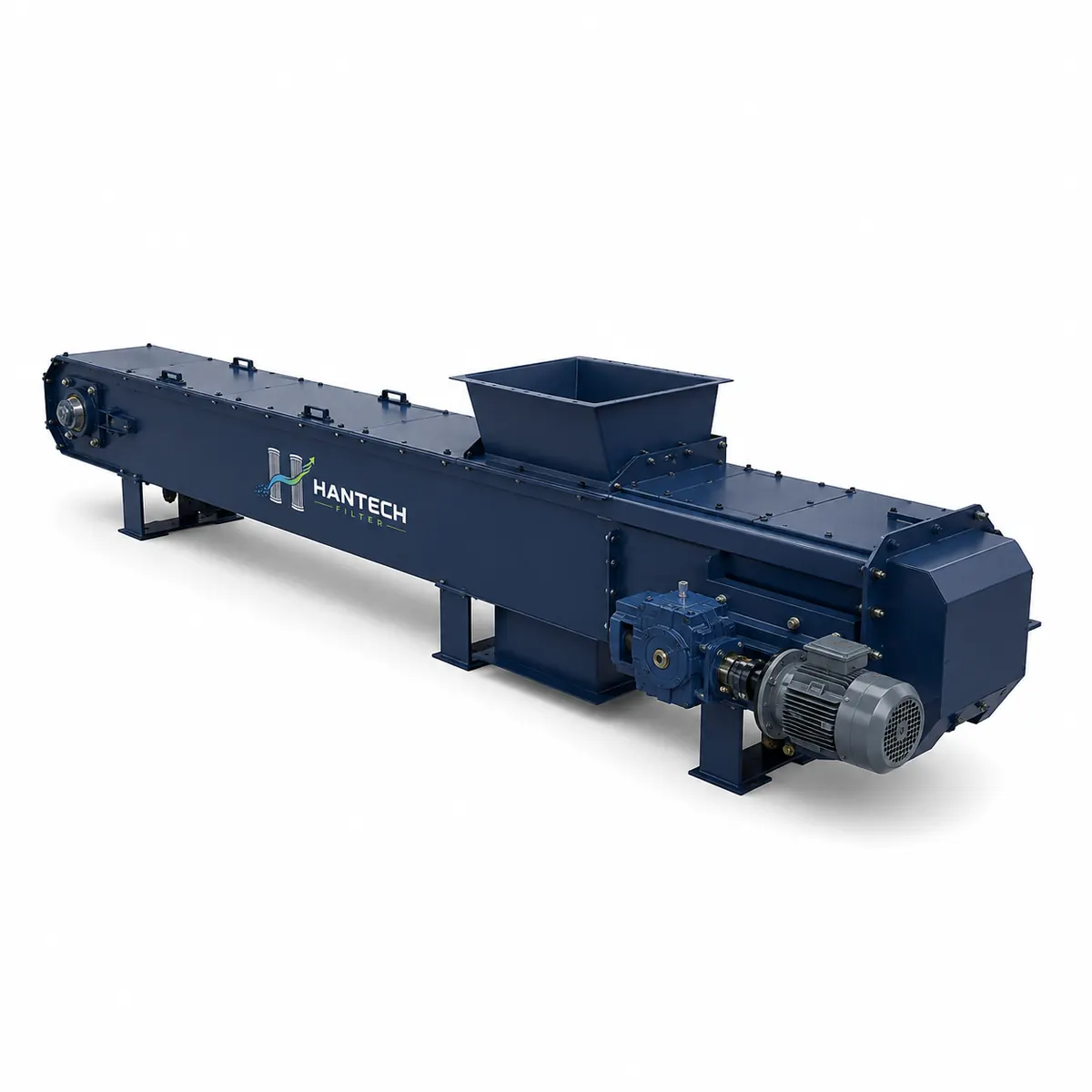
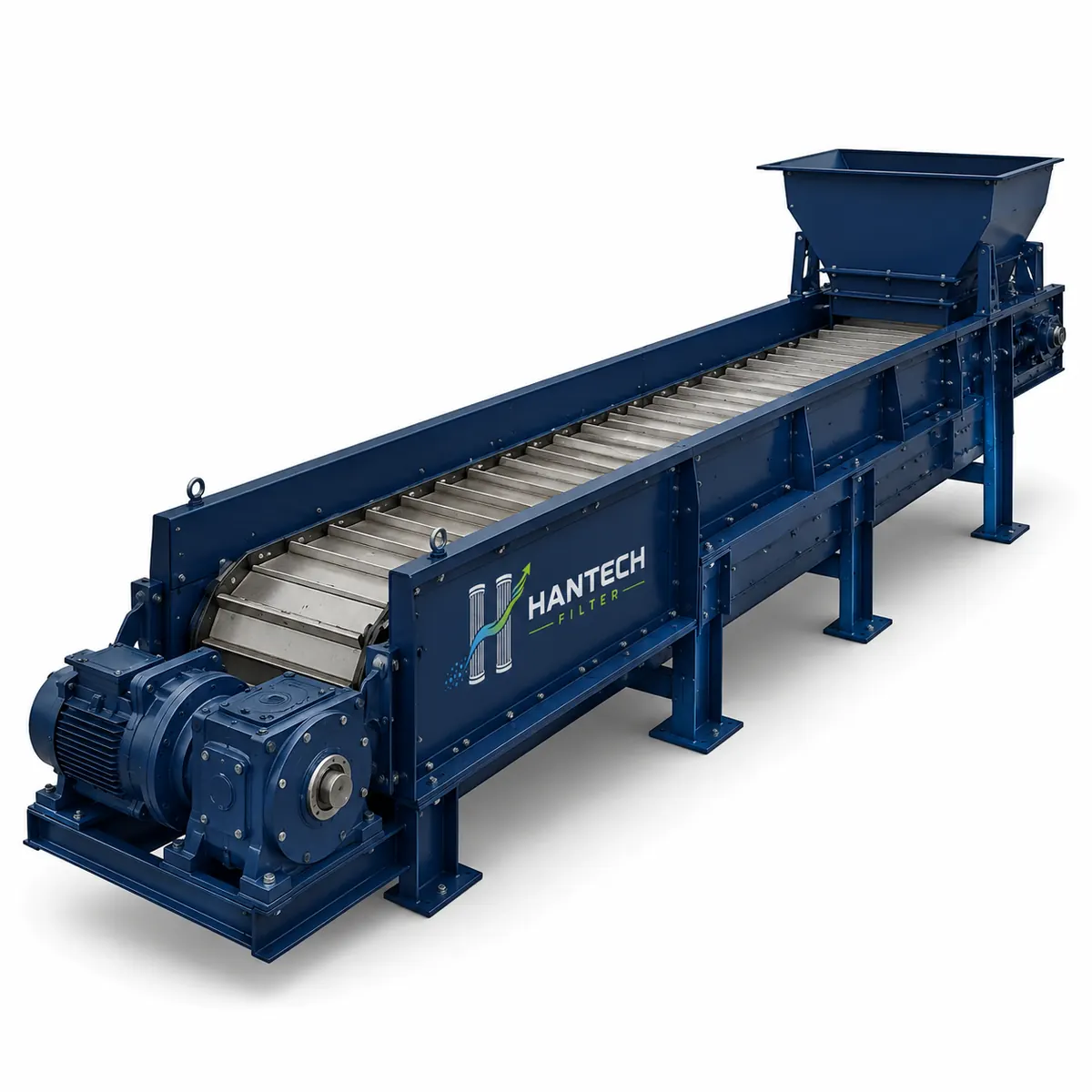
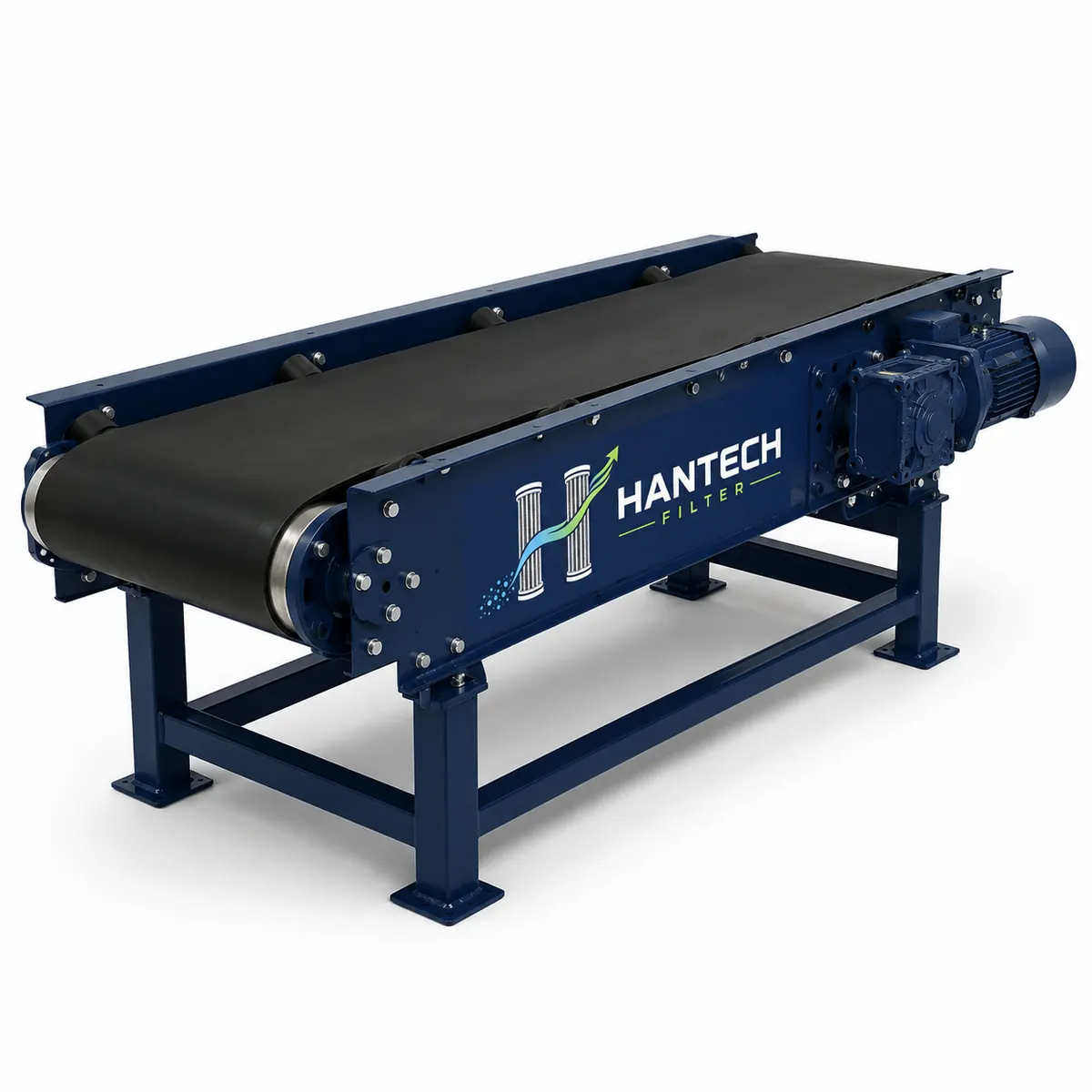
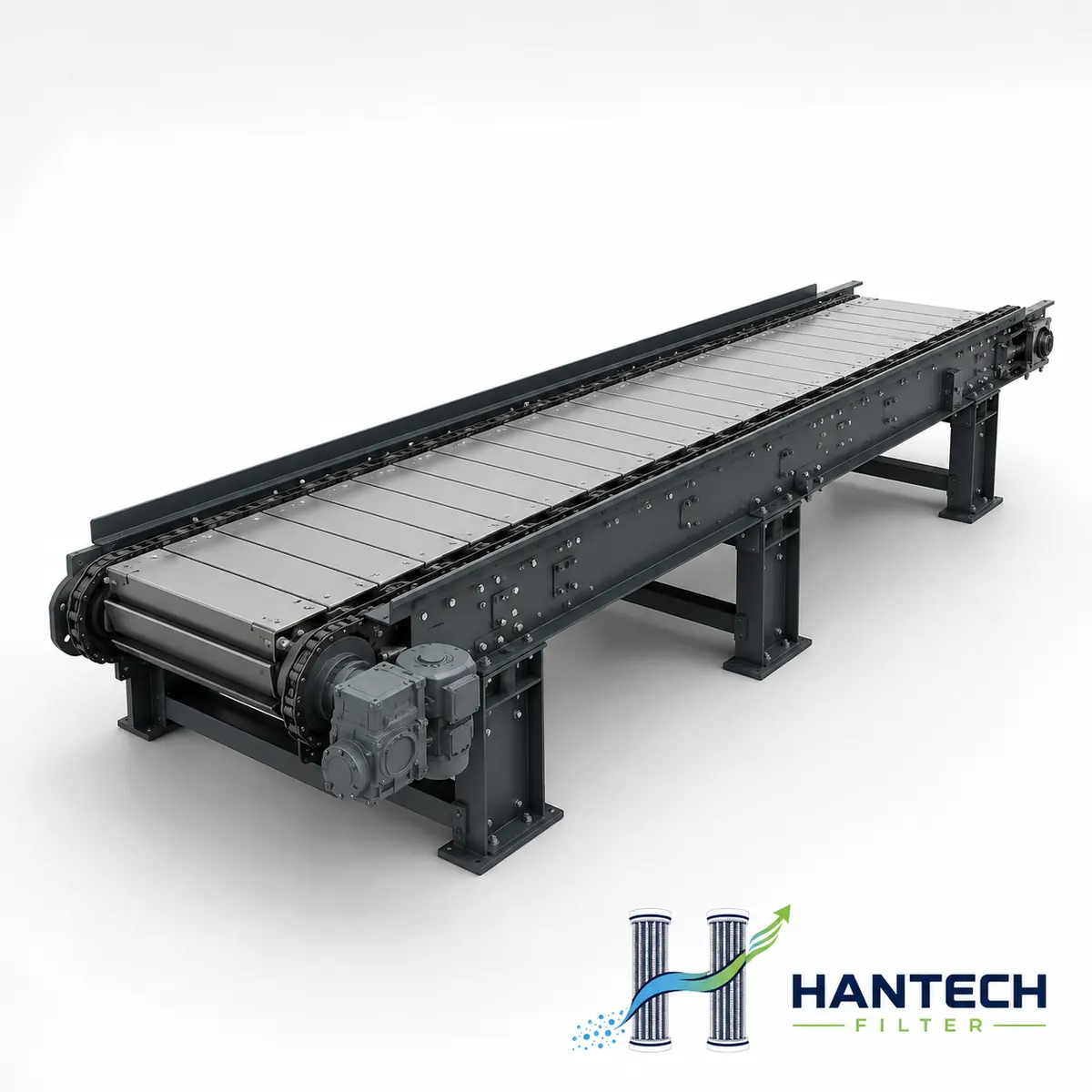
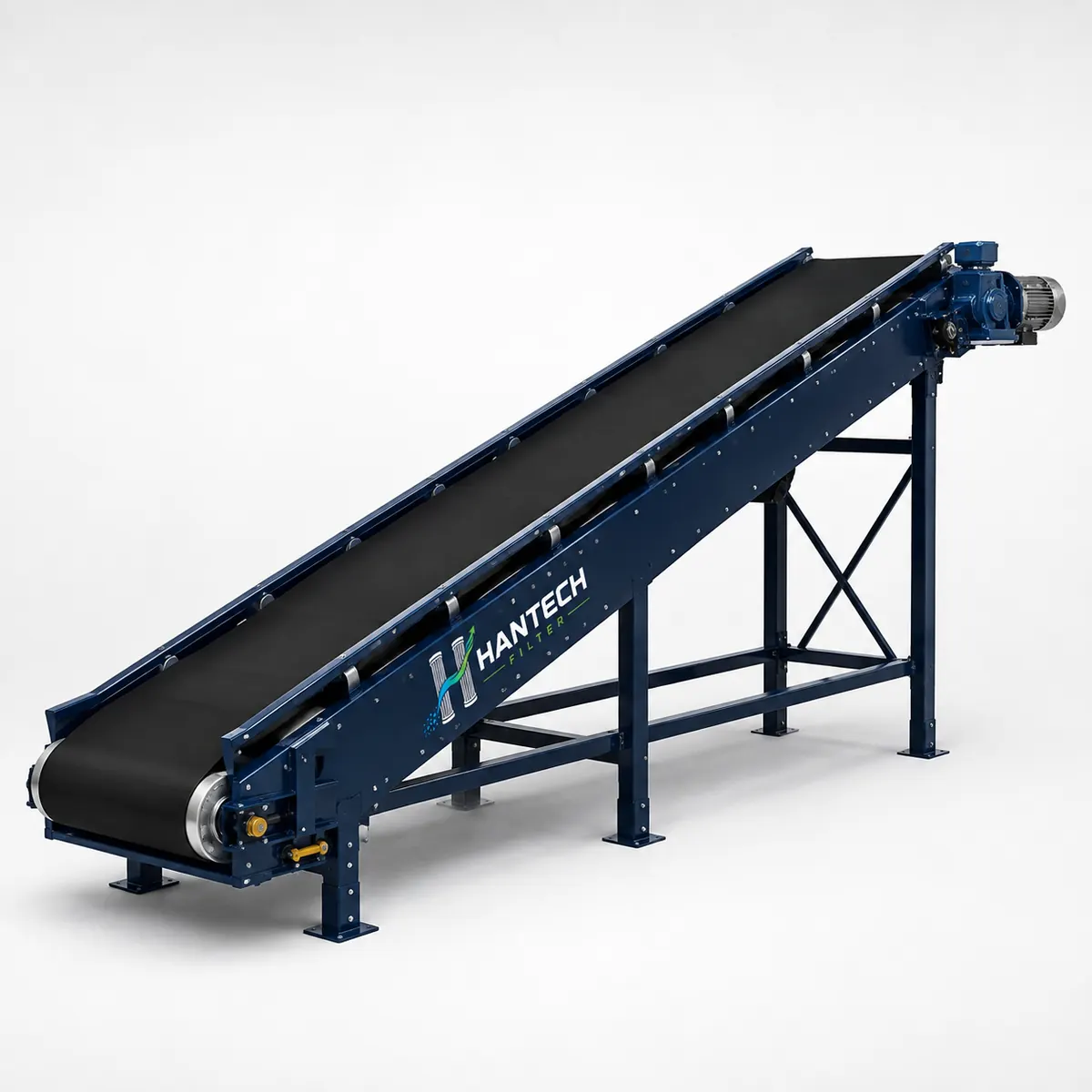
Material name and bulk density, ton/hour capacity, particle size, moisture, temperature, line length, incline/elevation difference, operating duration, and connected equipment are all evaluated together.
Nominal/peak tons per hour, daily operating time, and feed continuity are calculated together.
Bulk density, particle size, moisture, abrasiveness, line length, and elevation difference determine the equipment type.
Motor-gearbox, sensors, guards, service covers, and planned maintenance access are defined from the outset.
Product
Polyester, PP, acrylic, PPS, aramid, P84, PTFE, fiberglass, antistatic, and ePTFE membrane filter bag options.
Explore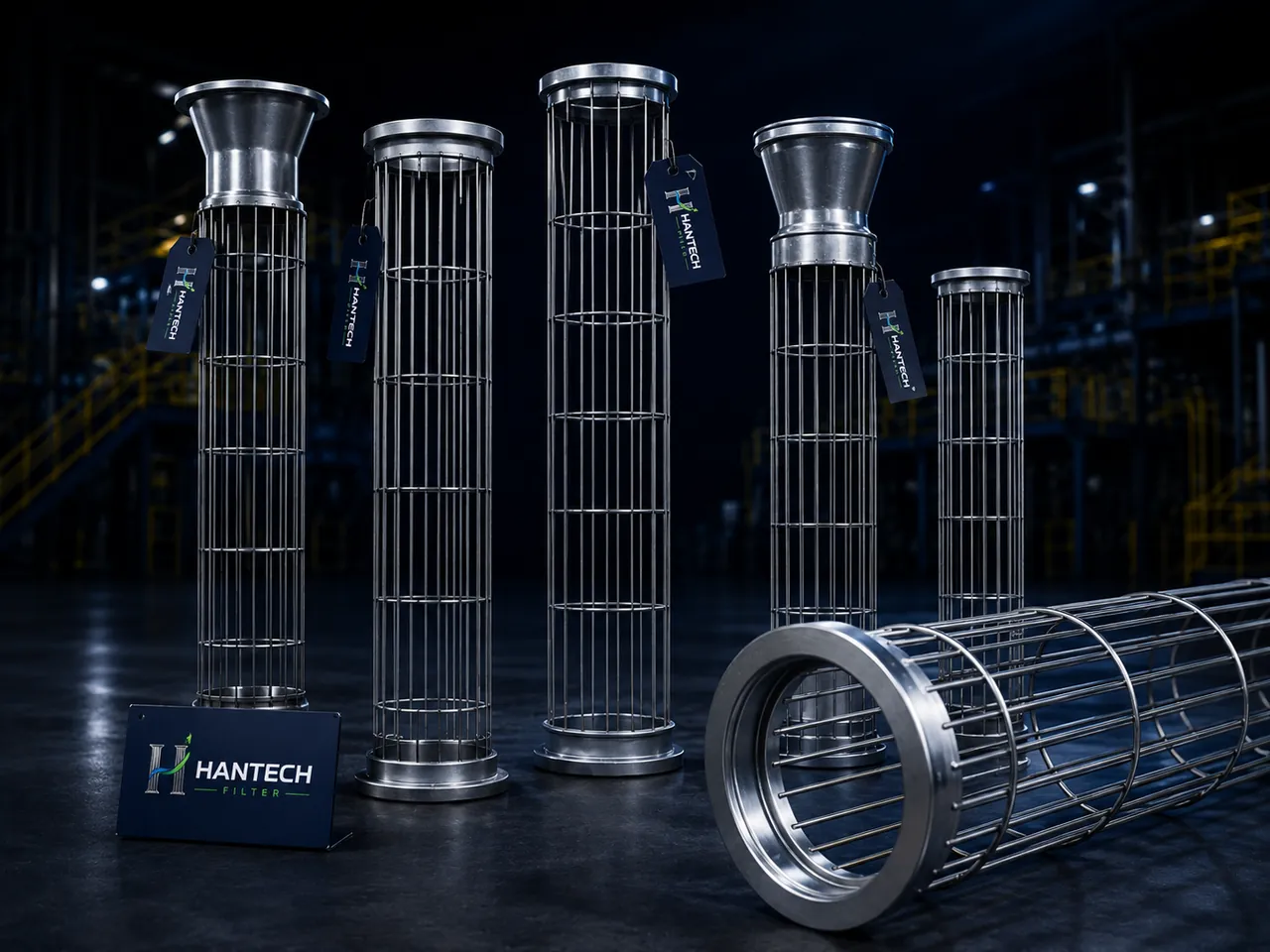 Product
Filter cage, bag cage, cataphoresis-coated cage, silicone-coated cage, SS304 venturi cage, and membrane-compatible cages.
Explore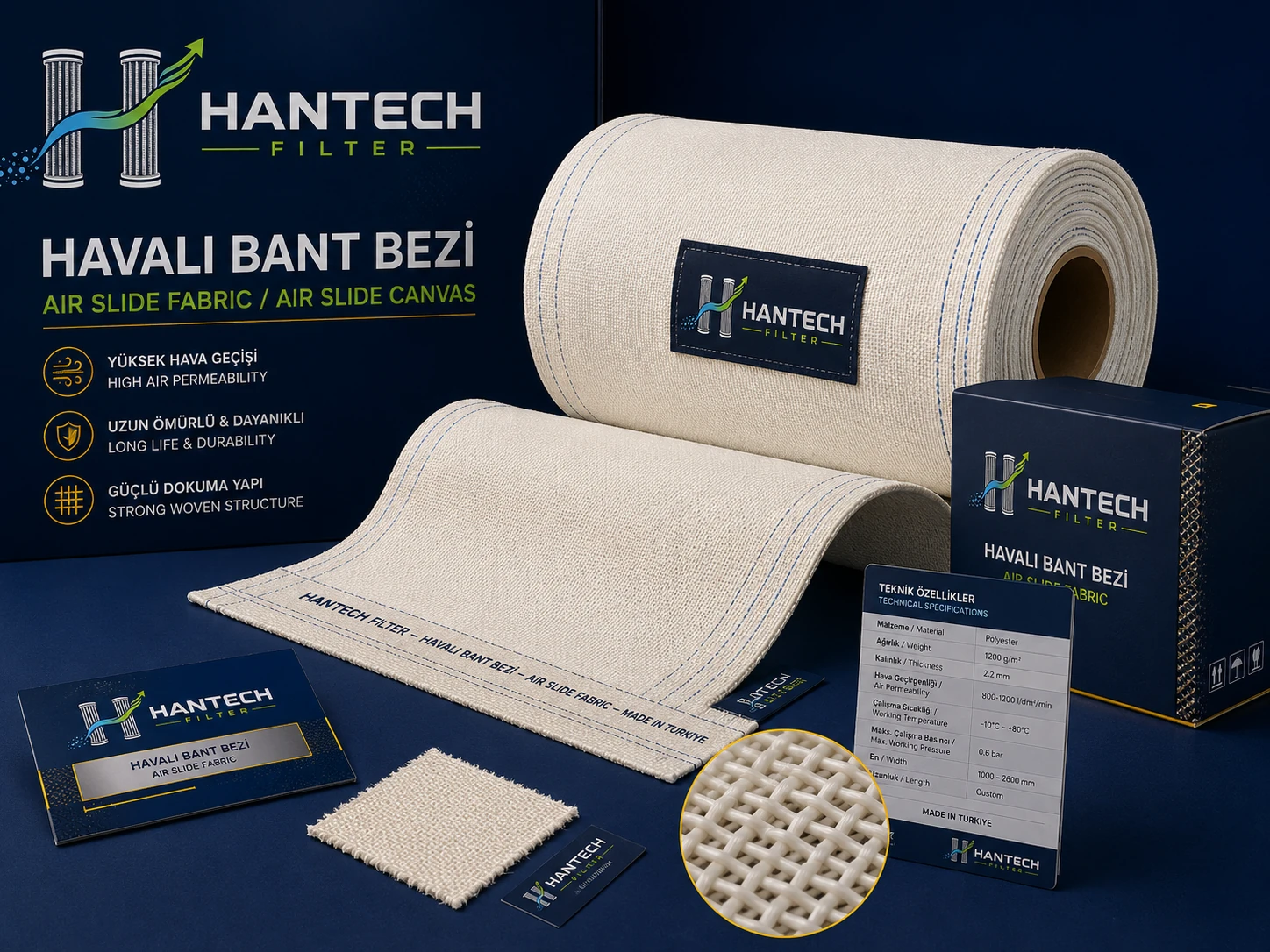 Product
Air slide fabric, air slide cloth, and cement pneumatic conveying fabrics.
Explore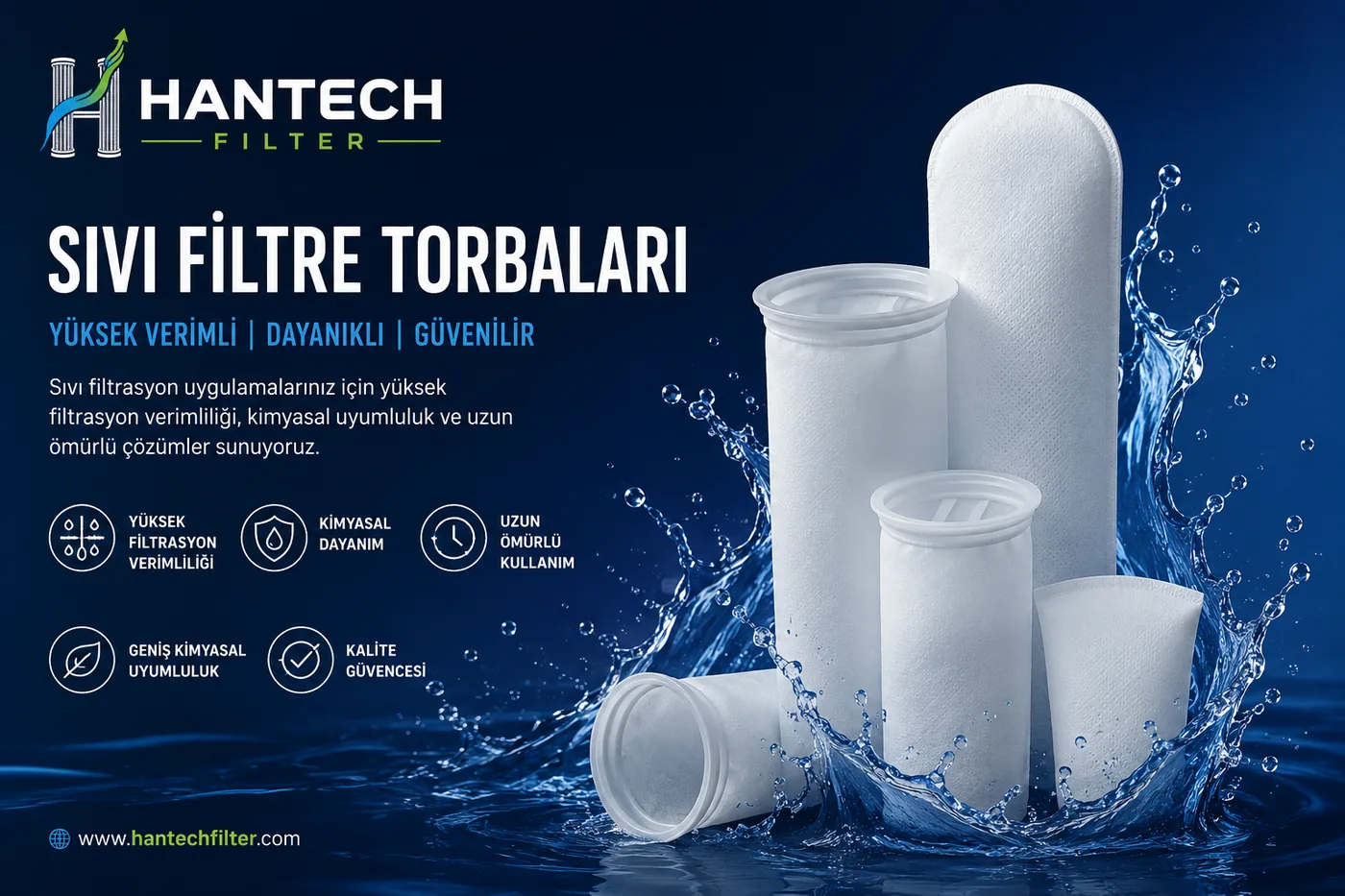 Product
Filter bags for liquid processes, cartridge/bag filter housing selection, and chemically compatible filtration solutions.
ExploreShare your material type, target capacity, line length, elevation difference, and operating regime; we'll clarify the conveying equipment and connected line scope.