 Blog
Blog
Baghouse Insulation: Distinguishing Condensation from Air Leakage
Assess condensation, cold surfaces and air leakage in a baghouse. Use a worked filter-loading example to distinguish insulation work from bag replacement.
Read the article
Quickly find technical guides on filter bags, dust collection systems, air handling, solids conveying, and retrofit topics.
Open the relevant topic to see published guides, product links, and the quote form all on one page.
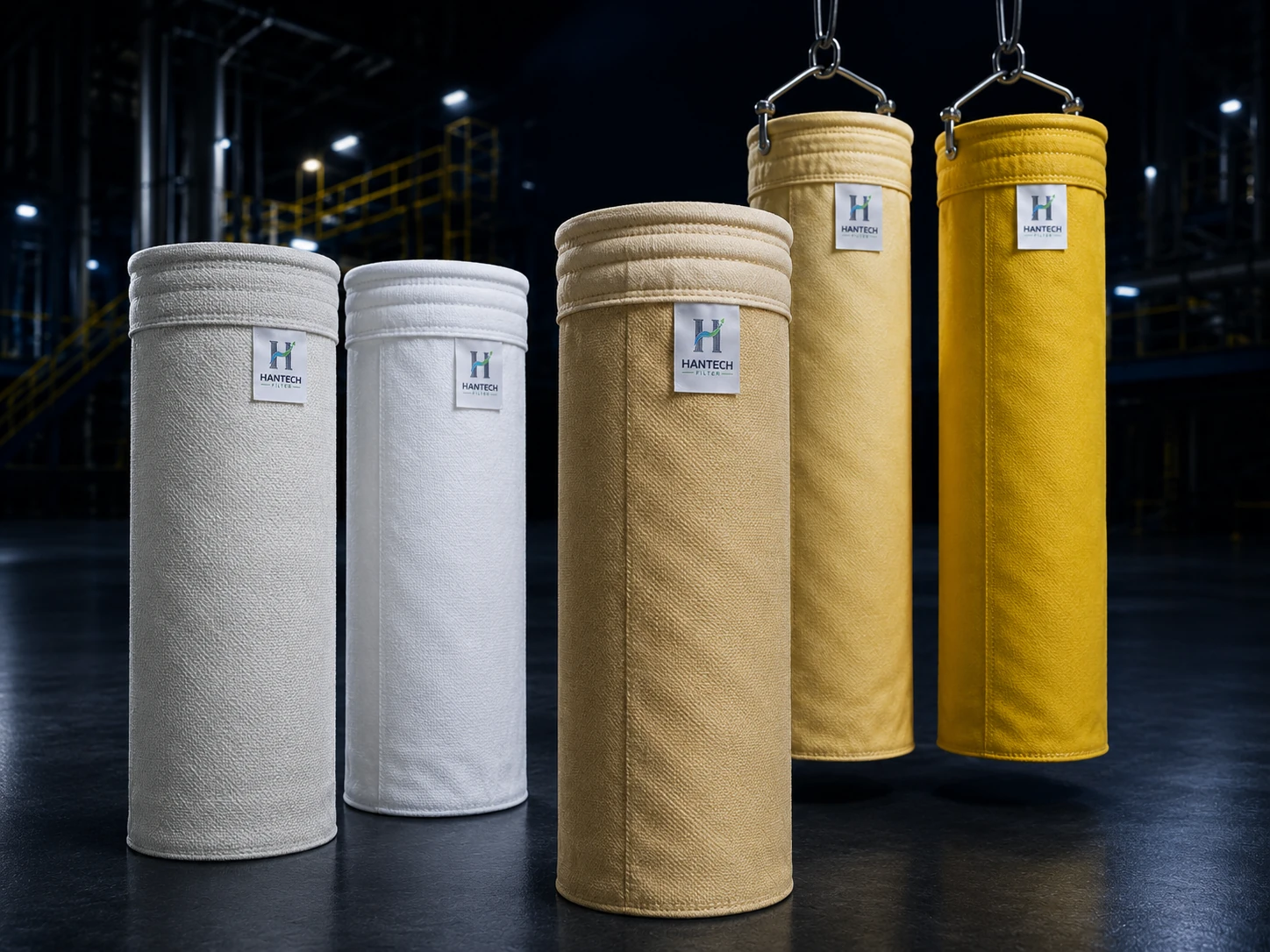
Filter bag selection based on micron rating, temperature, SOx/NOx, moisture, PTFE membrane, cage, and pulse compatibility.
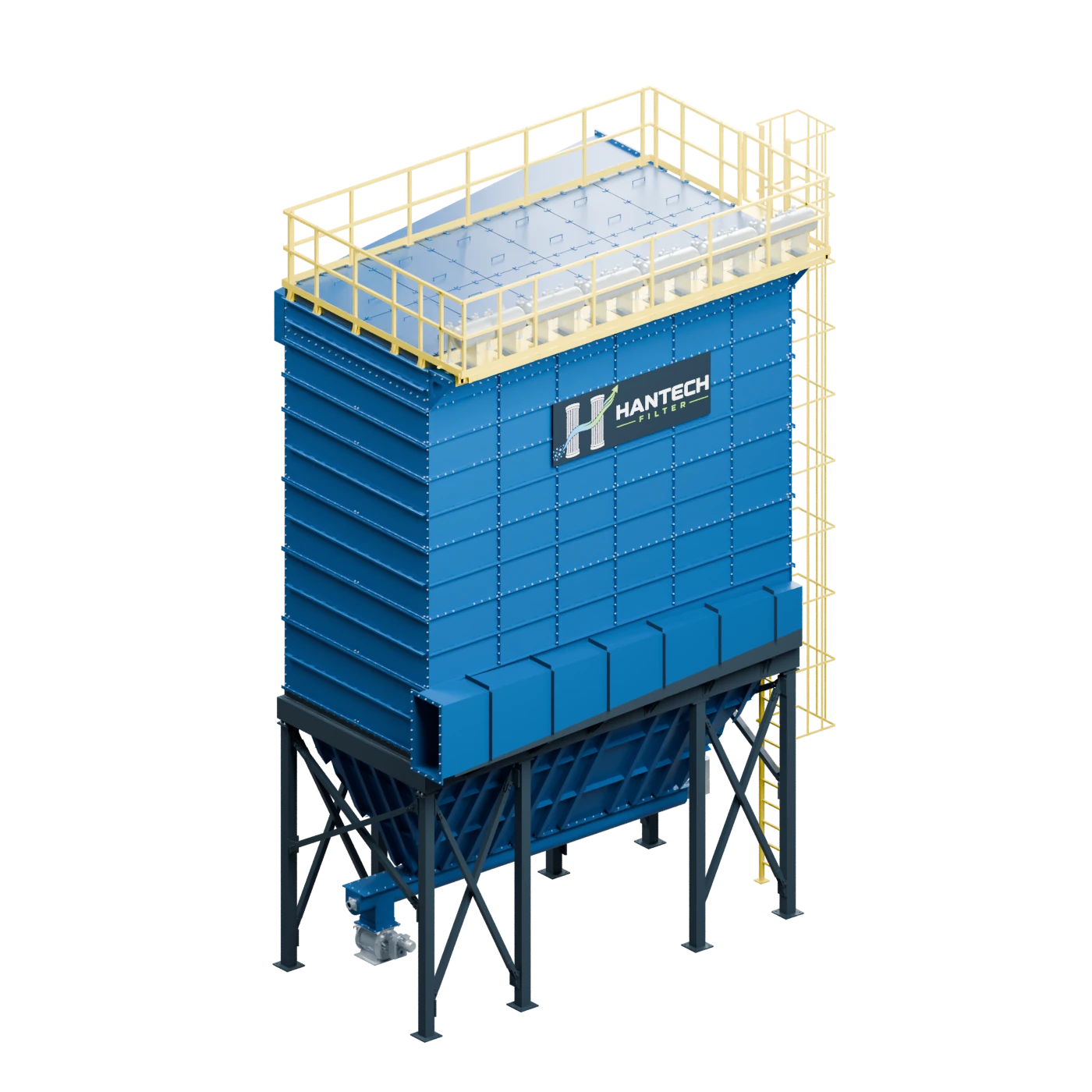
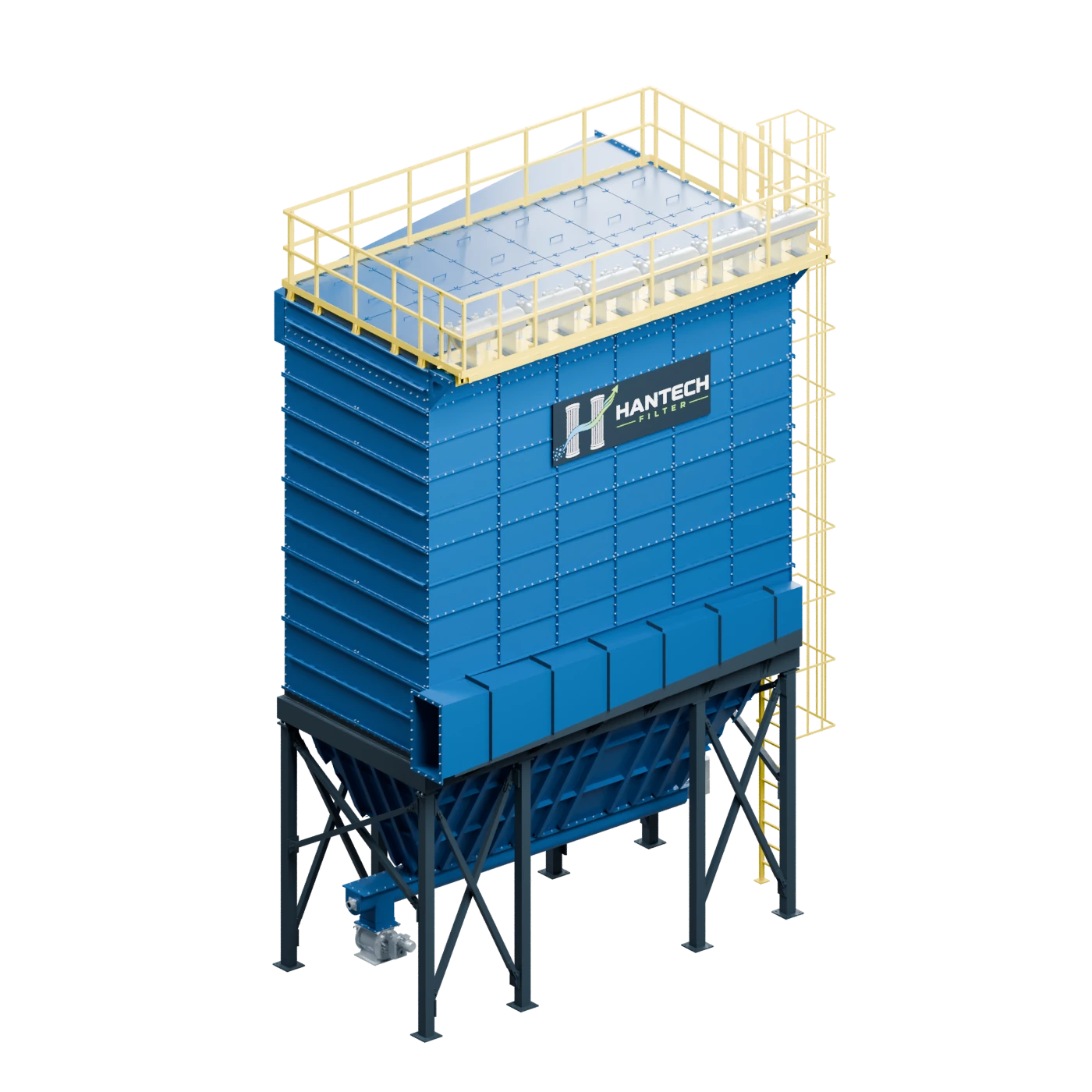
A system-level approach covering the baghouse filter, dust collector, cyclone separator, pulse-jet cleaning, and hopper discharge.
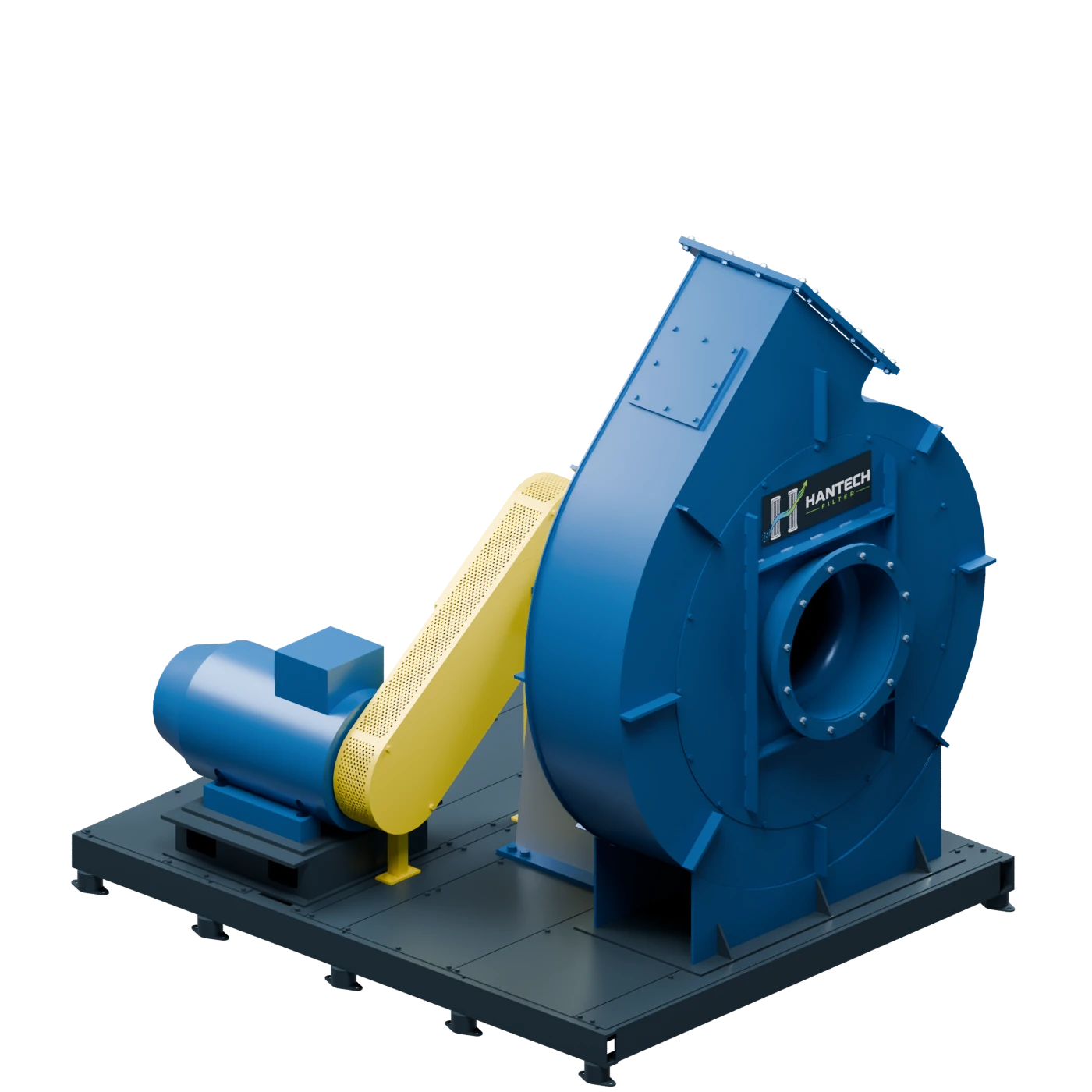
Decisions on flow rate, static pressure, duct losses, fan operating point, balancing, and energy consumption.
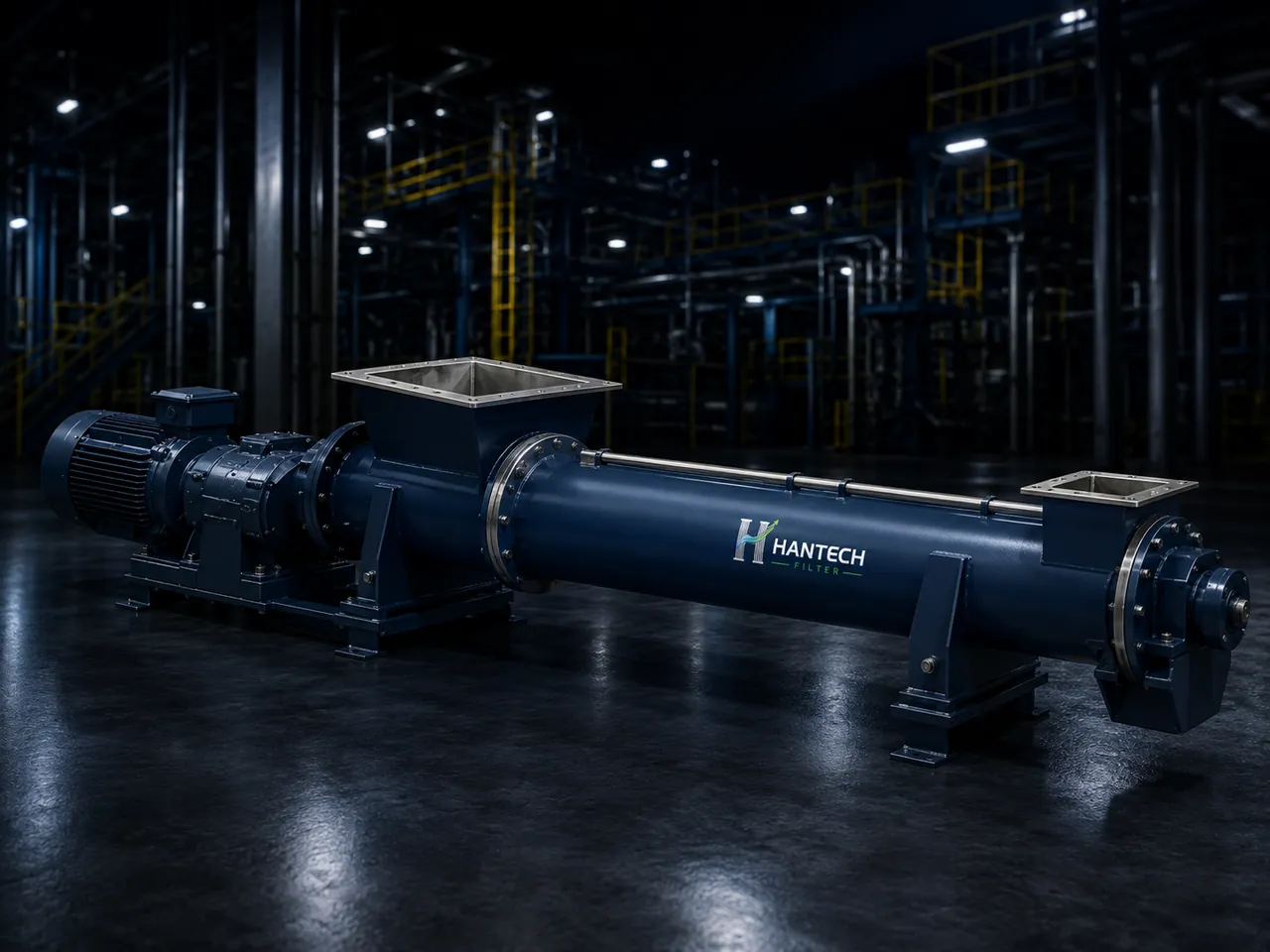
Rotary valve, screw conveyor, air slide fabric, silo equipment, and particle/moisture behavior.
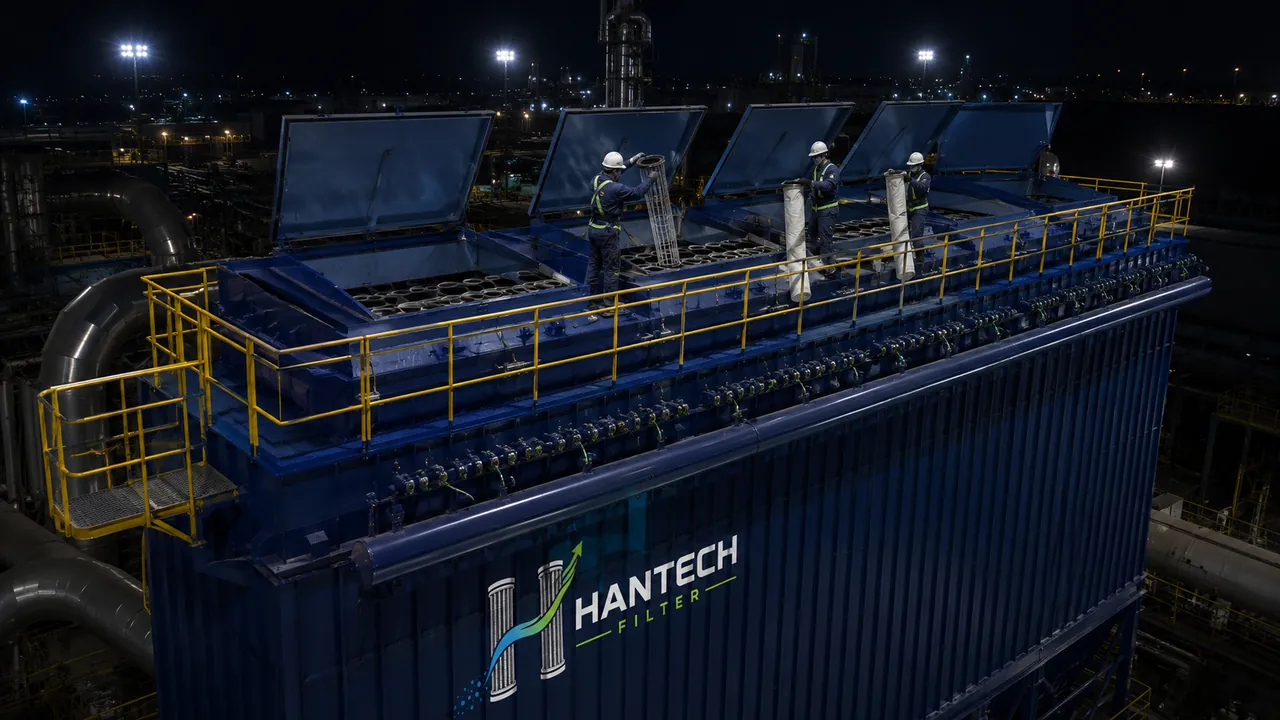
Differential pressure, filter area, A/C ratio, fan retrofit, and site performance measurement.
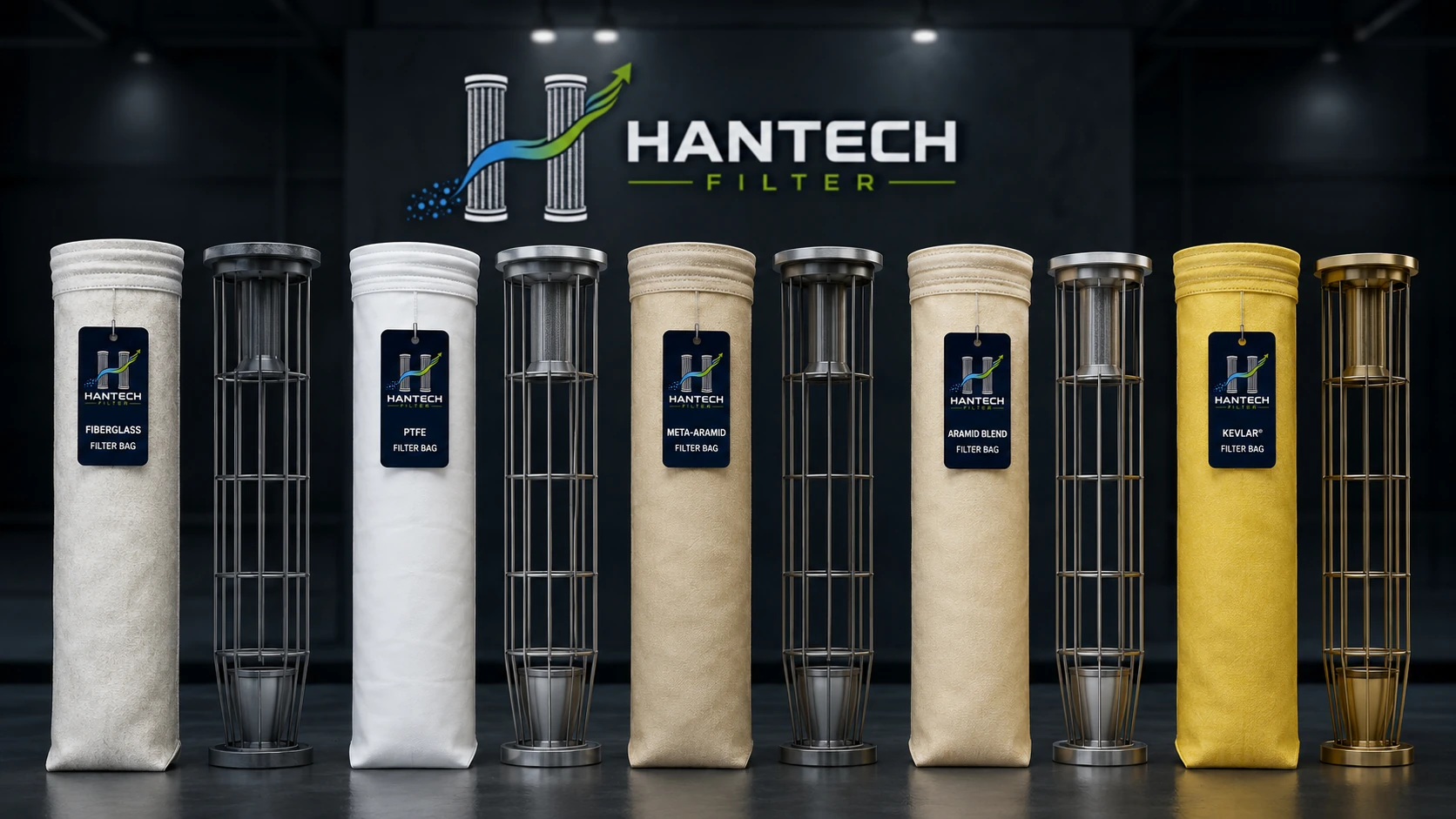
Technical tables, resistance matrices, specification checklists, and engineering commentary.
Curated technical articles that make site decisions easier.
Blog
Assess condensation, cold surfaces and air leakage in a baghouse. Use a worked filter-loading example to distinguish insulation work from bag replacement.
Read the article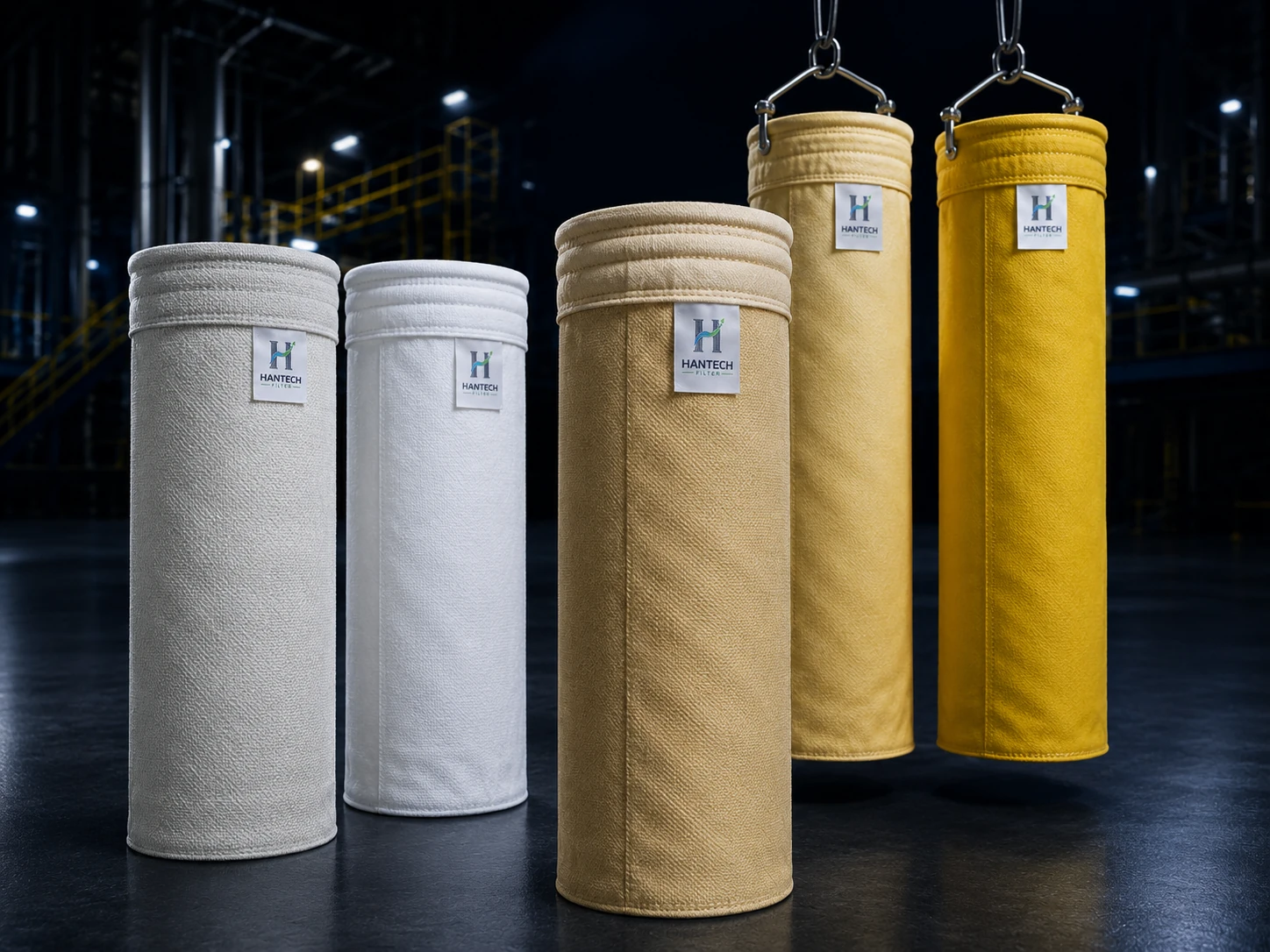 Blog
Blog
Select bags separately for sand preparation, shakeout, blasting and melting duties. Includes net-area calculations, a failure matrix and an RFQ checklist.
Read the article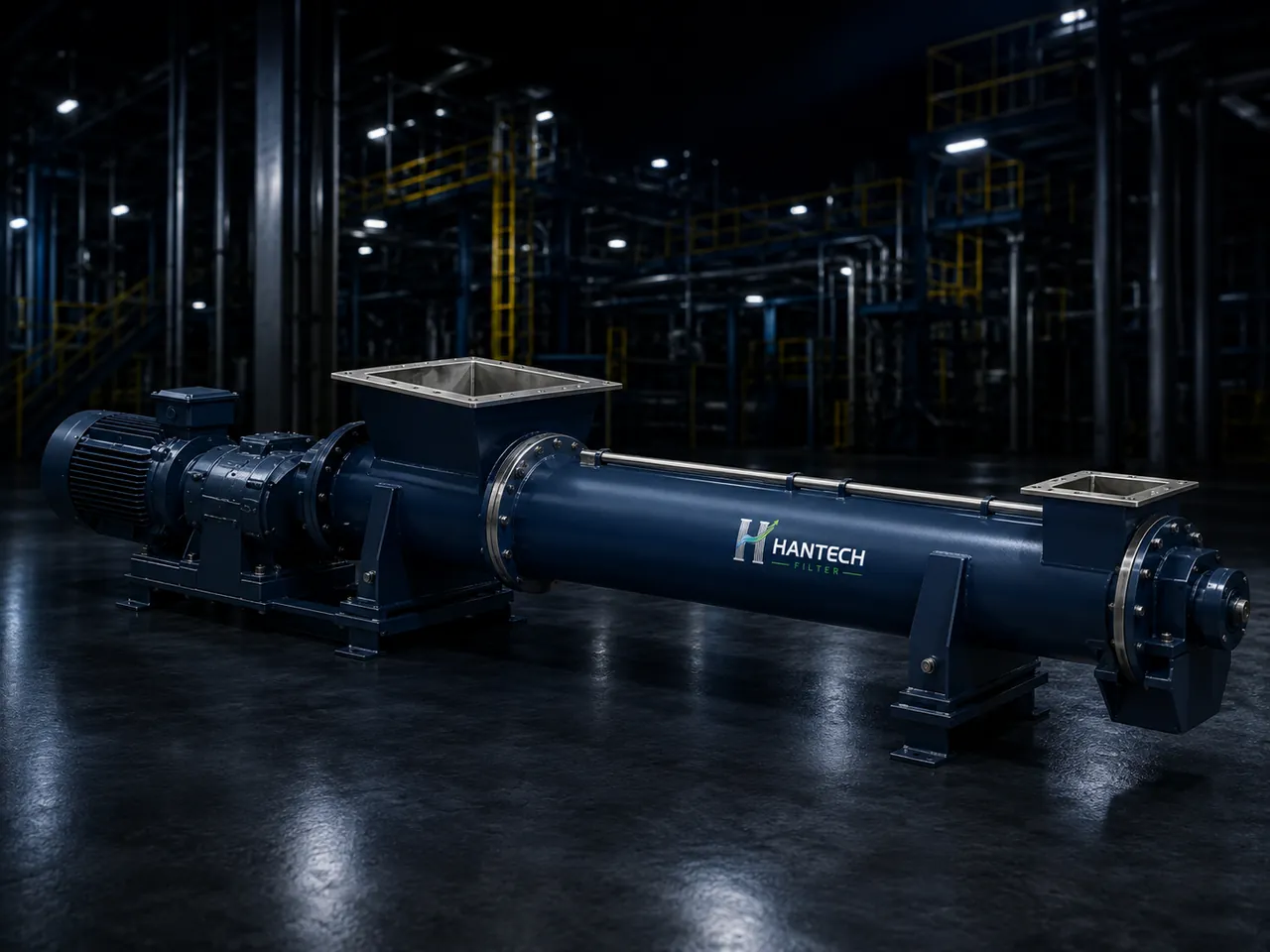 Blog
Blog
Work through screw capacity in m³/h and t/h. Interpret fill, bulk density, inclination and feeder duty correctly, and separate capacity from motor sizing.
Read the article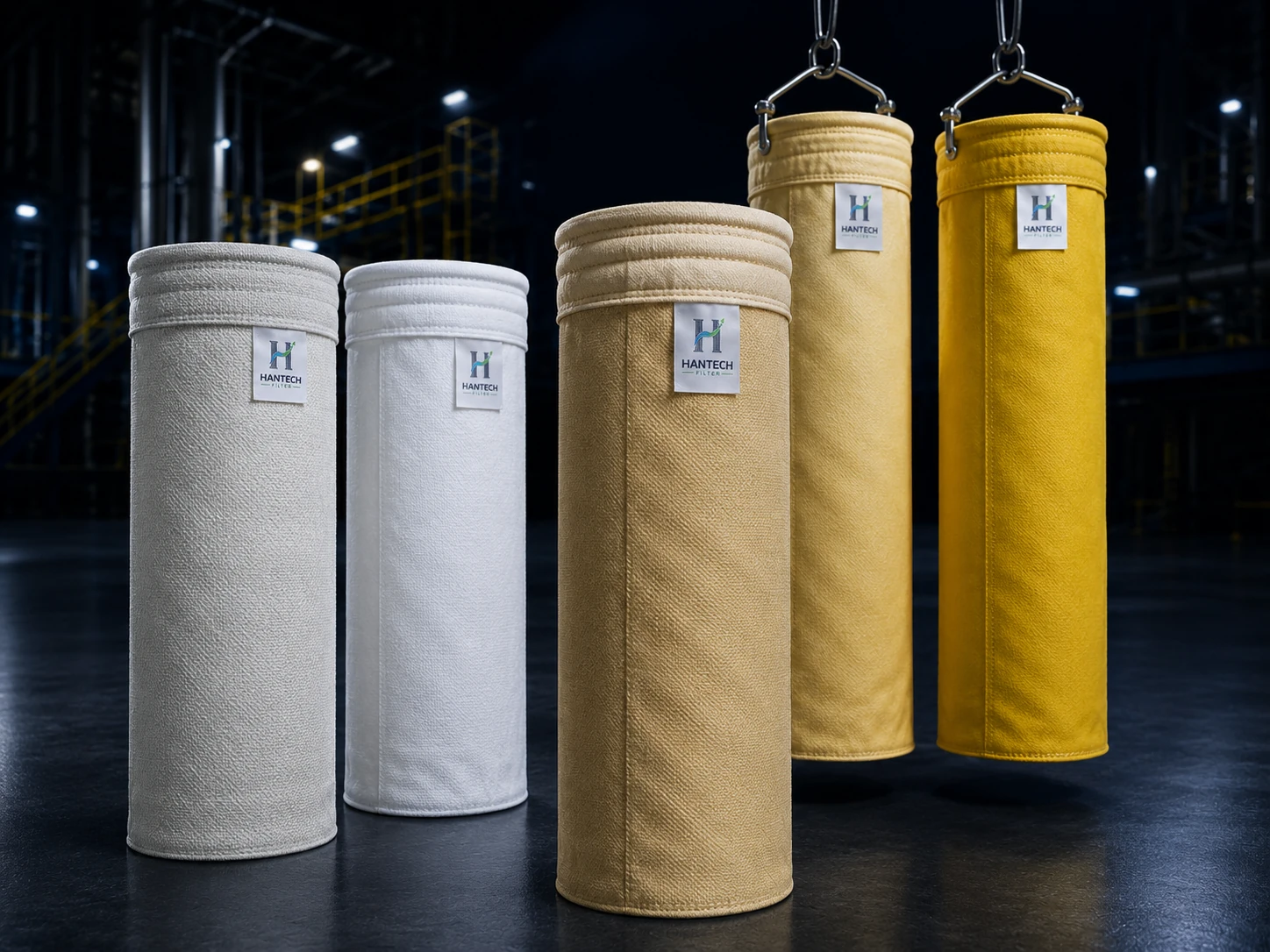 Blog
Blog
Choose ceramic plant filter bags by separating raw-material, press, spray-dryer and kiln duties. Assess PPS suitability, moisture and filtration area.
Read the article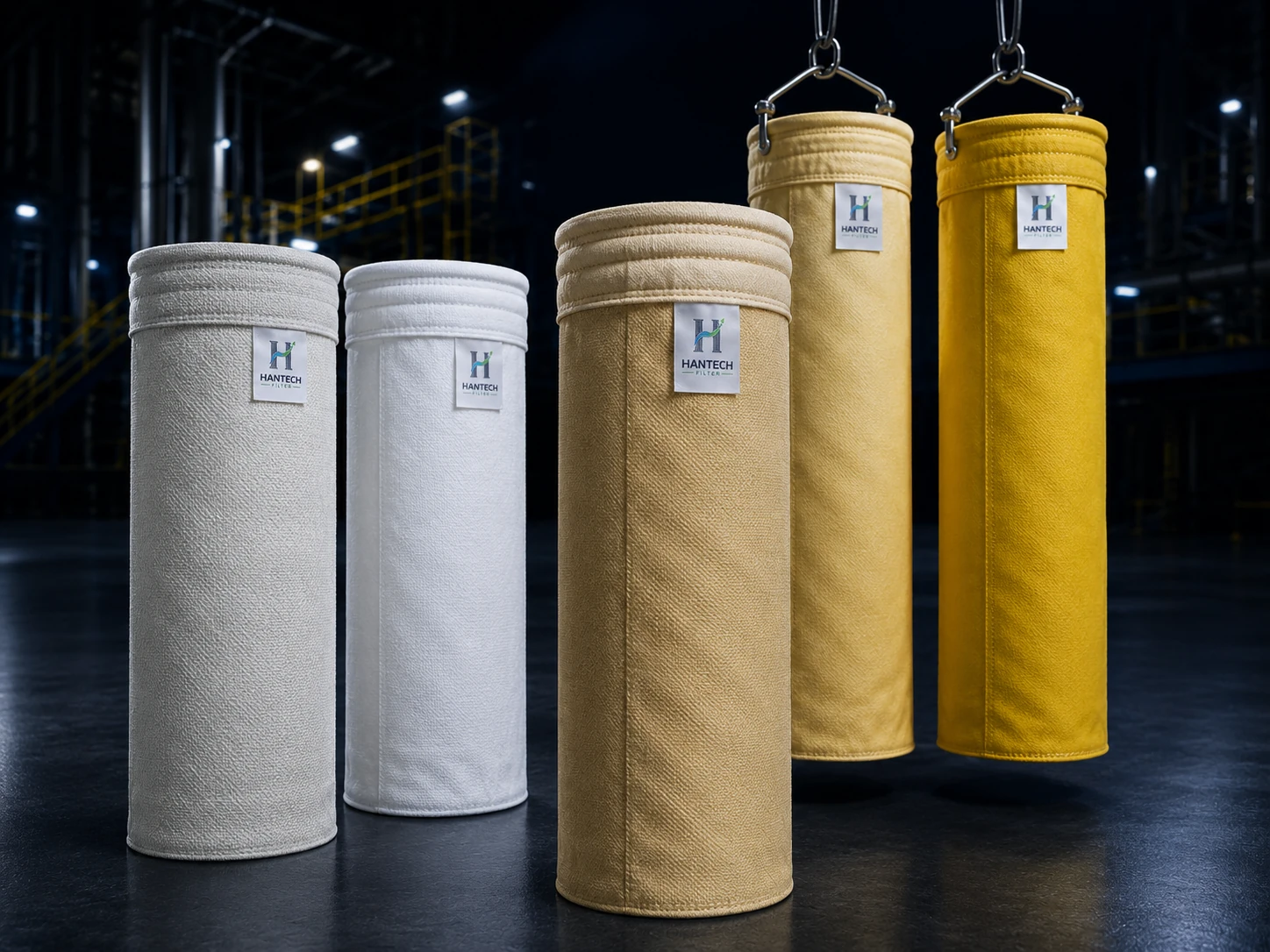 Blog
Blog
Separate dry lead oxide dust from acid mist in lead-acid battery manufacturing. Assess PPS suitability, dust loading, sealing and RFQ requirements.
Read the article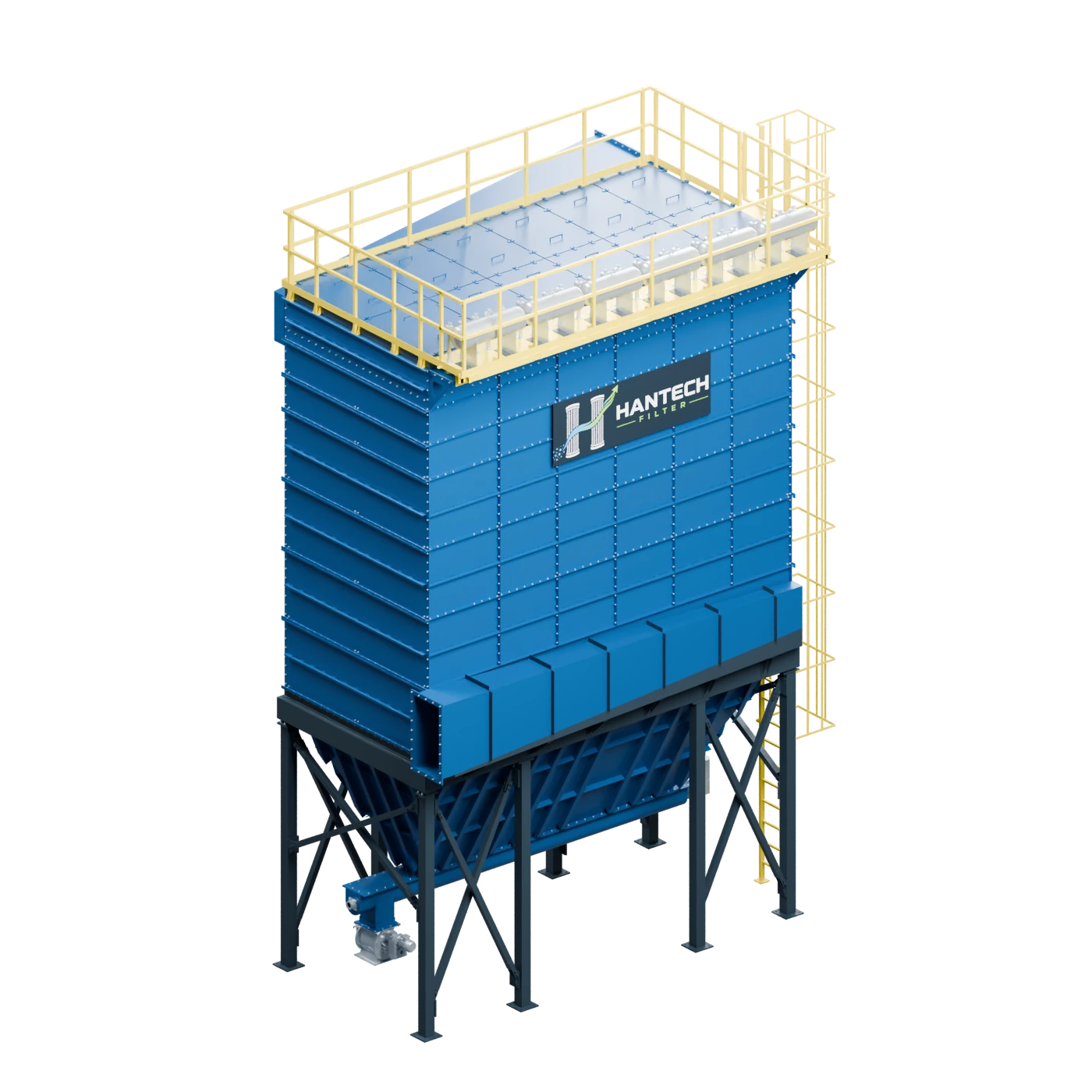 Blog
Blog
Assess PPS bags for coal and biomass boilers using fuel, oxidation, moisture and actual flow data. Work through a net filtration-area example.
Read the article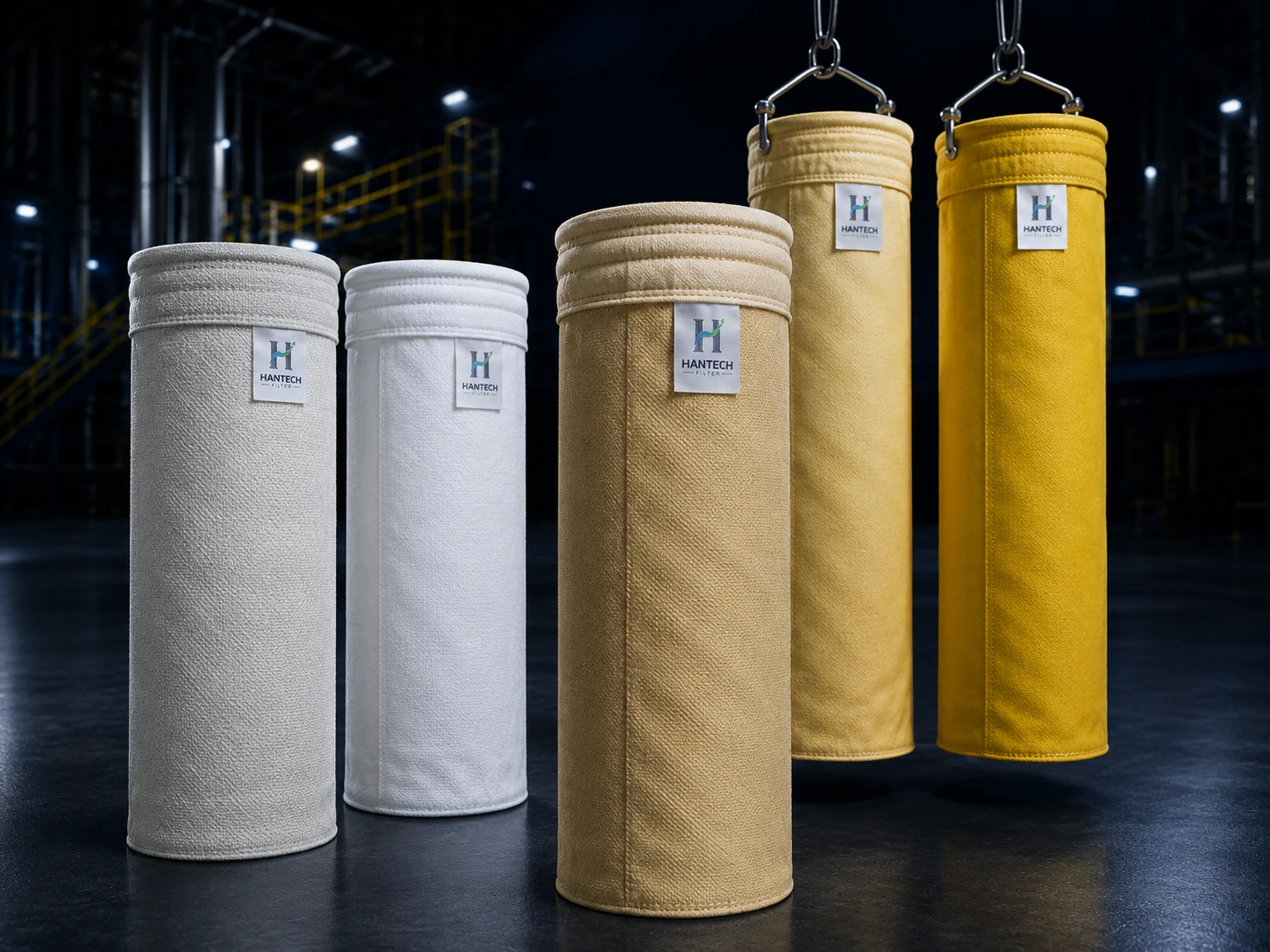 Blog
Blog
Define your asphalt plant filter bag specification using cleaning method, bag dimensions, support compatibility and operating data.
Read the article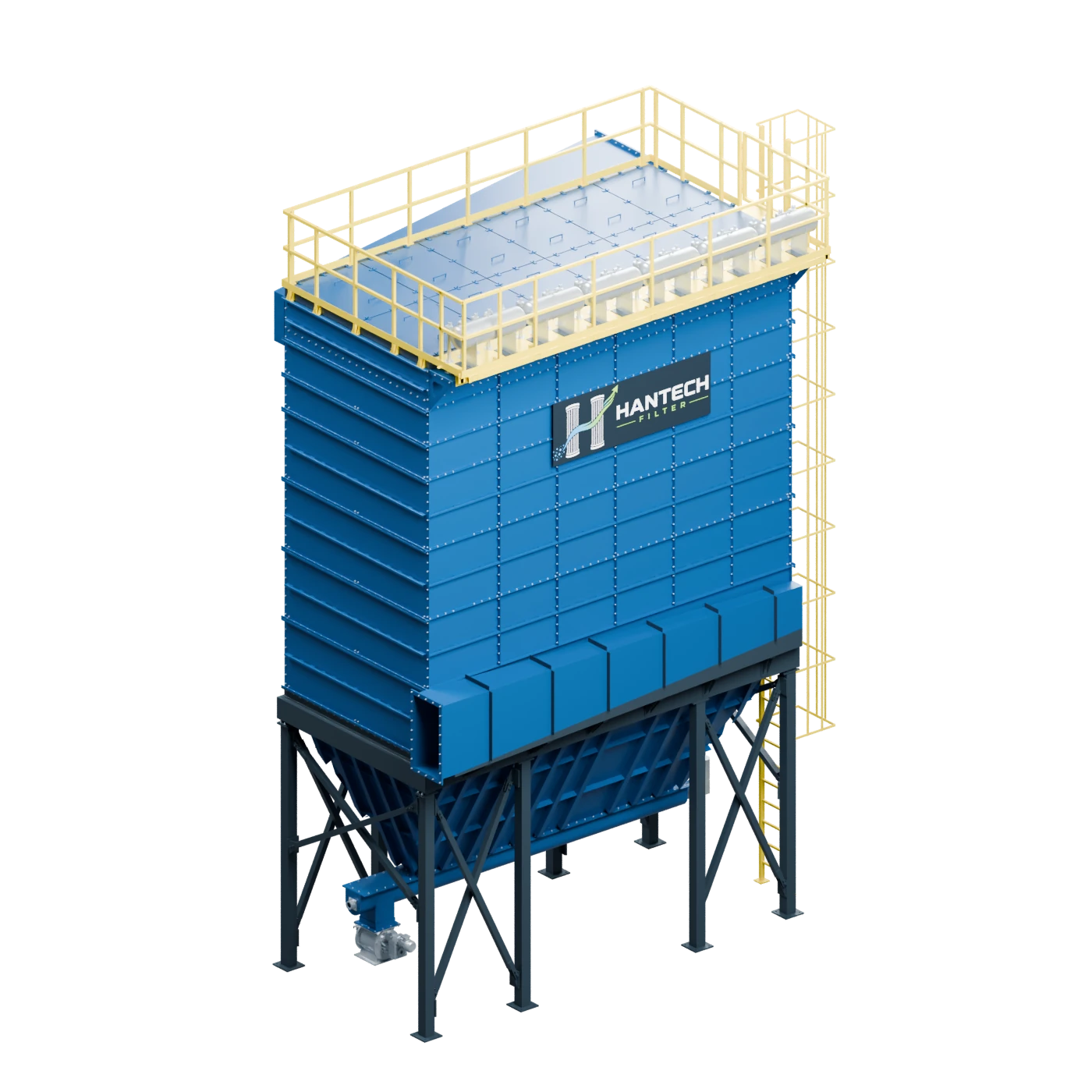 Blog
Blog
A worked technical guide to asphalt filter bag selection using temperature, moisture, gas chemistry, actual flow and air-to-cloth ratio.
Read the article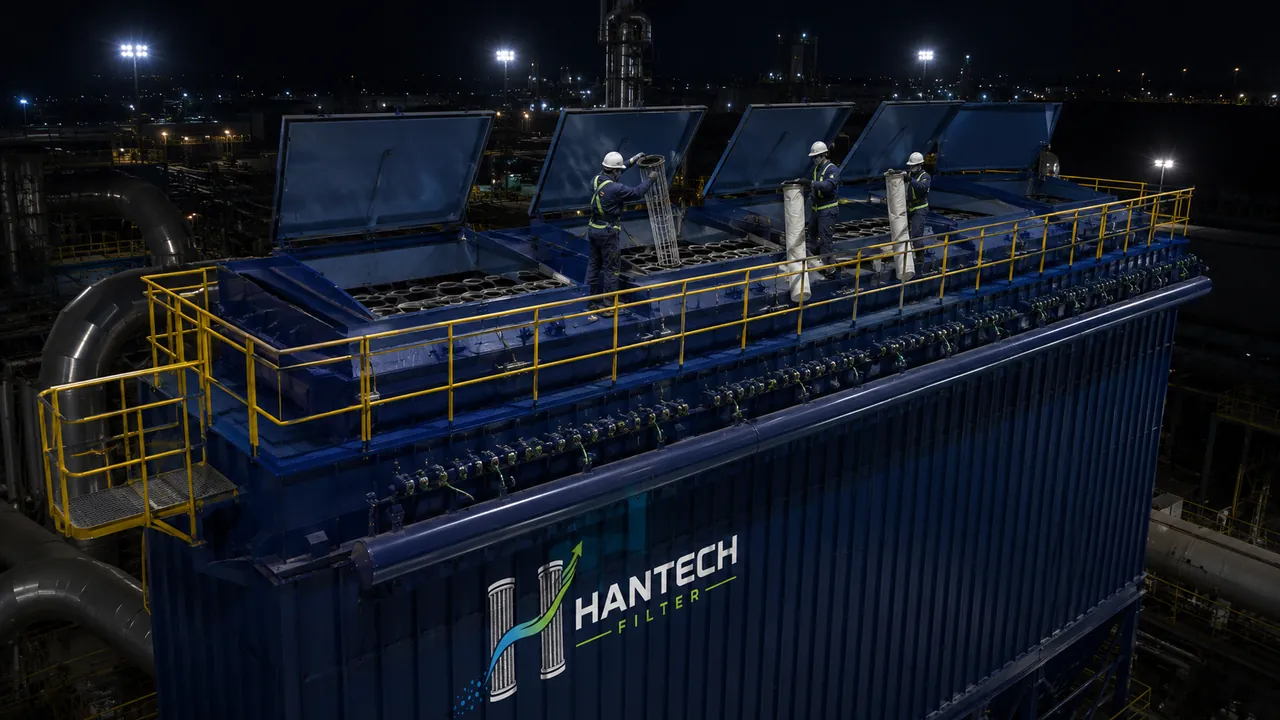 Blog
Blog
Distinguish blinding, high differential pressure, holes and heat damage in asphalt filter bags using measurements and a failure map.
Read the article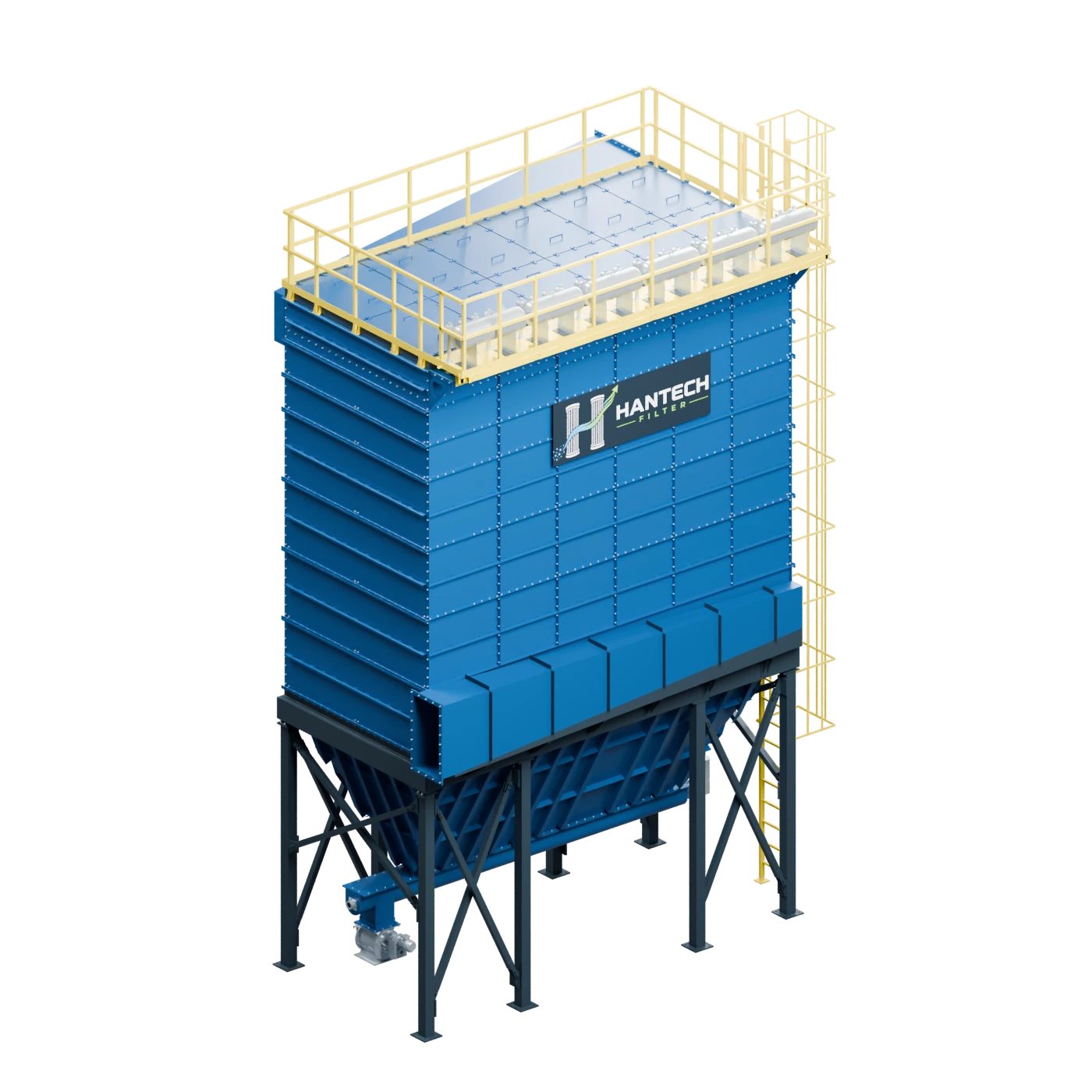 Blog
Blog
Can velocity is the upward gas velocity through the net housing cross-section in a jet-pulse baghouse. It must not be confused with the A/C (air-to-cloth) ratio; high can velocity can carry dislodged dust back to the bags through re-entrainment. This article explains the formula, net-area calculation, a solved example, and the design impact.
Read the article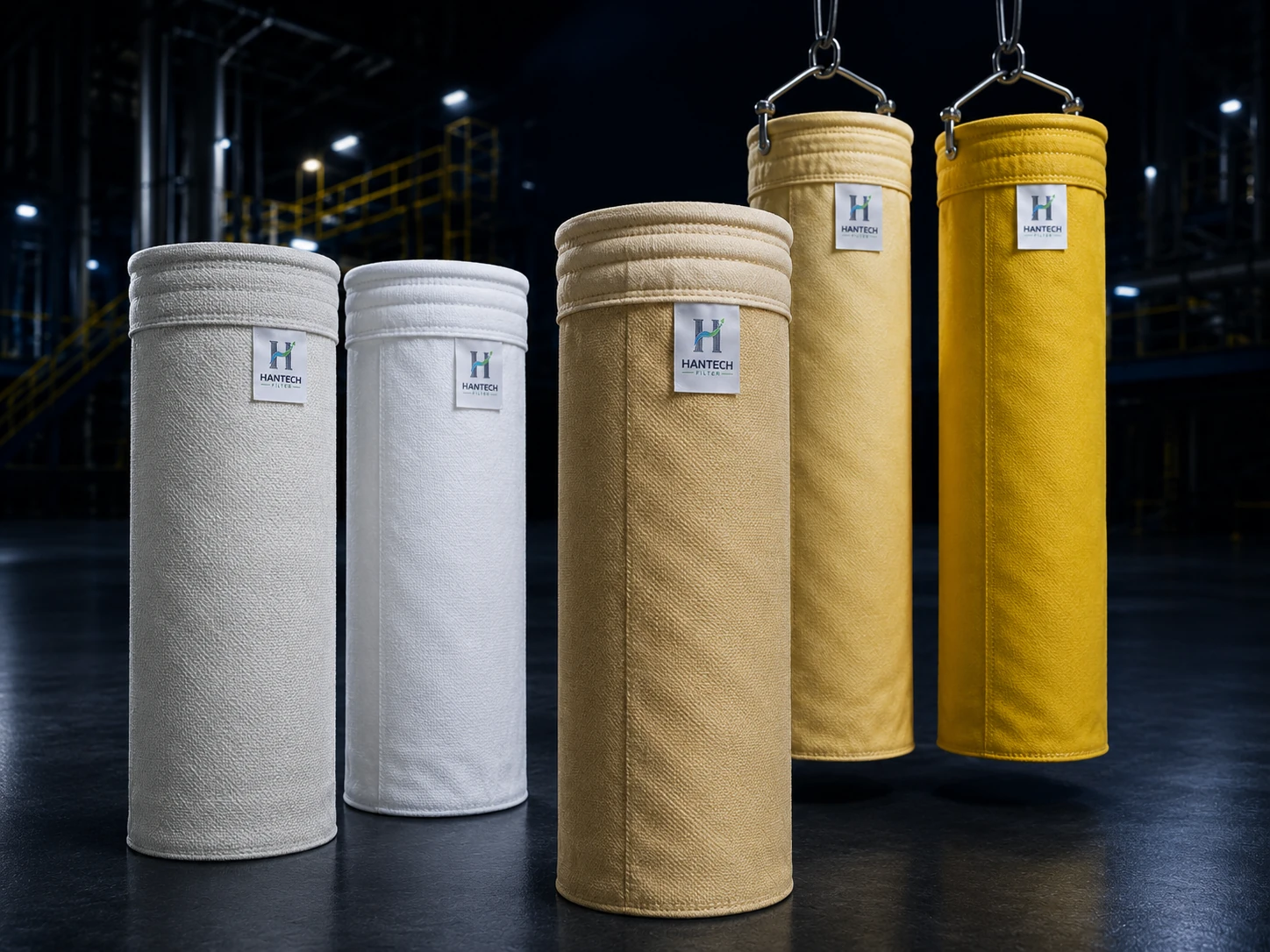 Blog
Blog
Filter bag sizing is more than the width and length of a used bag. Measure the bag, cage, snap-band and tube sheet together to create a production-ready technical data set.
Read the article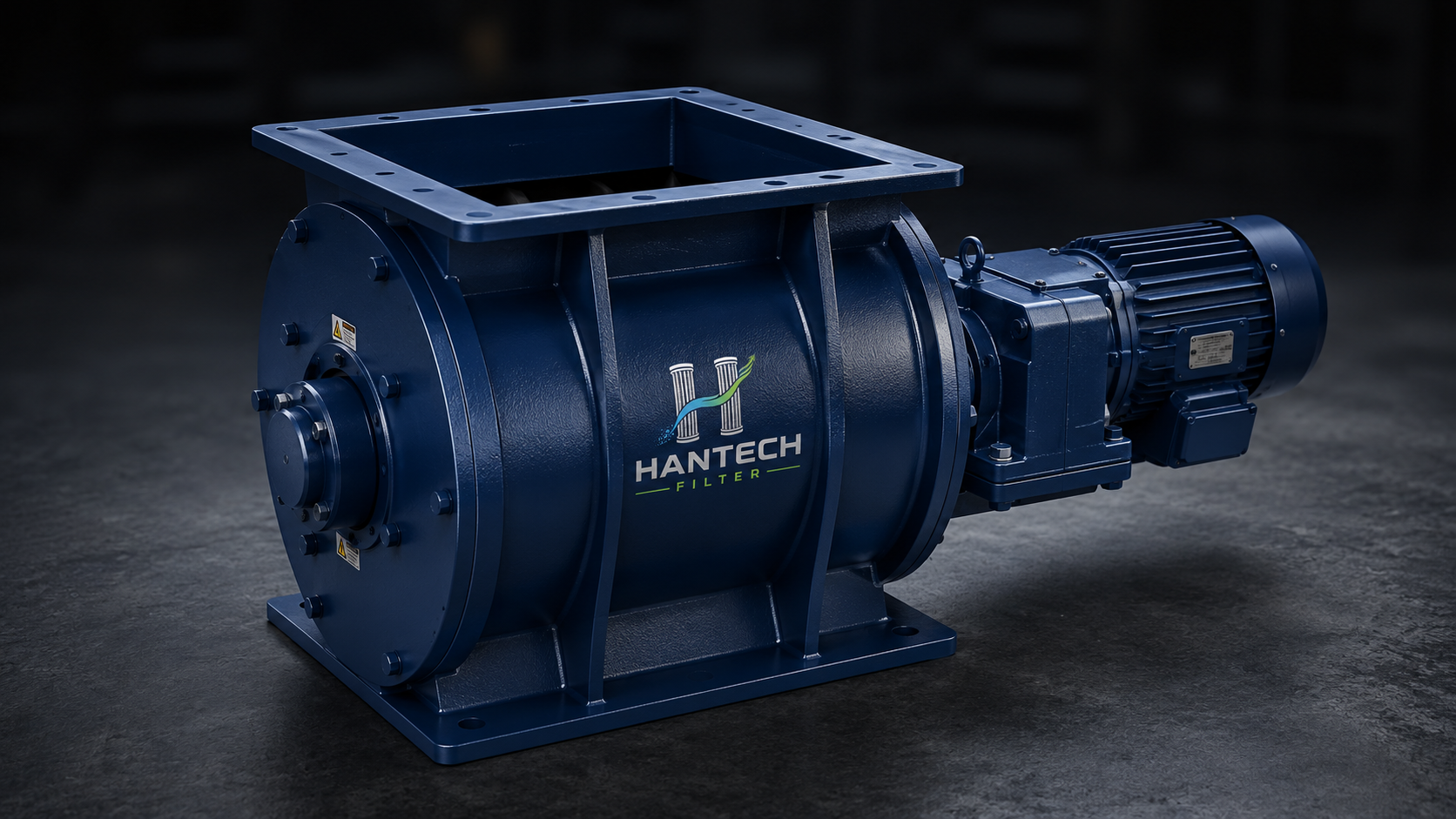 Blog
Blog
Rotary valve capacity is not selected by body diameter alone. Rotor pocket volume, speed, fill factor, bulk density, differential pressure and air leakage must be evaluated together.
Read the article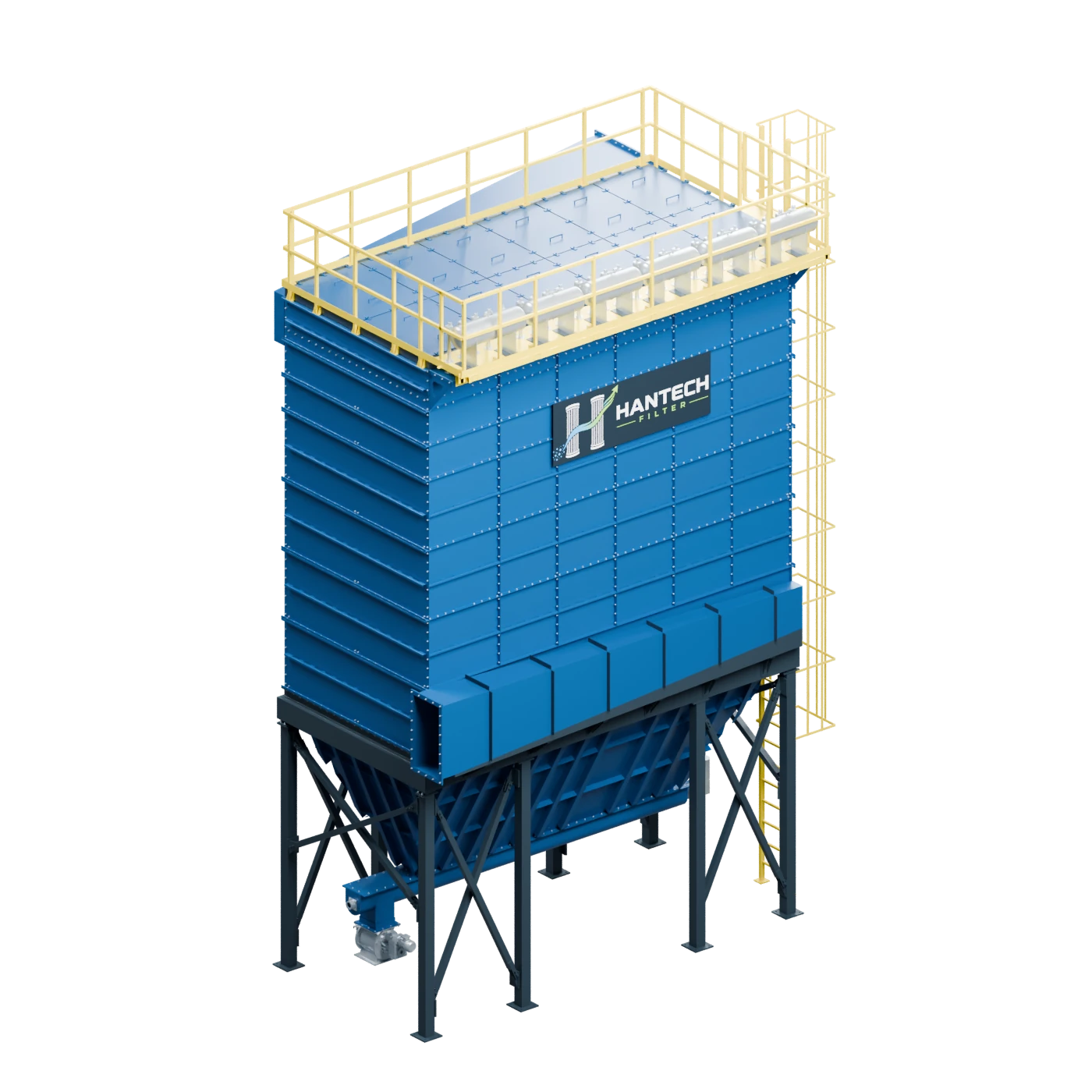 Blog
Blog
Baghouse filter systems pass dust-laden air through filter bags in industrial processes to provide clean air and controlled dust discharge.
Read the article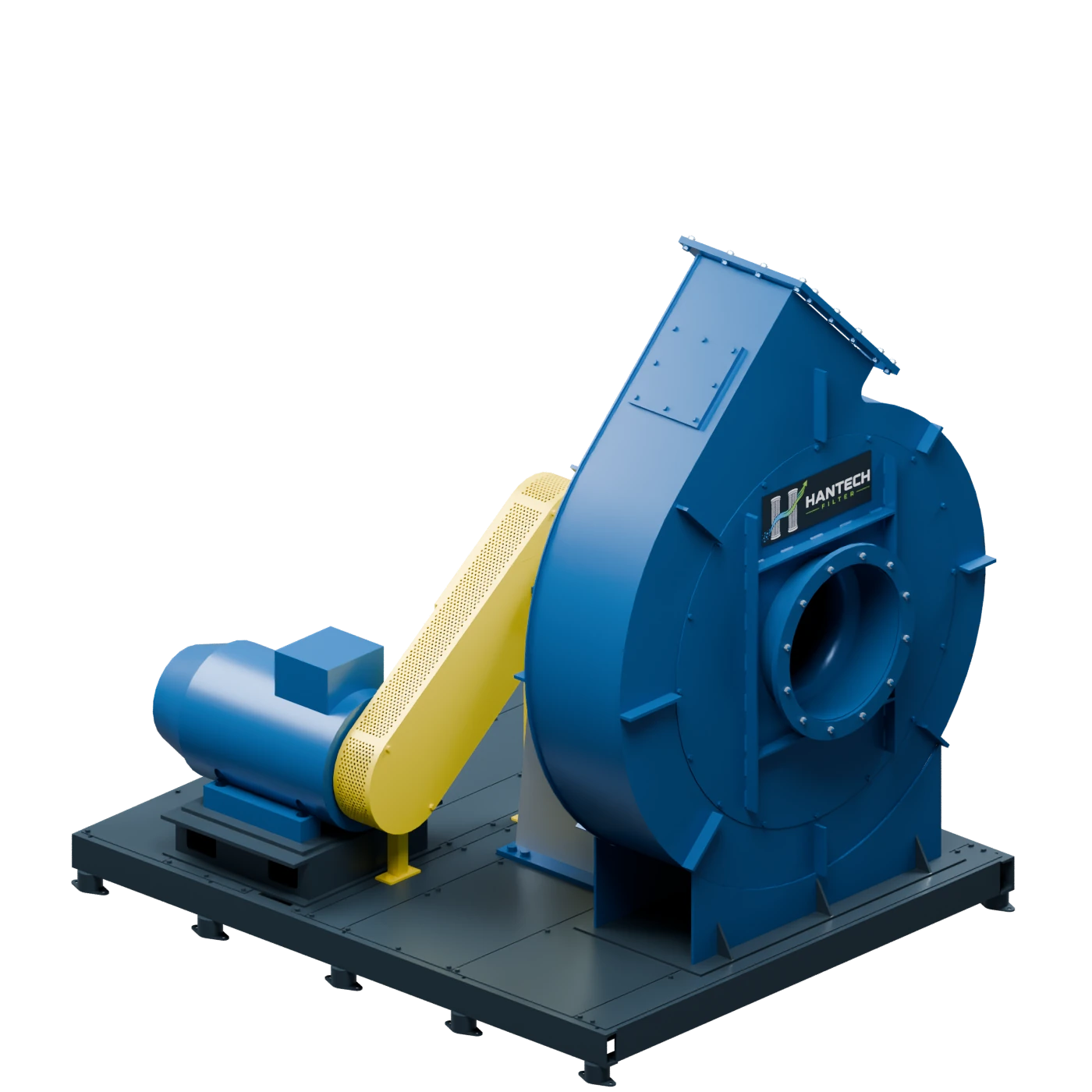 Blog
Blog
A dust bag or filter bag is the filter bag itself; a bag filter is the baghouse housing, while a dust collector means the complete dust collection solution with fan, ductwork, hopper, and cleaning system.
Read the article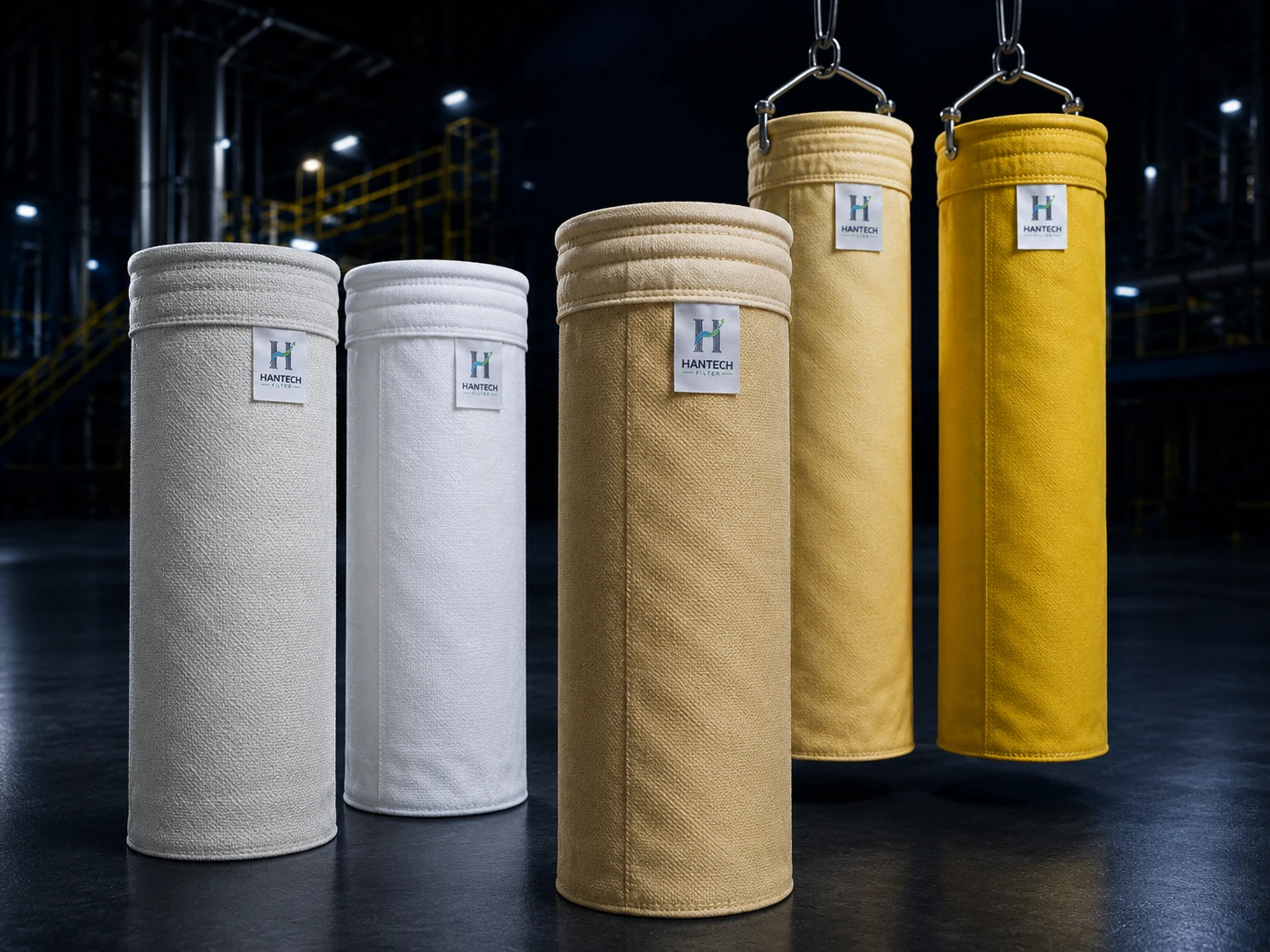 Blog
Blog
The correct filter bag selection must be made based on temperature, humidity, dust characteristics, chemical composition, filtration velocity, and the cleaning system.
Read the article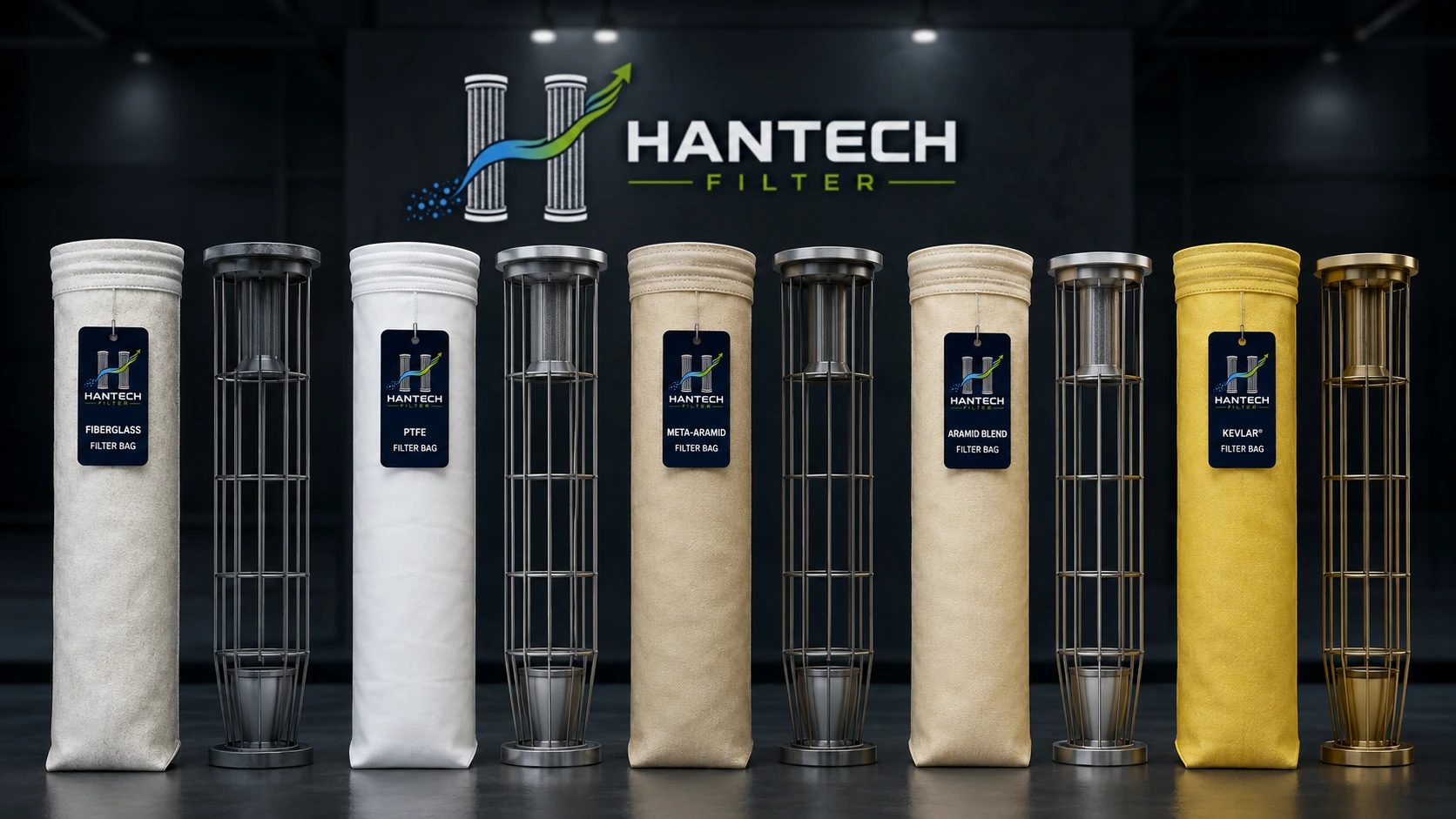 Blog
Blog
A PTFE membrane is considered in processes where fine dust penetrates the felt, a low emission target is required, and more stable surface filtration is desired. A membrane alone does not imply a 240°C temperature class; the limit is set by the carrier media and the overall bag construction.
Read the article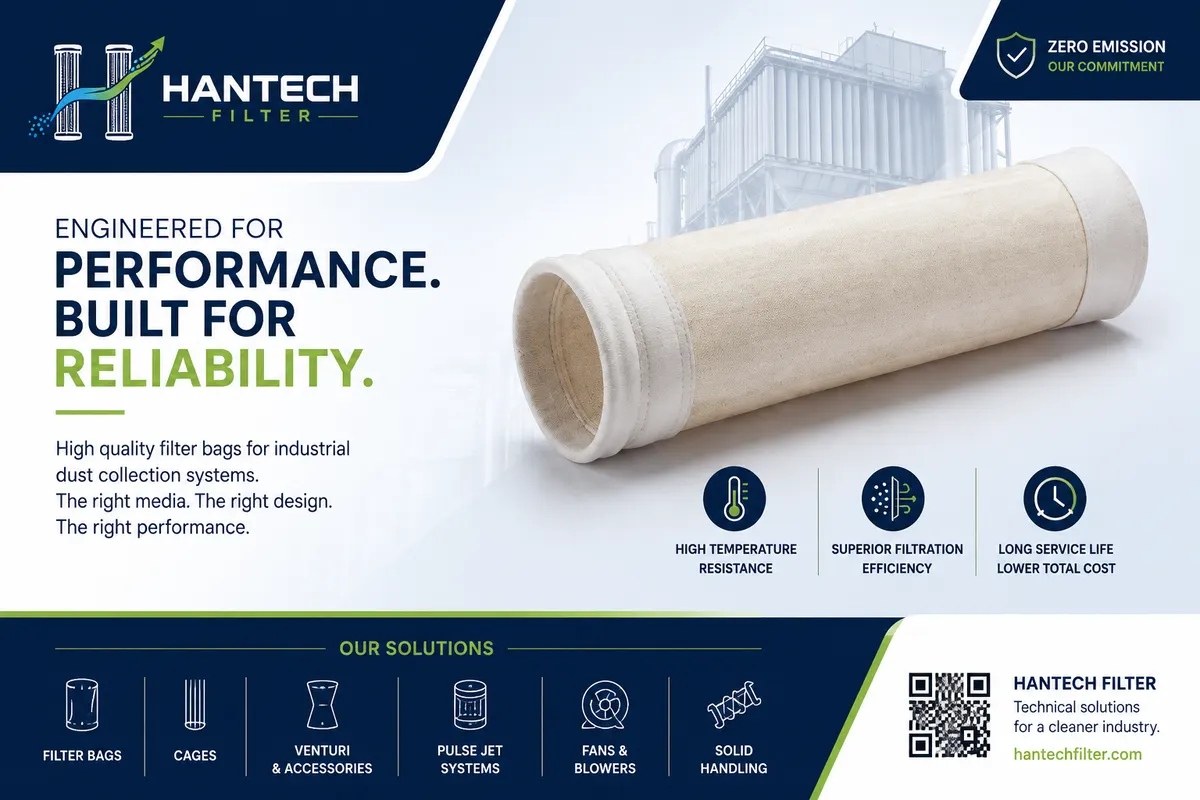 Blog
Blog
Fiberglass PTFE filter bags are a strong option in heavy-duty processes that combine high temperature, chemical resistance and low-emission requirements. However, because of the brittle nature of glass fiber, an expensive bag can be damaged in a short time if the cage, pulse pressure, installation and packaging conditions are not properly managed.
Read the article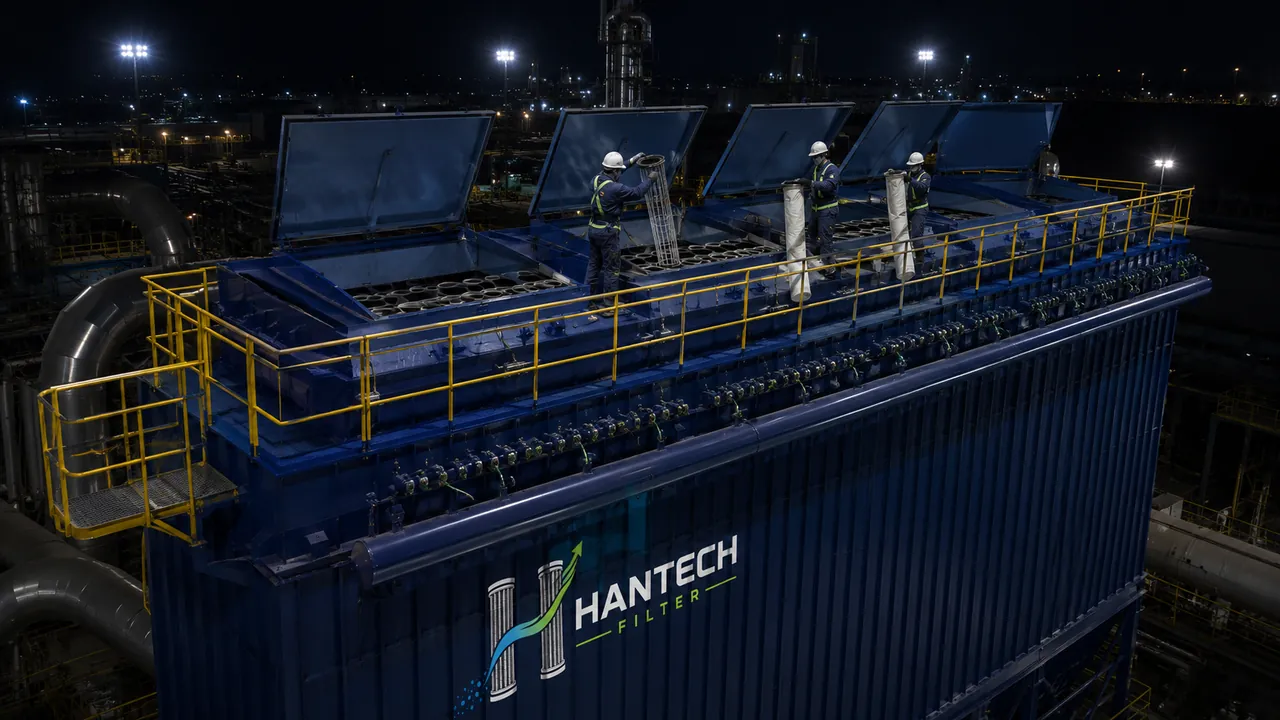 Blog
Blog
In a pulse-jet system, compressed air cleans the bags with short bursts; the valve, air tank, blow pipe, and differential pressure control work together.
Read the article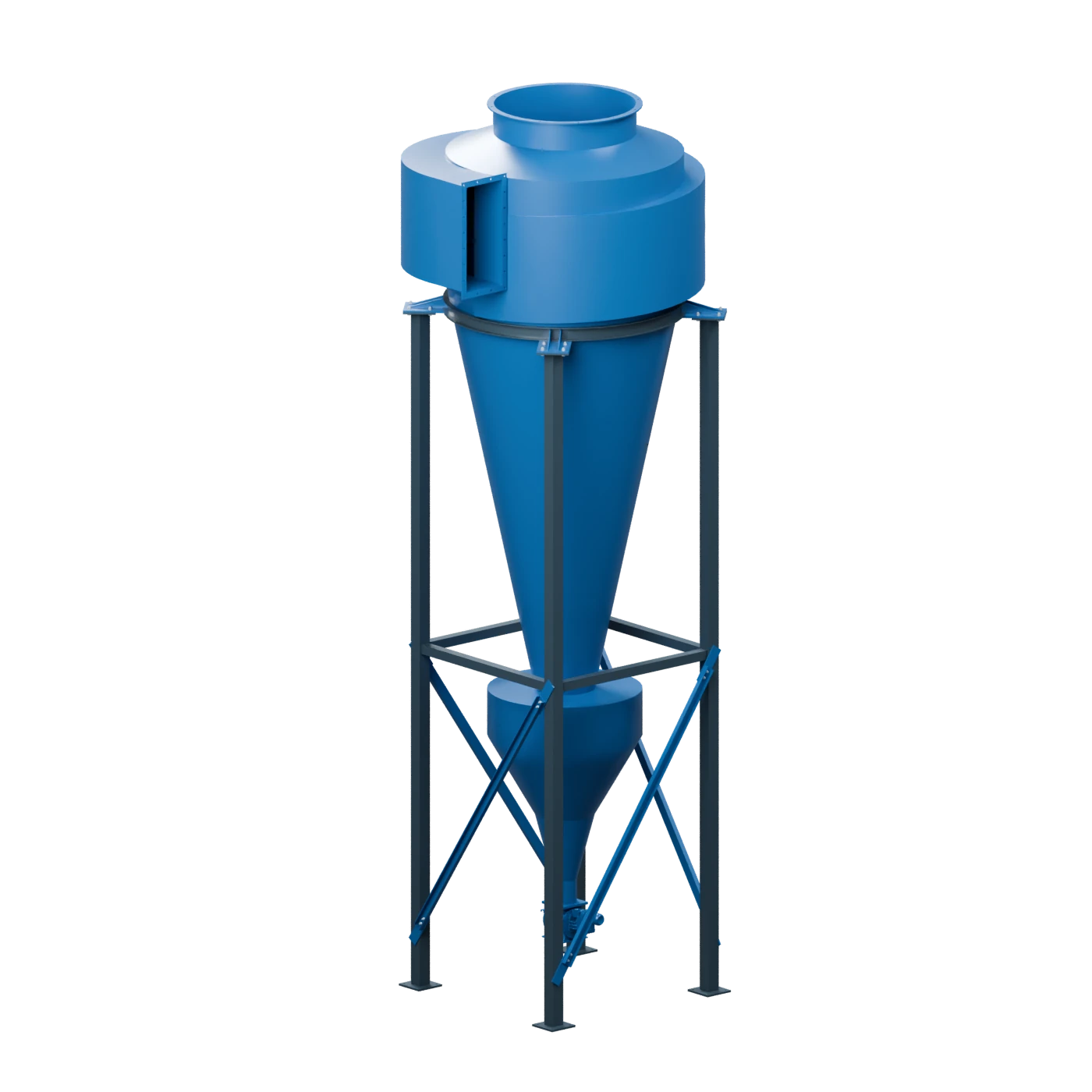 Blog
Blog
A cyclone dust collector is an industrial pre-separator that removes coarse, abrasive particles by centrifugal action, reducing filter load, spark risk, and maintenance cost ahead of a baghouse filter.
Read the article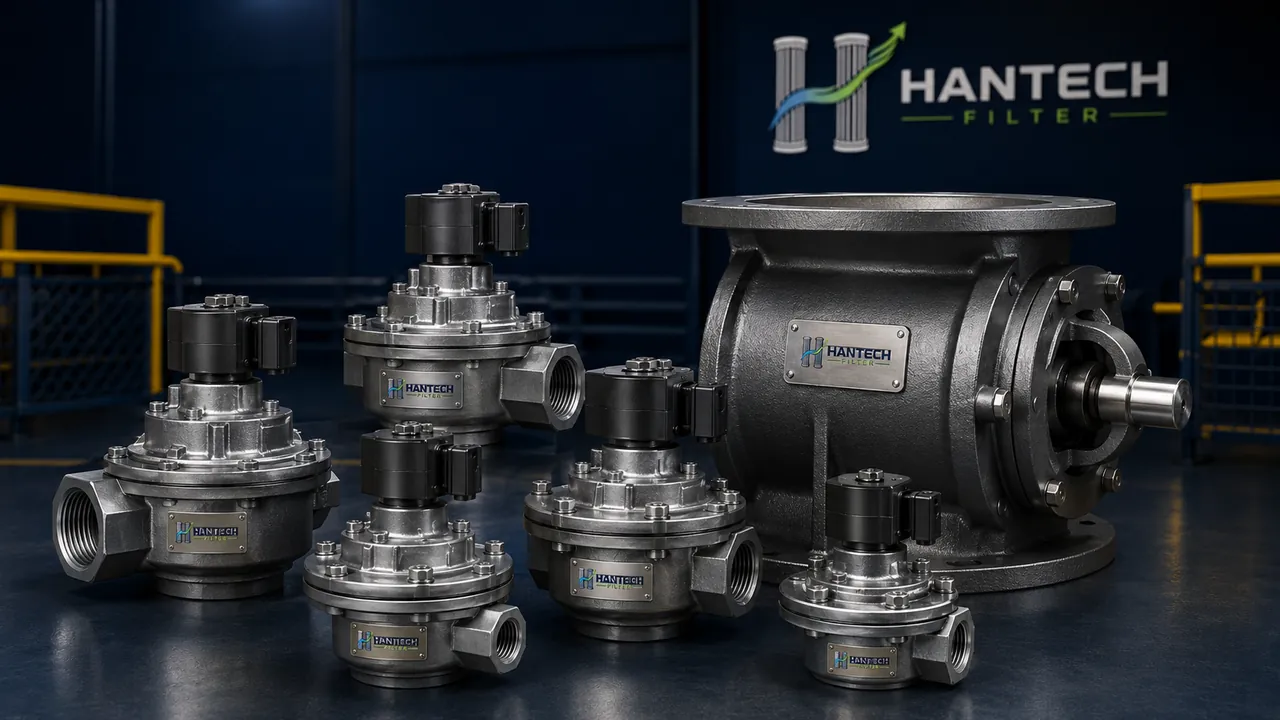 Blog
Blog
A pulse-jet valve failure shows up as rising differential pressure across the baghouse filter, a weak cleaning pulse sound, continuous air leakage, a torn diaphragm, a burnt-out coil, or a timer signal fault. For accurate diagnosis, the valve should not be checked in isolation; air tank pressure, blow pipe alignment, compressor capacity, pulse duration, and filter bag behavior must all be checked together.
Read the article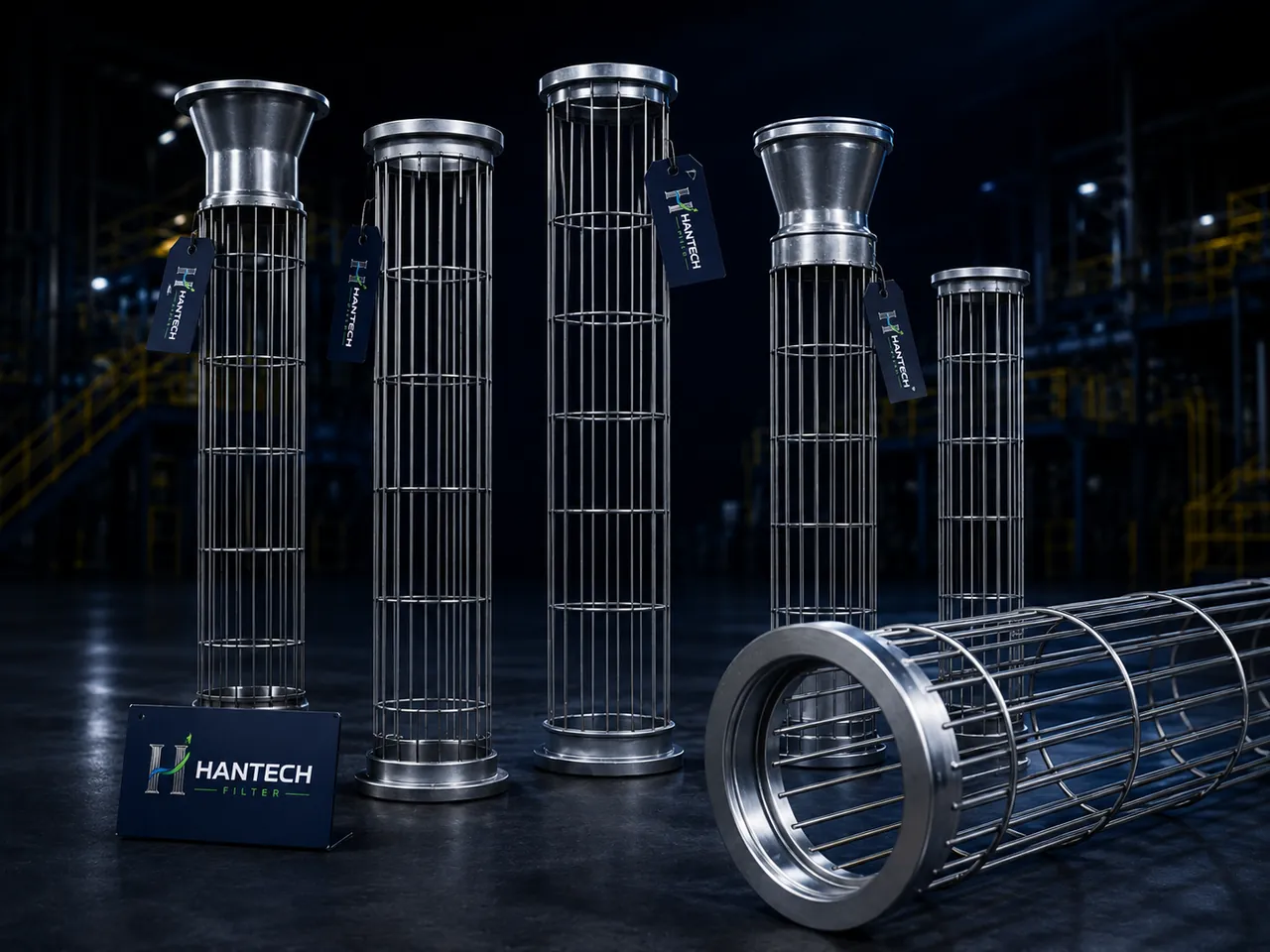 Blog
Blog
Filter cage selection is made based on bag diameter, cell plate hole size, wire count, coating, venturi, surface smoothness, and compatibility with pulse-jet cleaning. An incorrect cage can wear down even a correctly selected filter bag in a short time, creating a risk of leakage and high differential pressure.
Read the article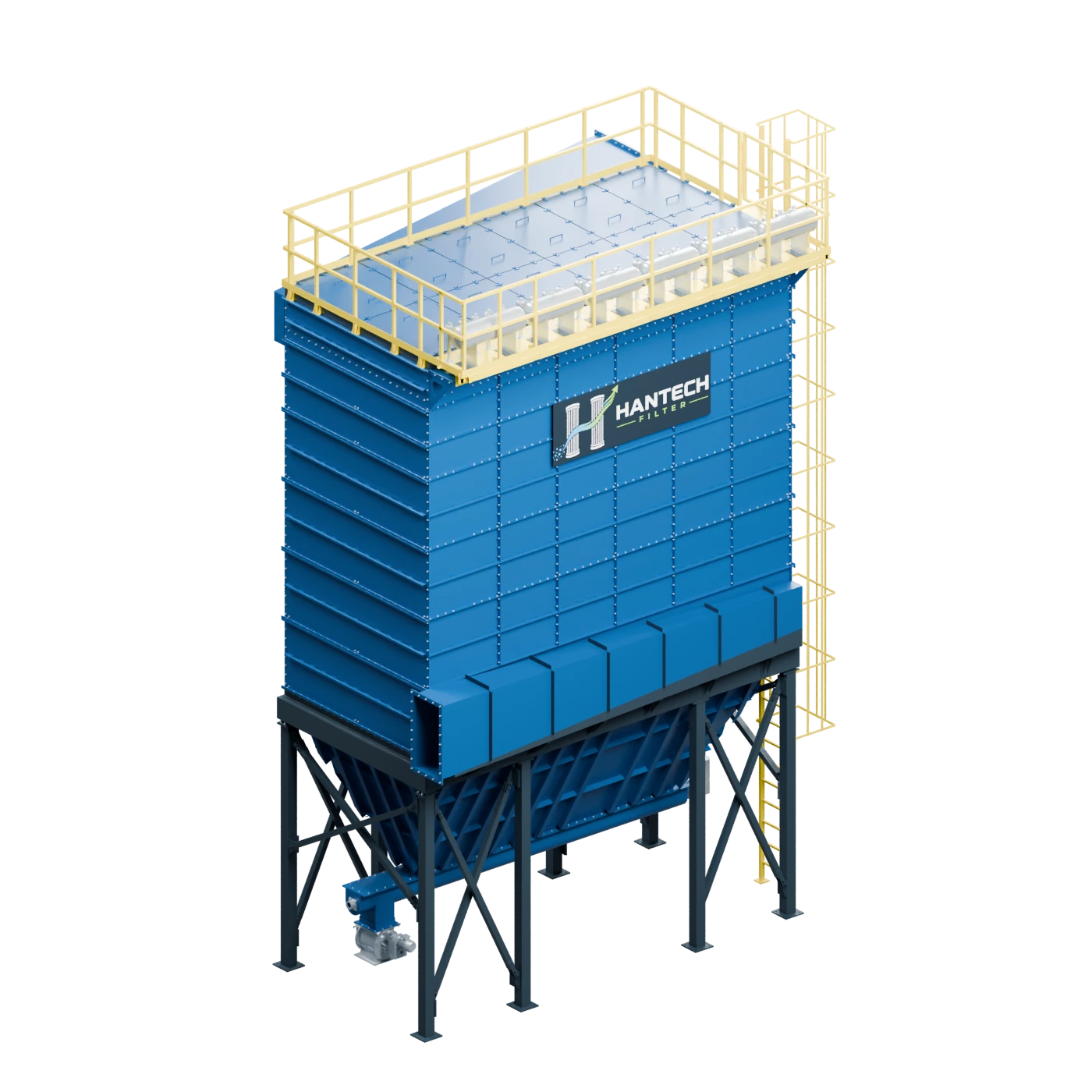 Blog
Blog
Pressure drop in a baghouse filter can rise due to a high A/C ratio, incorrect bag media, moist or fine dust, weak pulse-jet cleaning, the fan operating point, and hopper discharge problems. When the dP trend is read correctly, bag life, extraction performance, and energy consumption can all be improved together.
Read the article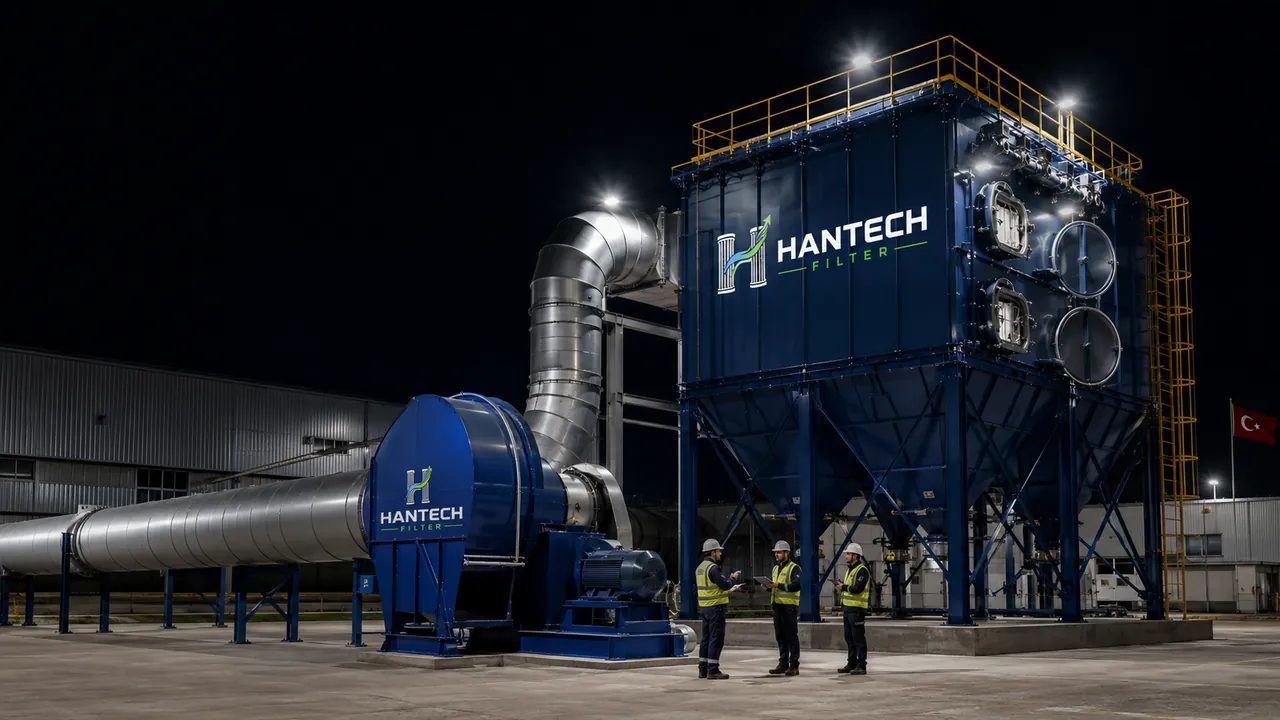 Blog
Blog
Filter bag selection at cement plants must be made separately for the raw mill, clinker, cement mill, silo, and packing points, based on temperature, moisture, alkalinity, abrasiveness, particle size distribution, SOx/NOx risk, cage fit, and pulse-jet cleaning conditions.
Read the article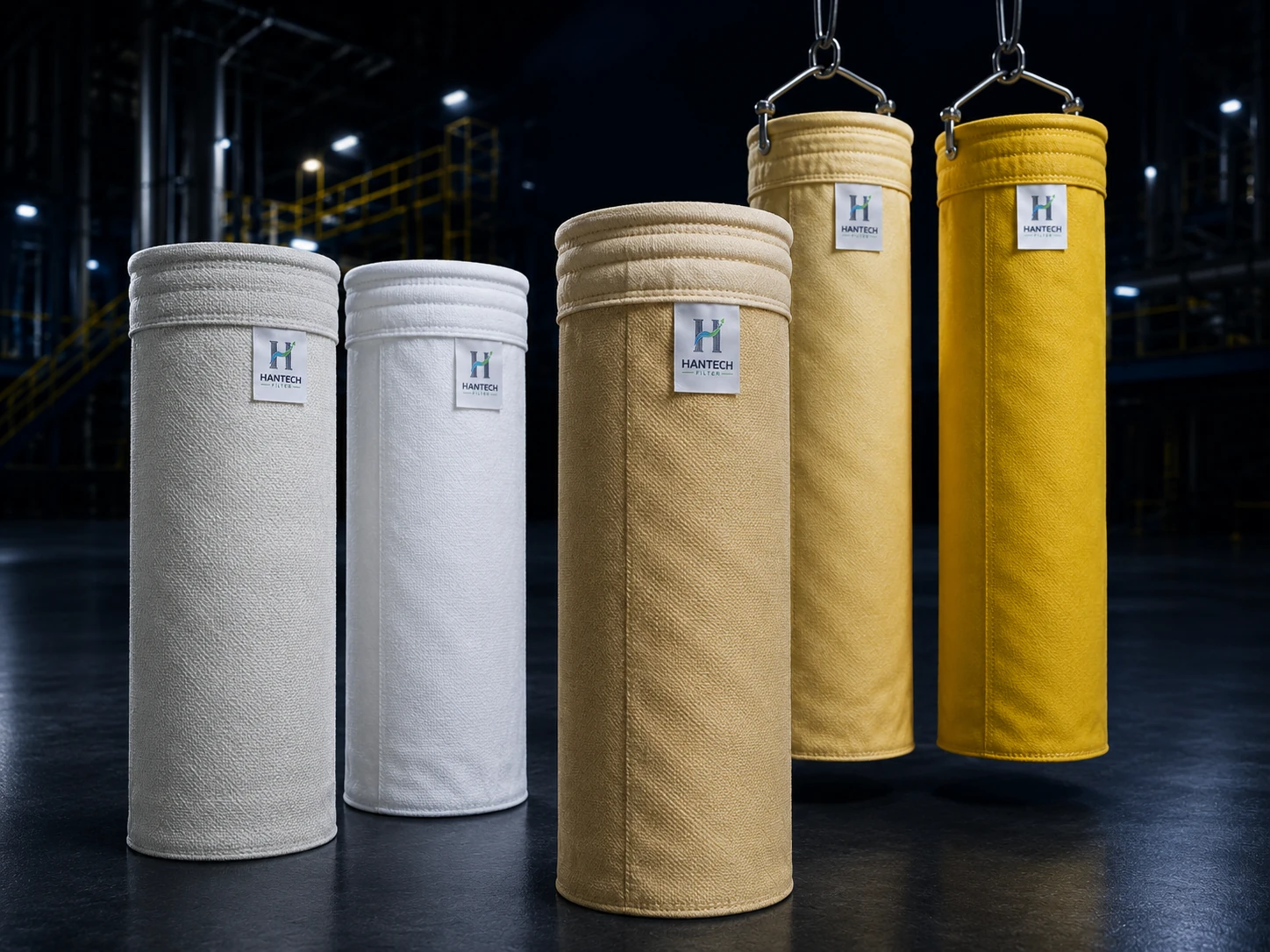 Blog
Blog
Choosing a more expensive media alone is not enough to extend filter bag life. Flow rate, A/C ratio, dP trend, pulse-jet pressure, cage surface, snap-band seating, moisture, dew point, dust micron size, and hopper discharge arrangement must all be checked together.
Read the article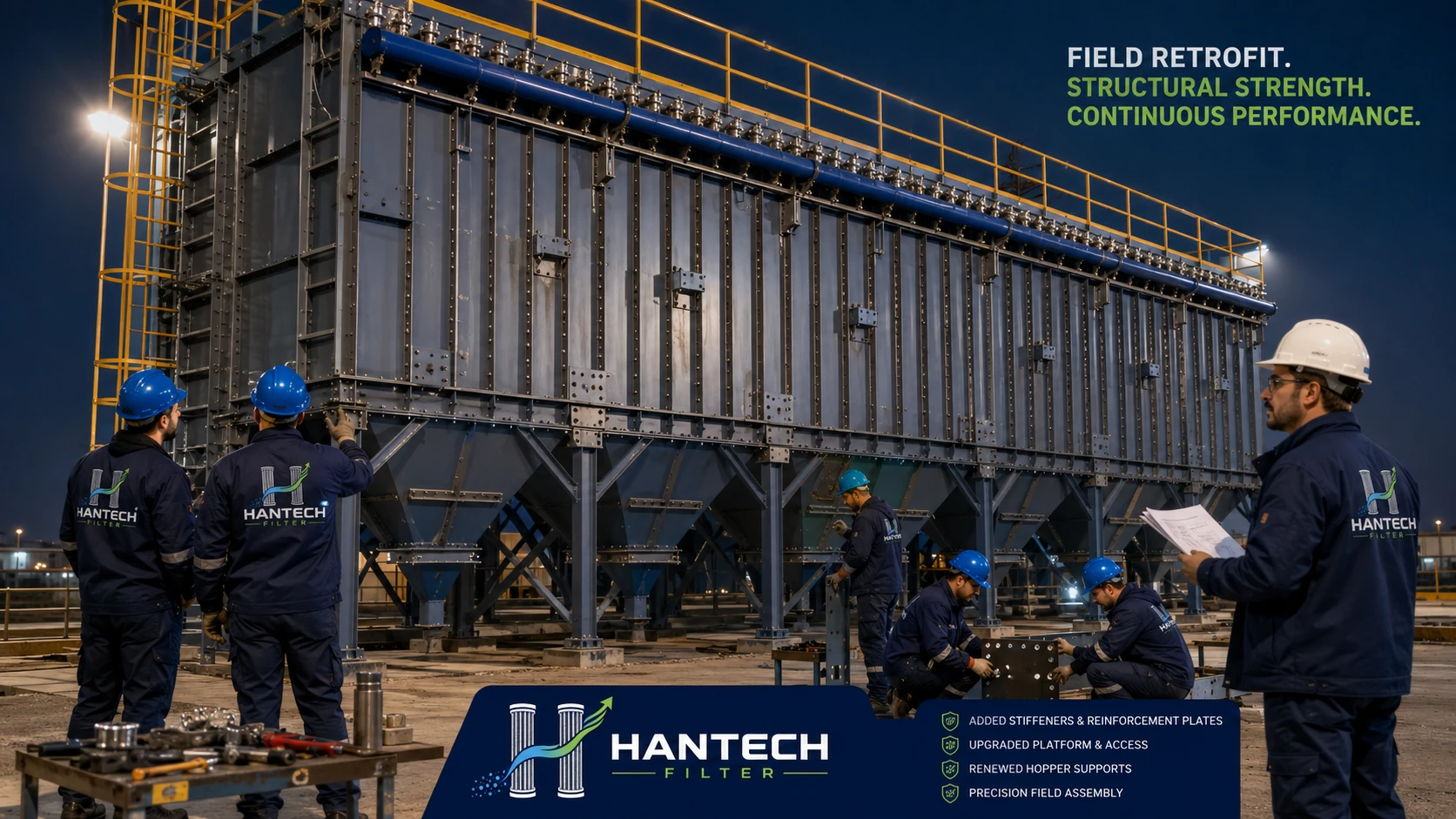 Blog
Blog
The decision to renew a baghouse filter should be made by reviewing the dP trend, emission behavior, fan operating point, housing tightness, pulse-jet system, filter area, hopper discharge, process capacity, and maintenance cost together. Not every high dP means a new filter investment is needed; however, at some sites retrofit may no longer be sufficient.
Read the article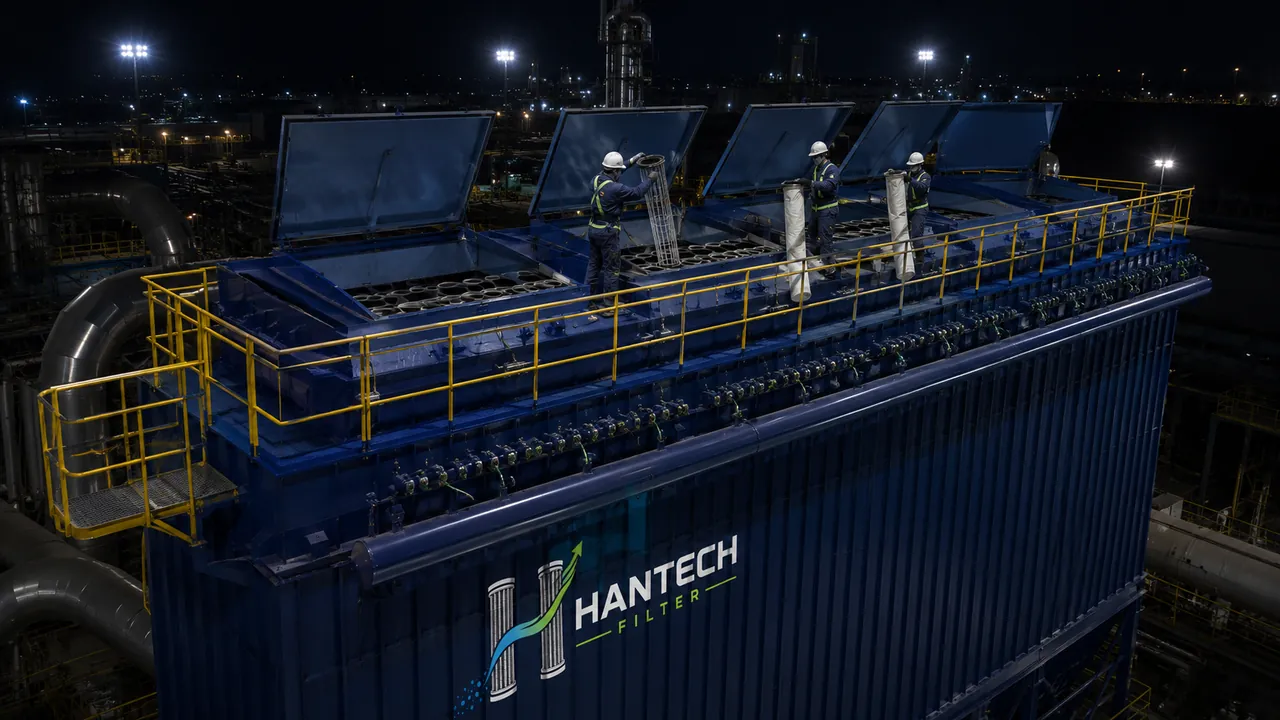 Blog
Blog
Silo-top filter failures are often not caused solely by a bag, cartridge, or valve problem; fill rate, tanker pressure, pulse air, the safety valve, leakage above the hopper, moisture, fine dust, and maintenance access must all be checked together.
Read the article Blog
Blog
Air slide fabric selection for cement and mineral dust conveying lines should be made by evaluating air permeability, pressure, incline, dust fineness, moisture, temperature, duct width, feed arrangement, and maintenance access together.
Read the article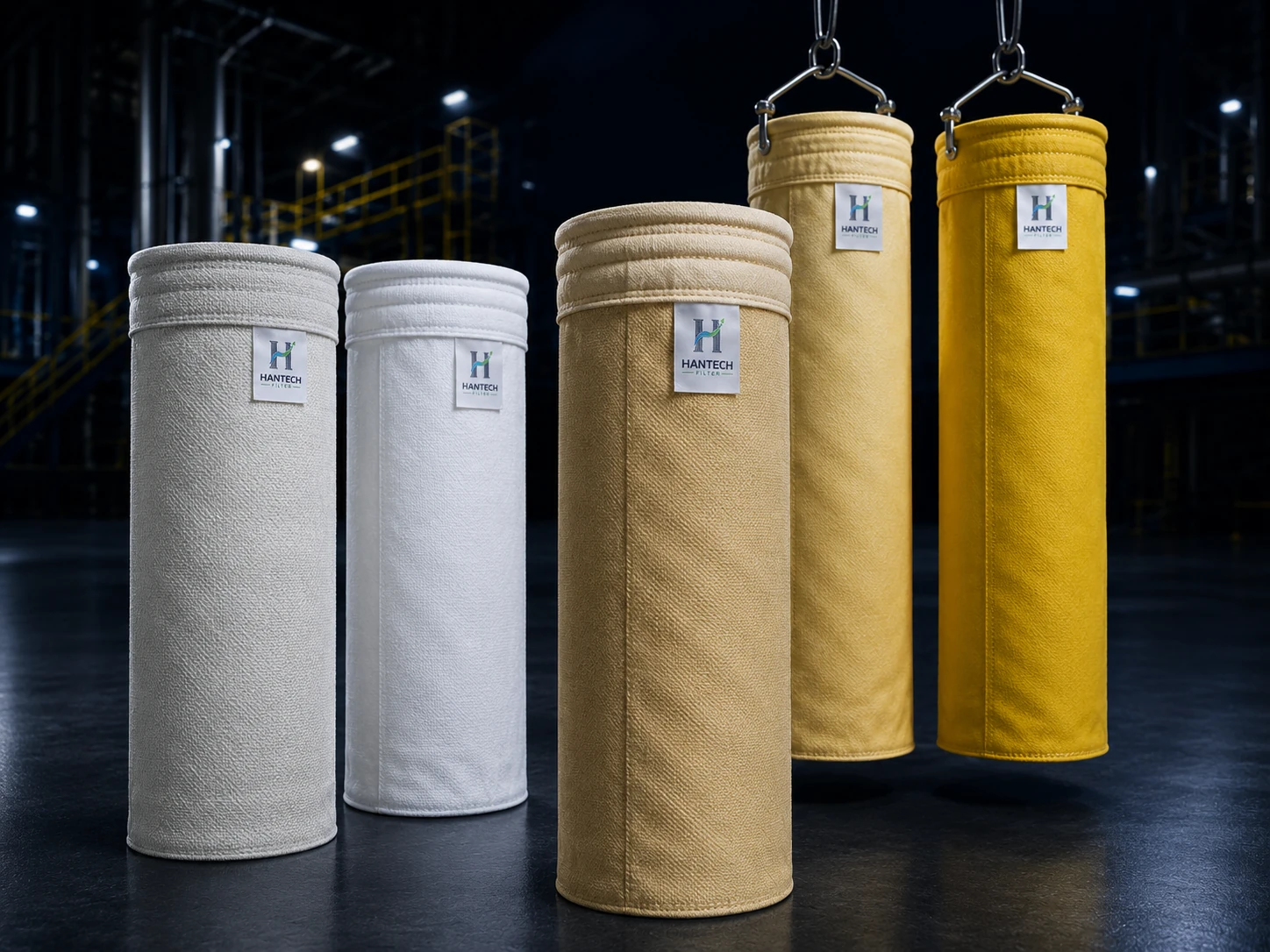 Blog
Blog
Filter bag type is not selected based on a temperature table alone; dust micron size, moisture, chemical gases, dP trend, A/C ratio, cage compatibility, and emission target must be evaluated together.
Read the article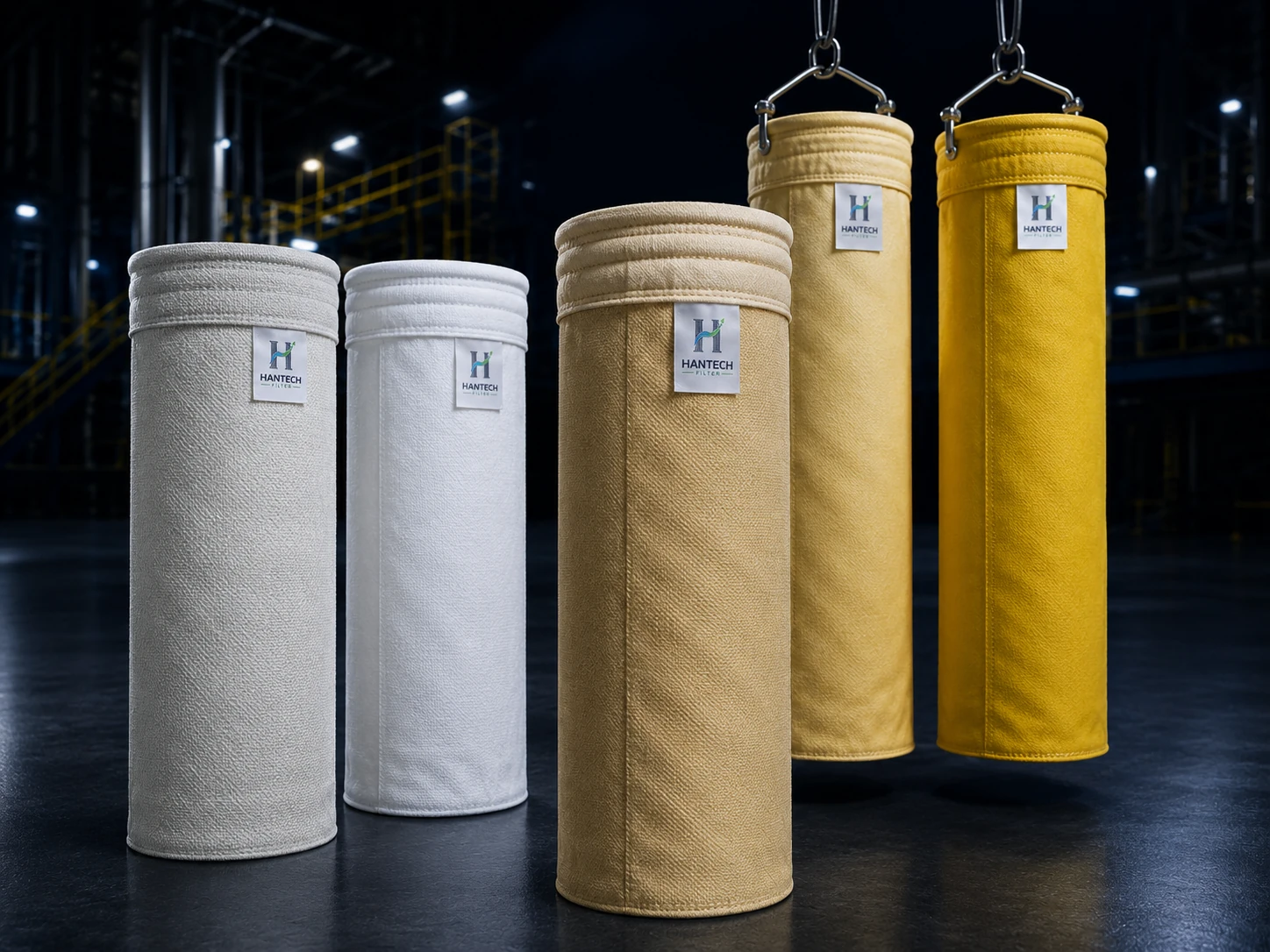 Blog
Blog
Polyester/PES filter bags are an economical and strong option in dry, moderate-temperature processes, but moisture, hydrolysis, high temperature, and fine dust behavior must be correctly assessed.
Read the article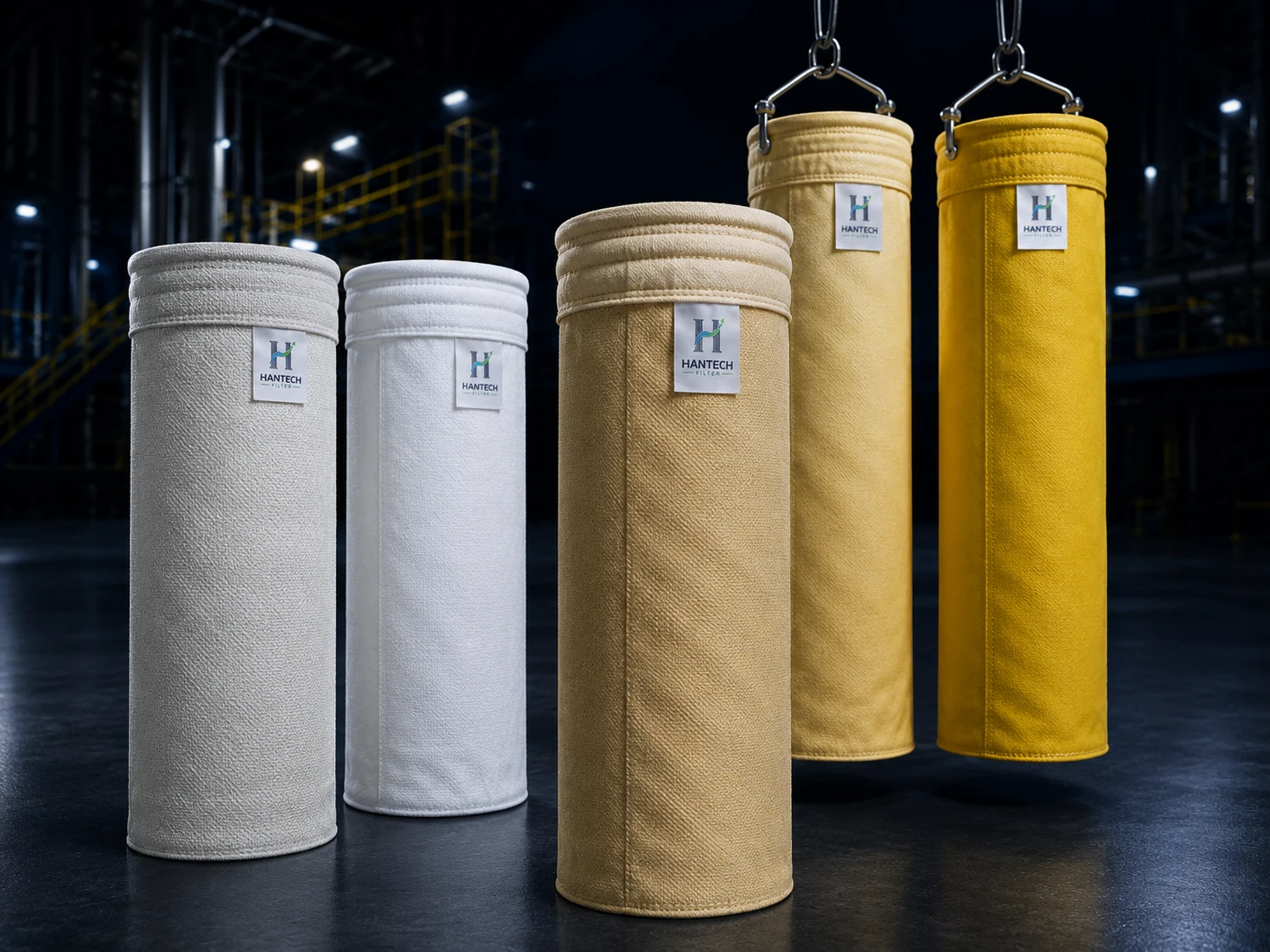 Blog
Blog
Antistatic filter bag is considered in processes with static electricity buildup and combustible dust risk; however, it does not provide ATEX safety on its own.
Read the article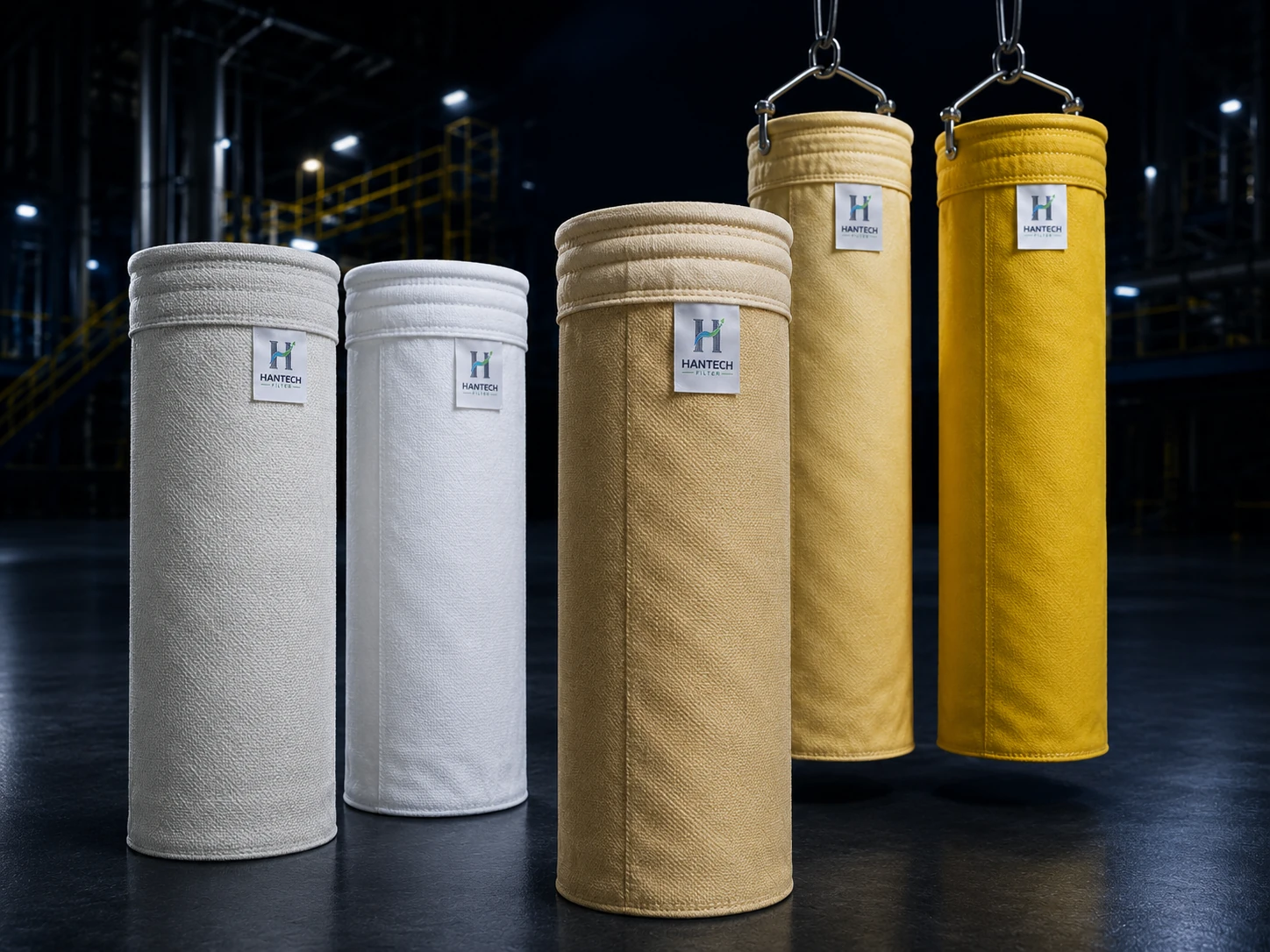 Blog
Blog
An oil-water repellent polyester filter bag can improve cake release in medium-temperature processes affected by moisture/aerosols; it should not be thought of as a chemical-resistant media.
Read the article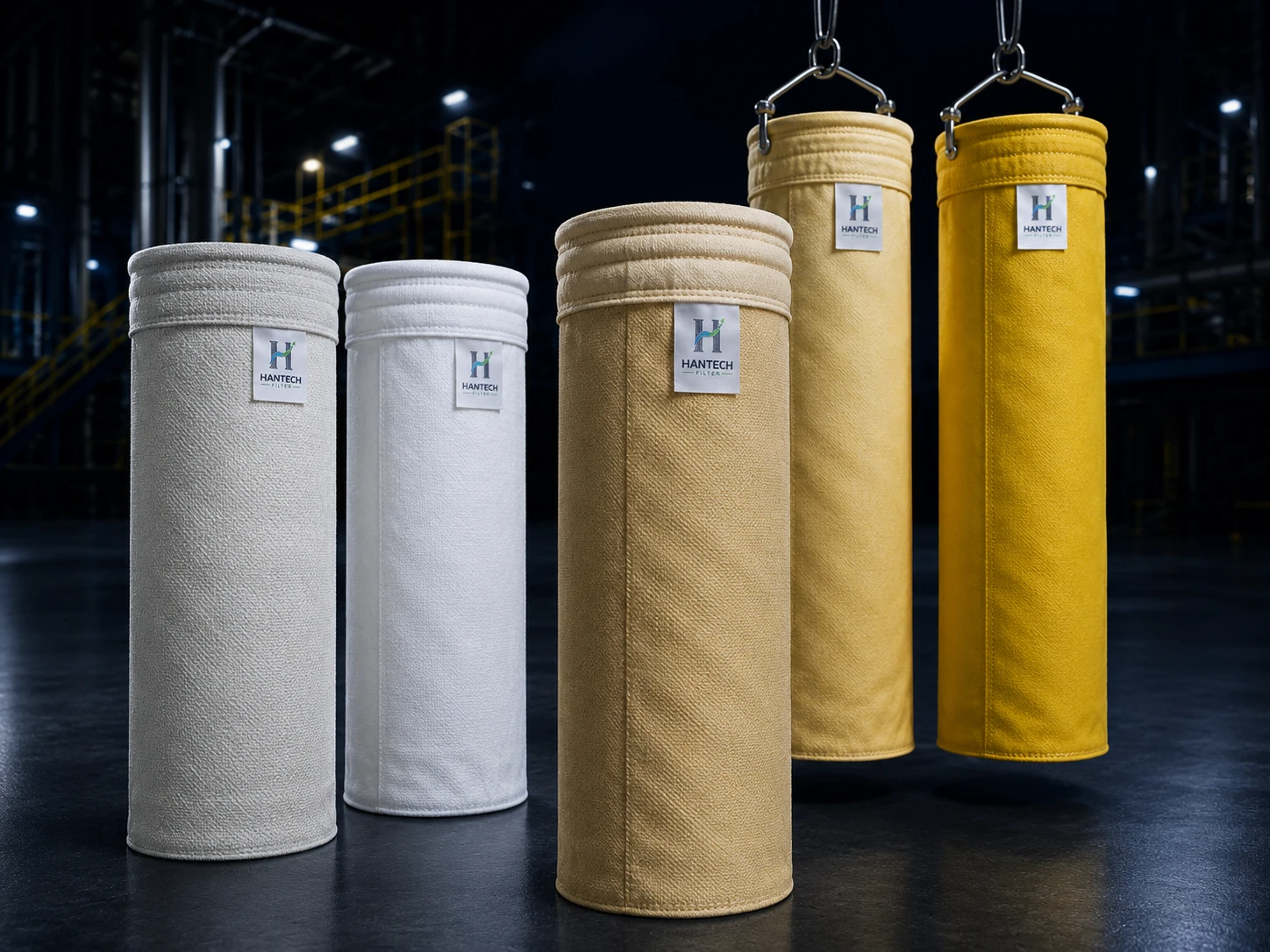 Blog
Blog
PPS filter bags are a strong candidate for hot and certain chemical processes, but should not be selected without correctly assessing high O2 levels and oxidation risk.
Read the article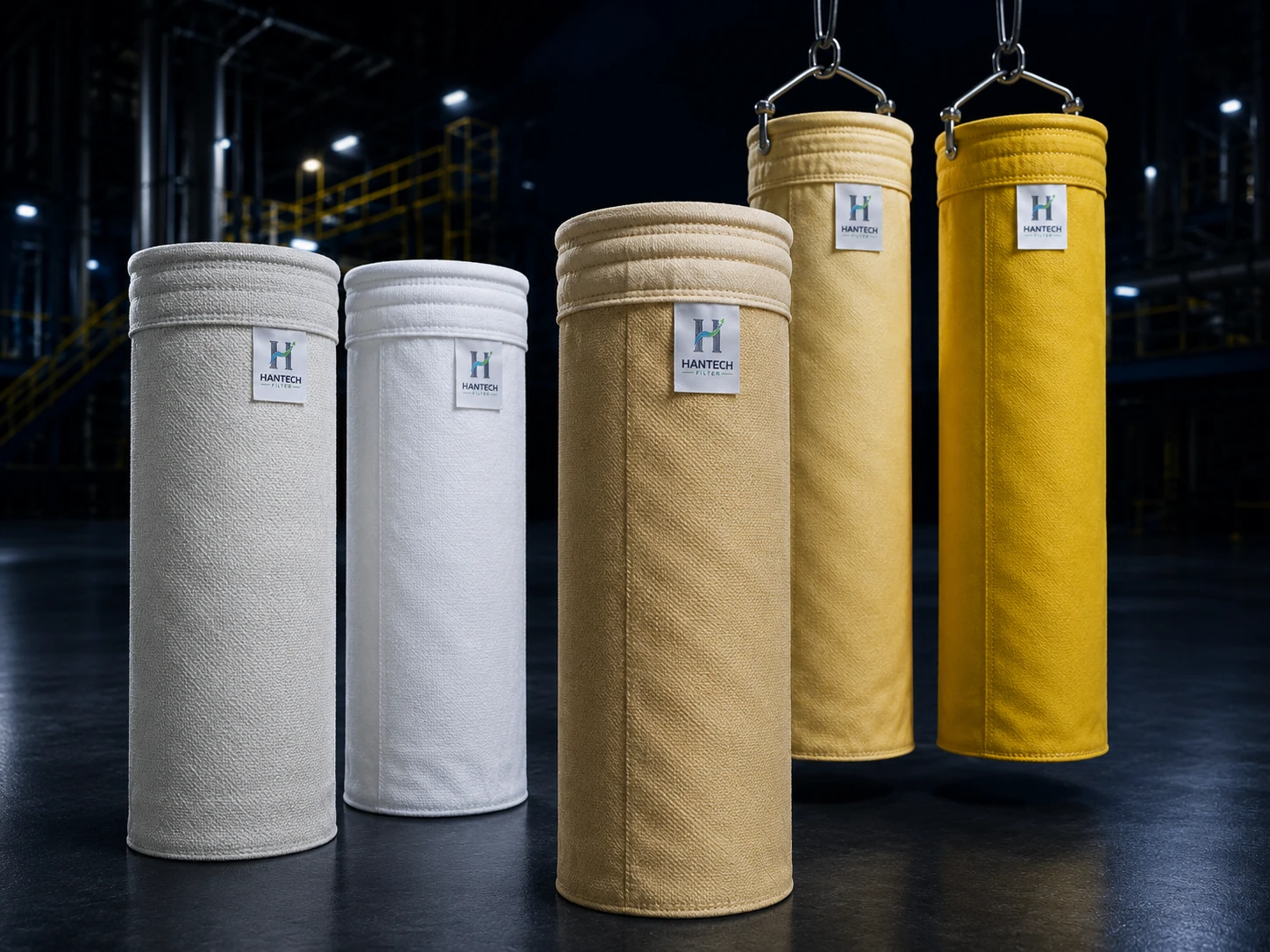 Blog
Blog
Meta-aramid/Nomex filter bags are a strong option at high temperature, but should not be selected automatically without evaluating acidic moisture and chemical gases.
Read the article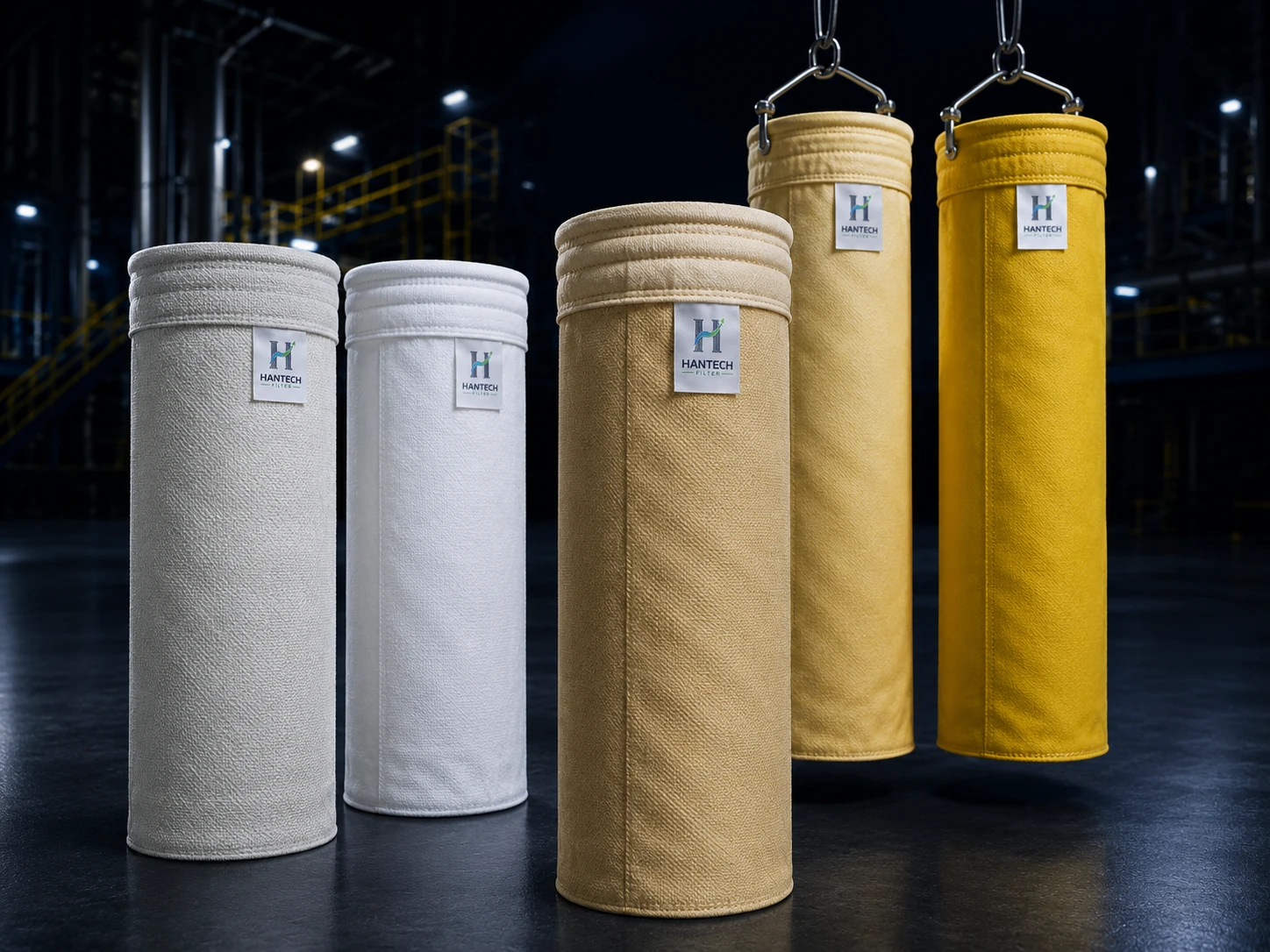 Blog
Blog
P84 filter bags perform strongly at high temperature and with fine dust, but cost, chemical limits, and the actual requirement must be evaluated correctly.
Read the article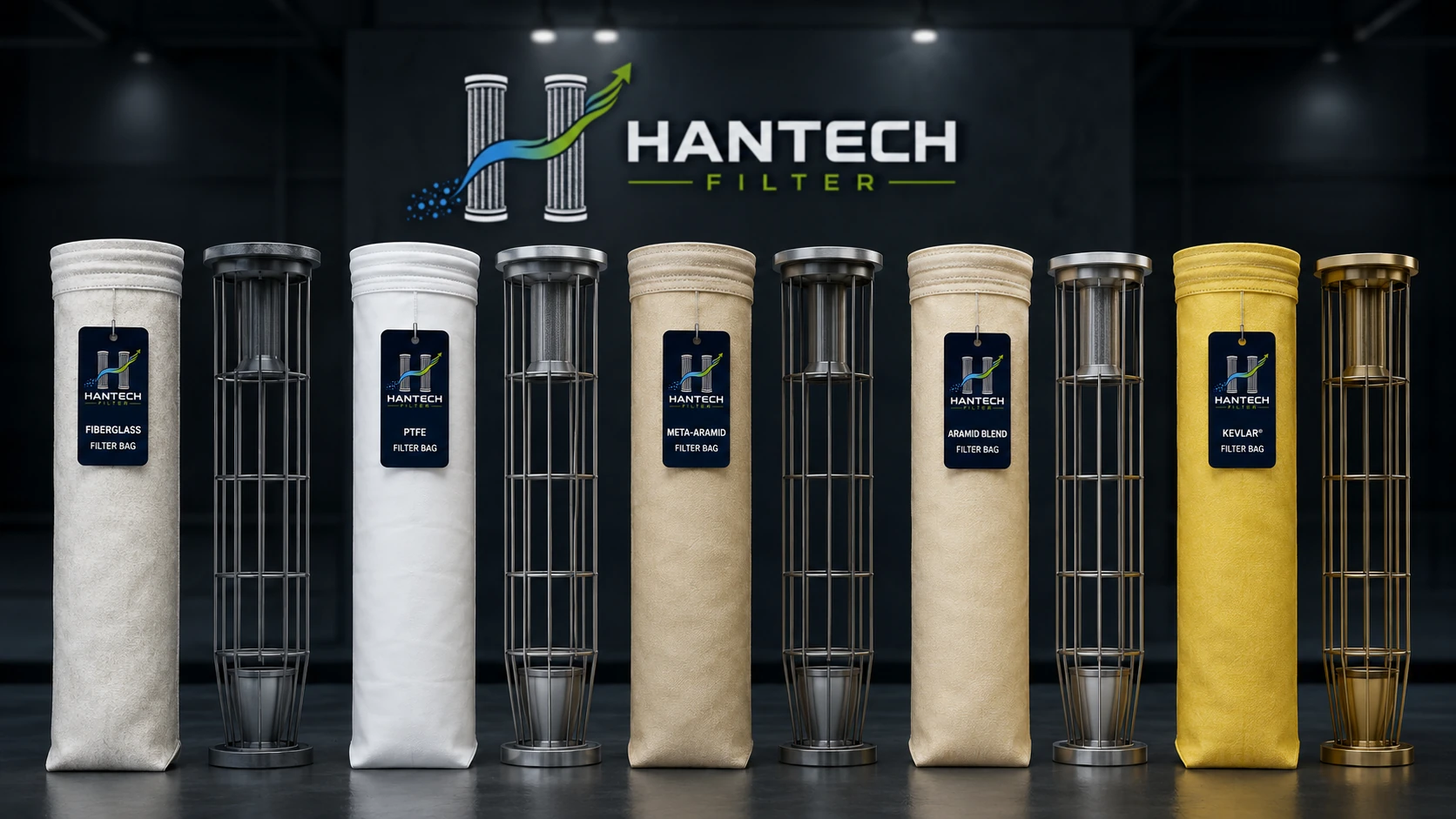 Blog
Blog
PTFE filter bags are a premium option with high chemical resistance and temperature tolerance, but they are not automatically the right choice for every process.
Read the article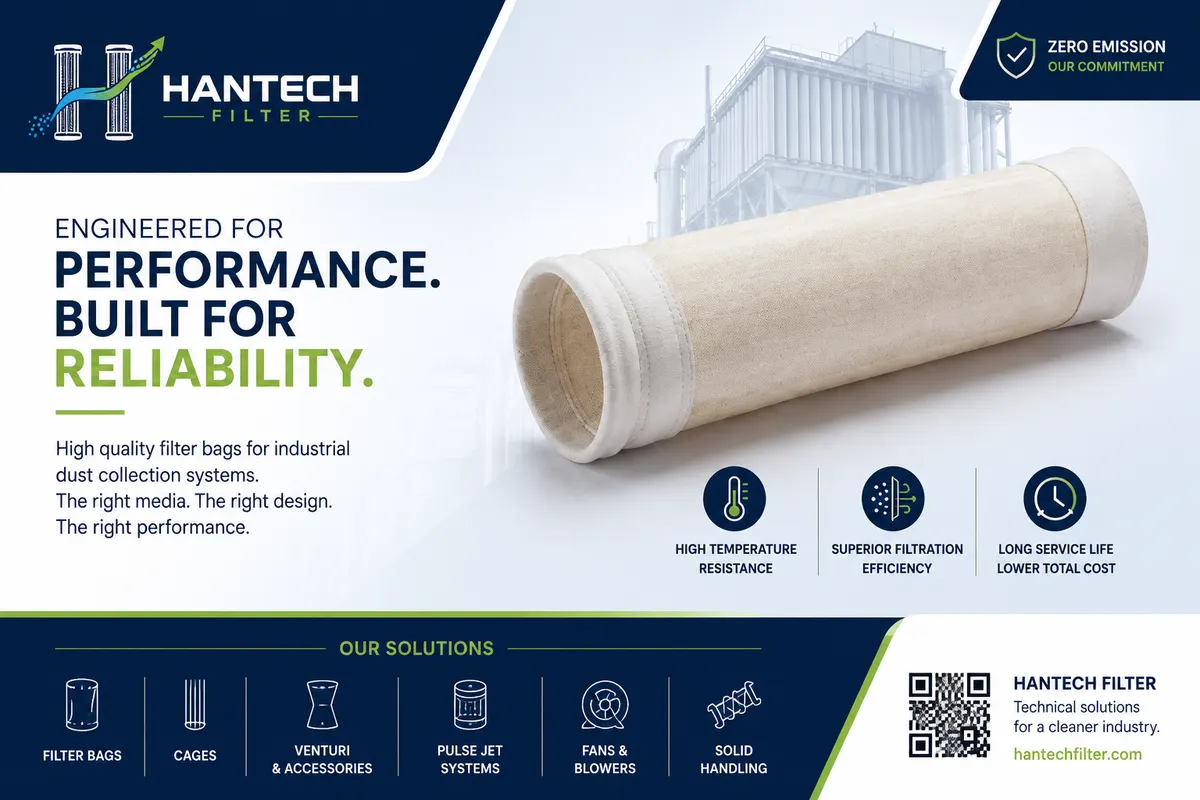 Blog
Blog
Fiberglass filter bag provides dimensional stability at high temperature; however, it is sensitive to fragility, cage surface, installation, and packaging errors.
Read the article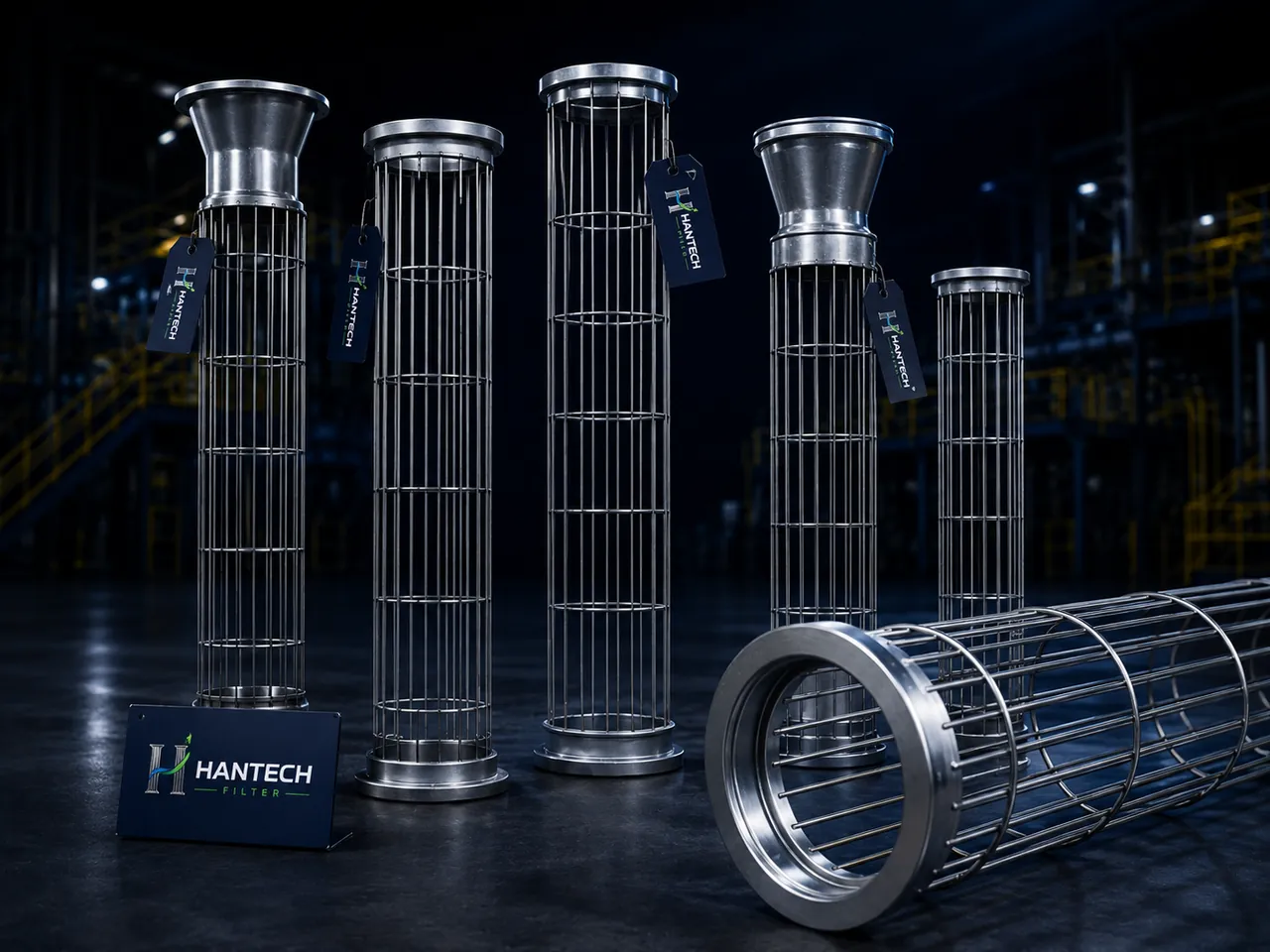 Blog
Blog
In a snap-band filter bag, the top detail can create leaks and premature bag damage if the cell-plate hole, sheet thickness, double bead, cage outer diameter, and installation tolerance aren't correct.
Read the article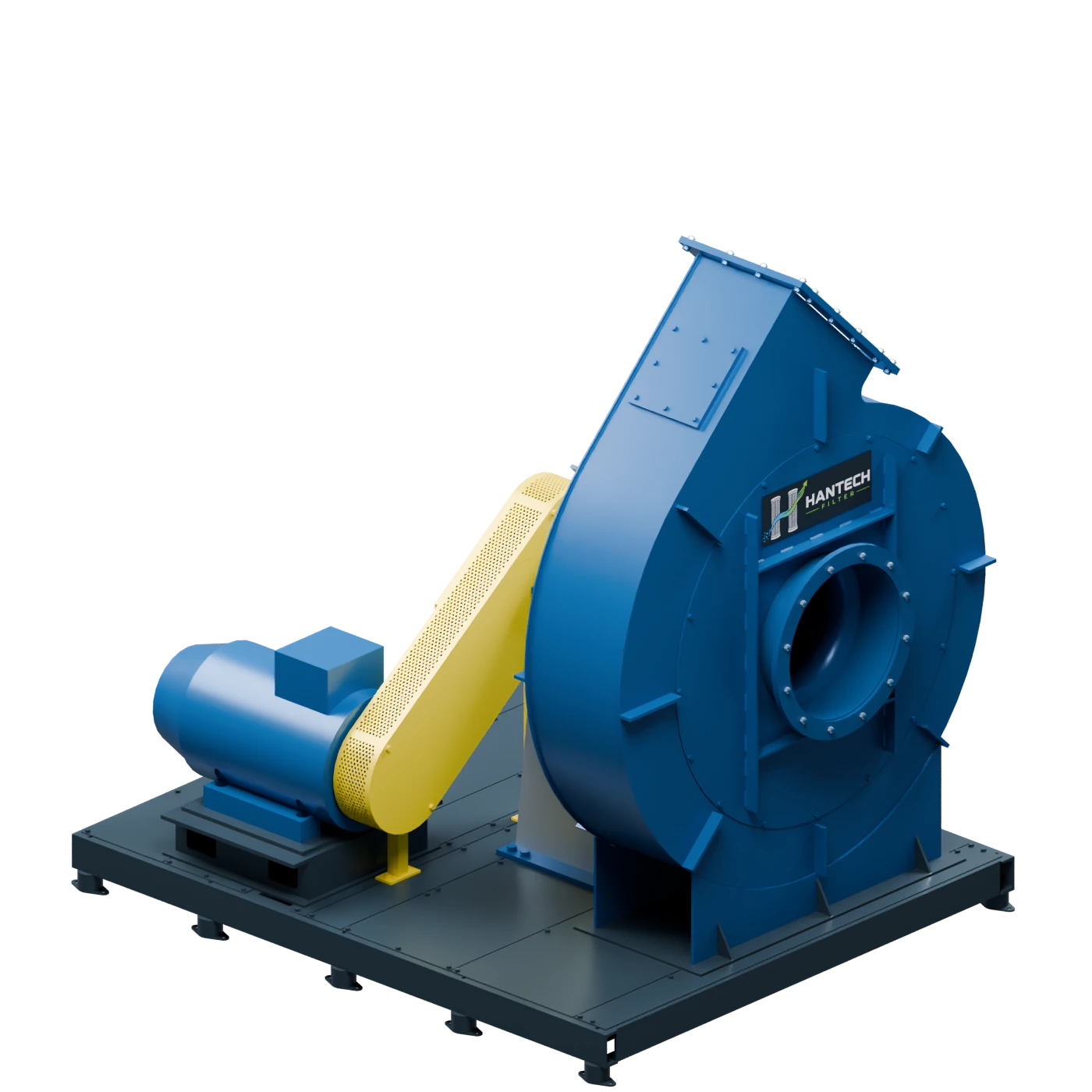 Blog
Blog
Industrial fan selection cannot be made based on motor kW or fan diameter alone; suction flow rate, duct velocities, filter dP, cyclone/damper losses, air leakage, and fan operating point must all be calculated together.
Read the article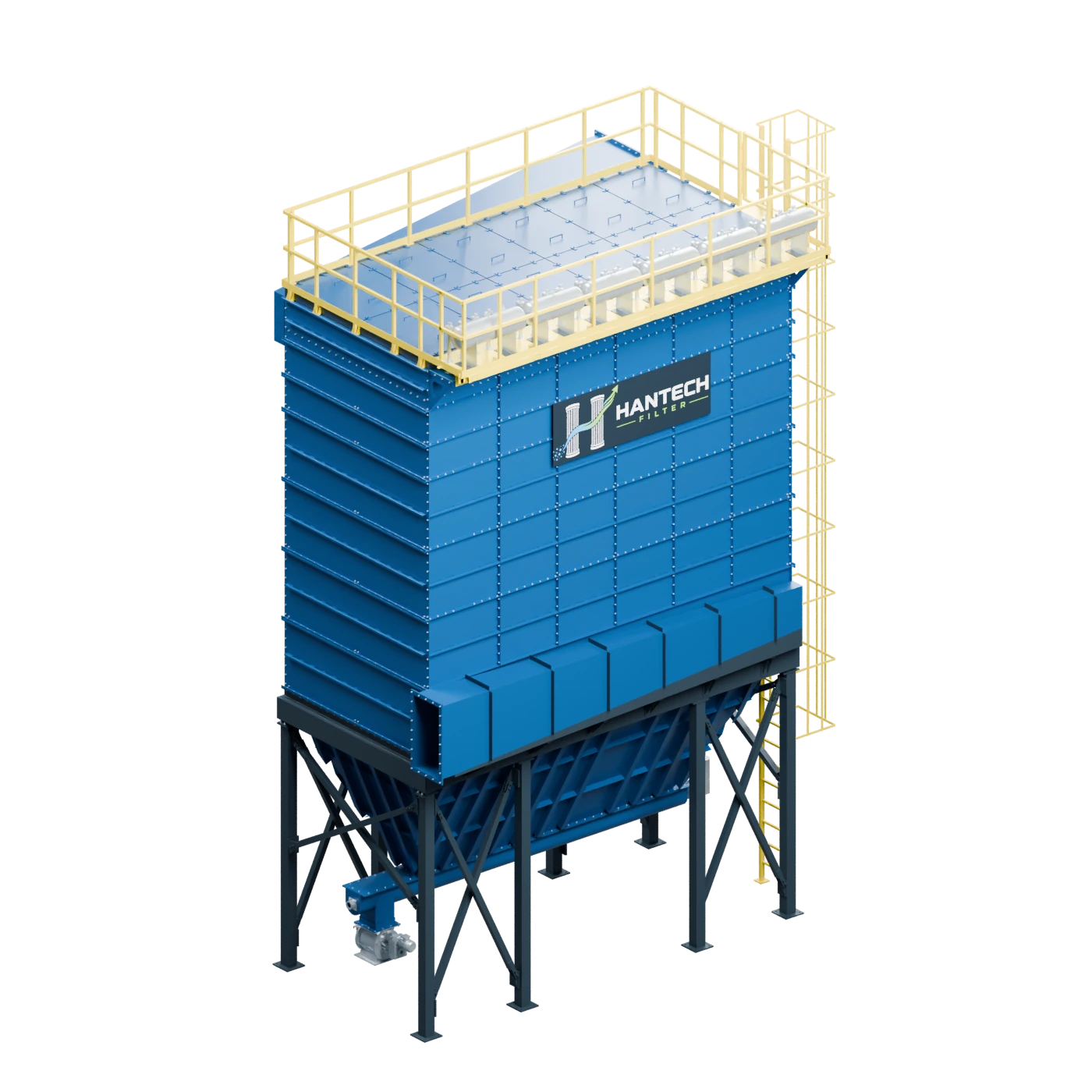 Blog
Blog
When selecting an industrial dust collection system, flow rate, dust characteristics, temperature, humidity, filter area, differential pressure, fan and emission target must all be evaluated together.
Read the article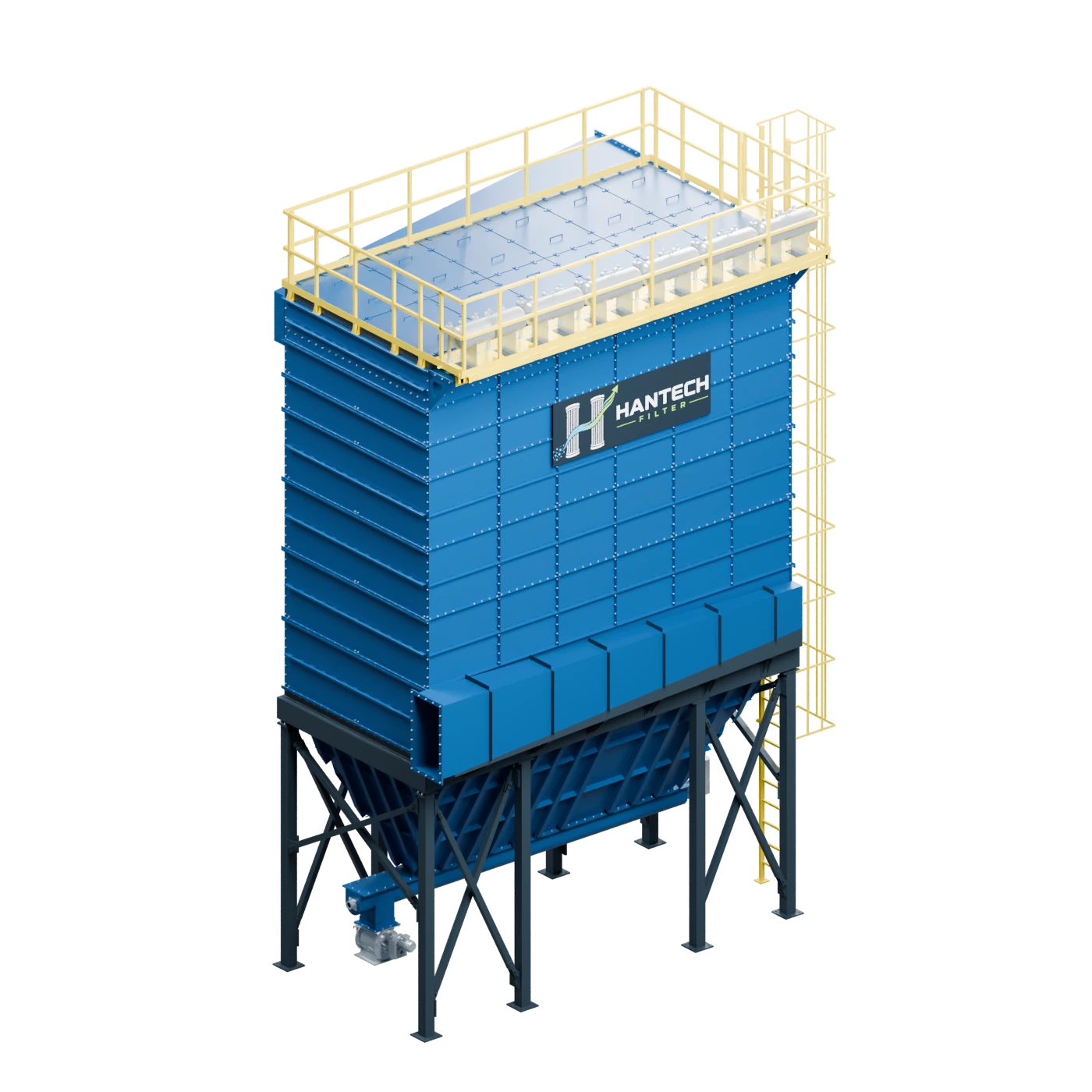 Blog
Blog
Filter performance measurement is a field verification that confirms the actual flow rate, differential pressure, emissions, fan operating point and maintenance risk of a baghouse filter or dust collection system, all together.
Read the article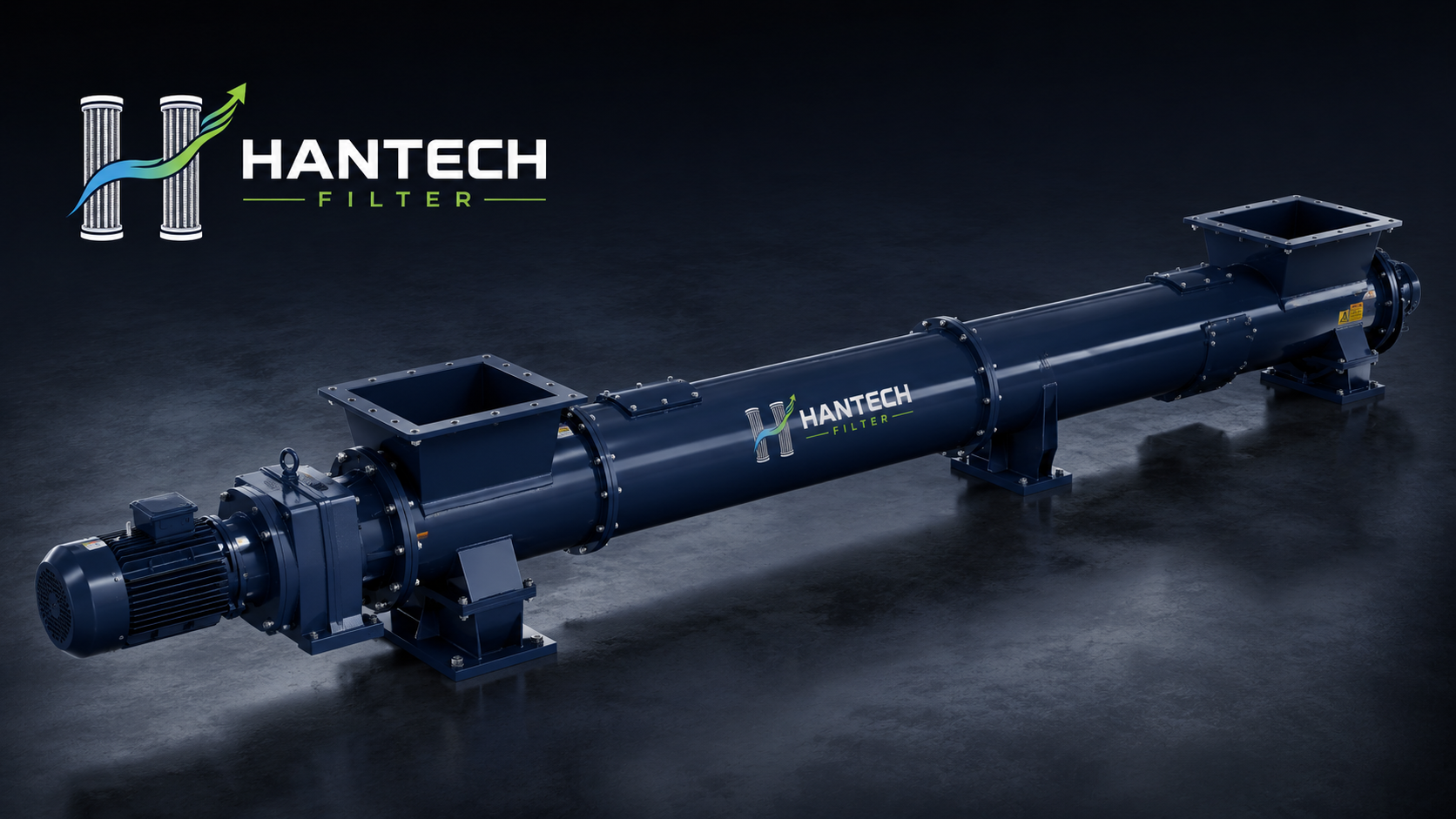 Blog
Blog
A telescopic loading spout should be selected together with material flow, filling rate, stroke, filter connection, and level control to reduce dust escape during silo, tanker, or truck filling.
Read the article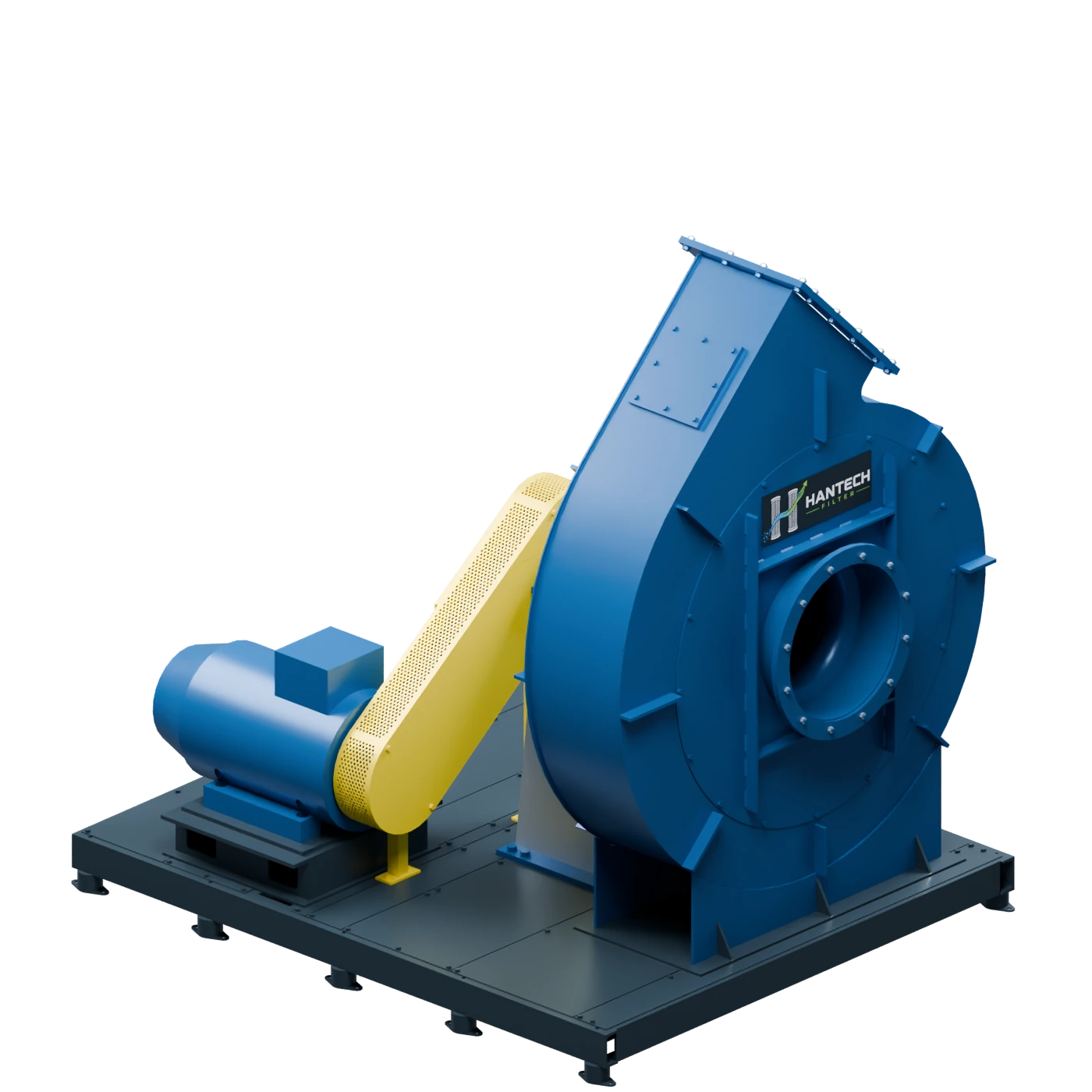 Blog
Blog
Industrial aspirator selection must be made by reading the suction point, duct losses, filter differential pressure, fan curve, dust characteristics, and energy consumption together.
Read the article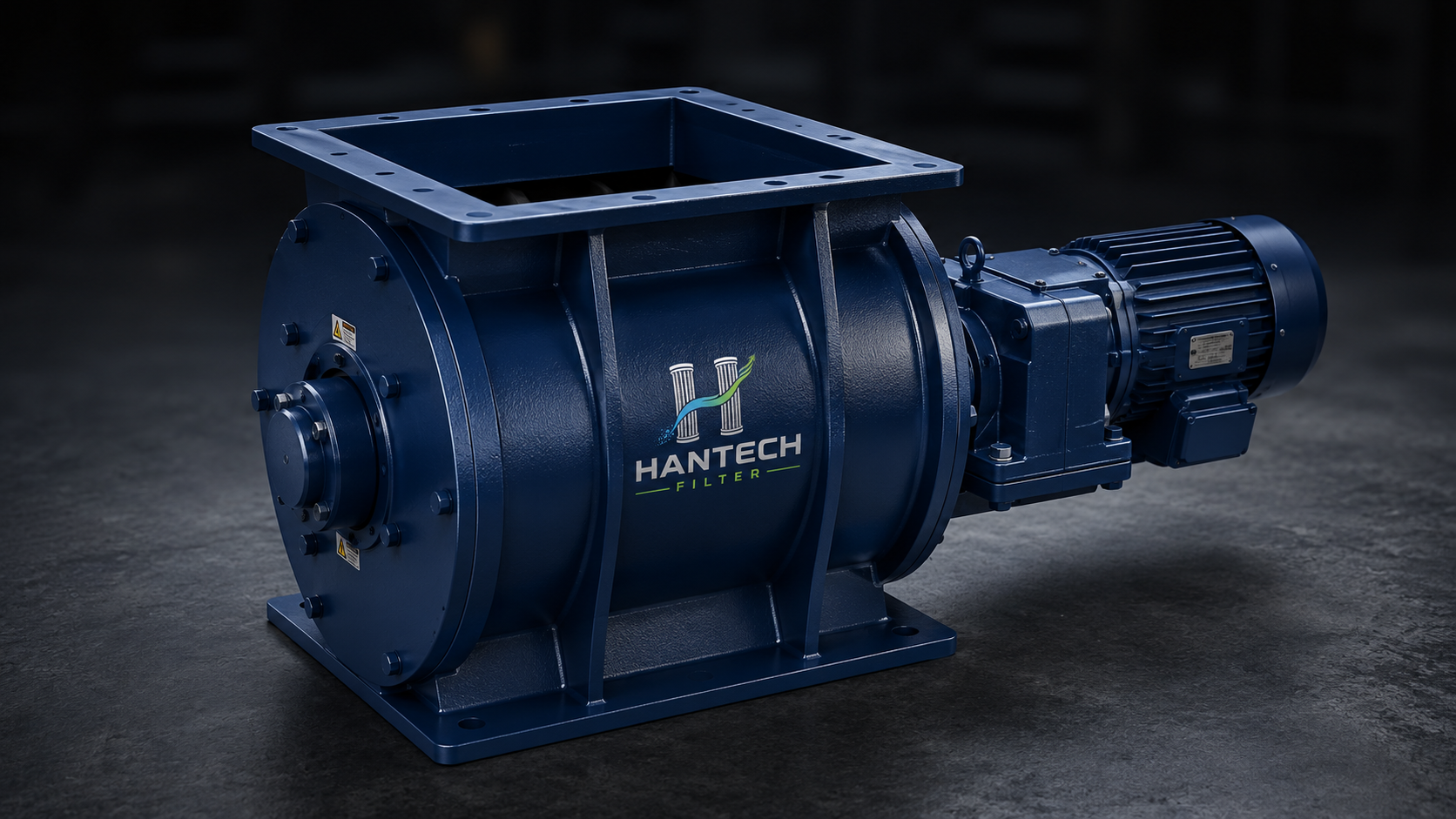 Blog
Blog
Silo equipment selection must be made by assessing the level measurement method, hopper flow geometry, discharge aids, pressure relief, and the weighing system together.
Read the article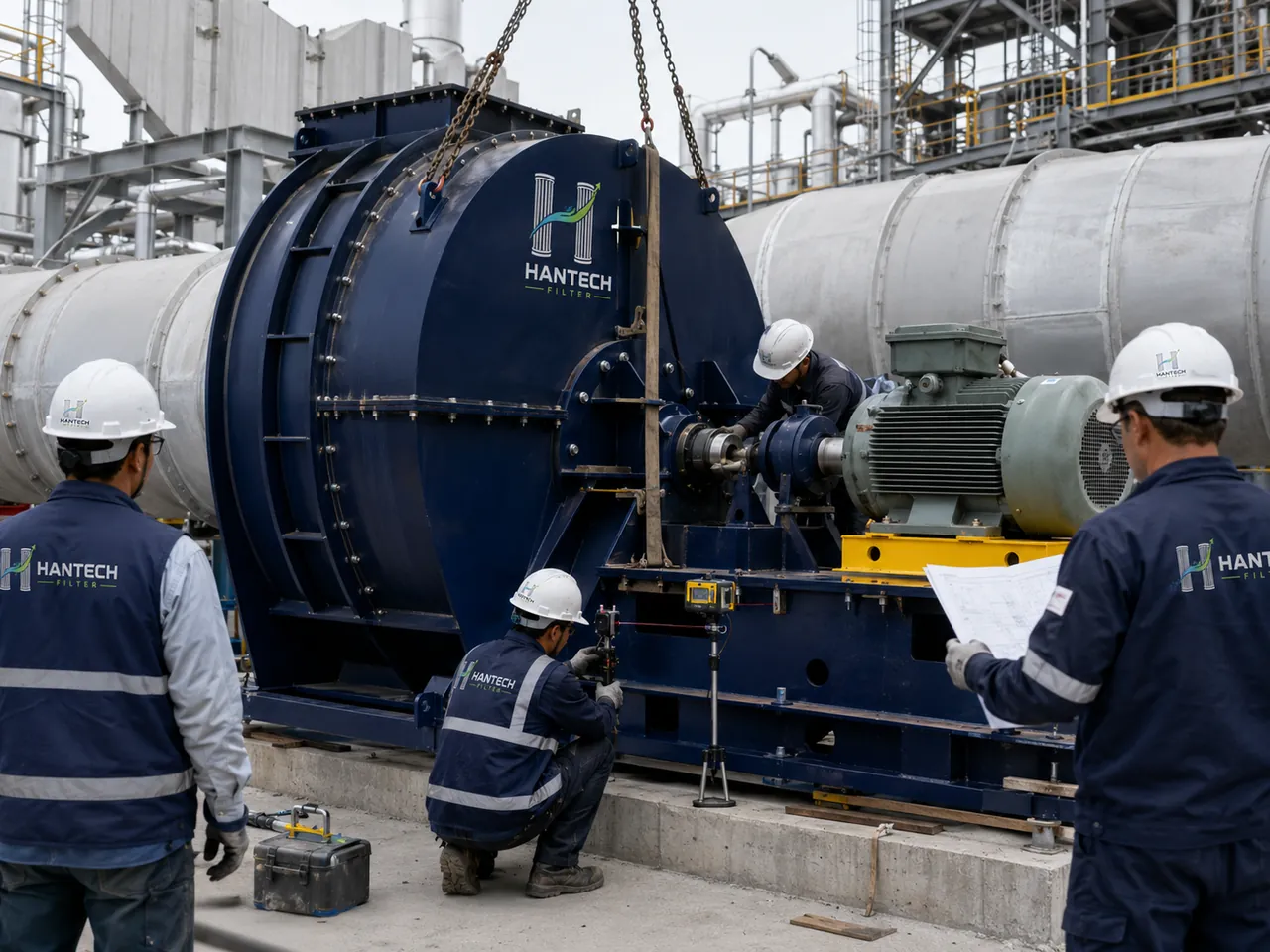 Blog
Blog
Industrial fan balancing must be assessed together with the ISO 21940-11 balance quality grade, ISO 10816/20816 vibration bands, the root causes of imbalance, and field diagnosis.
Read the article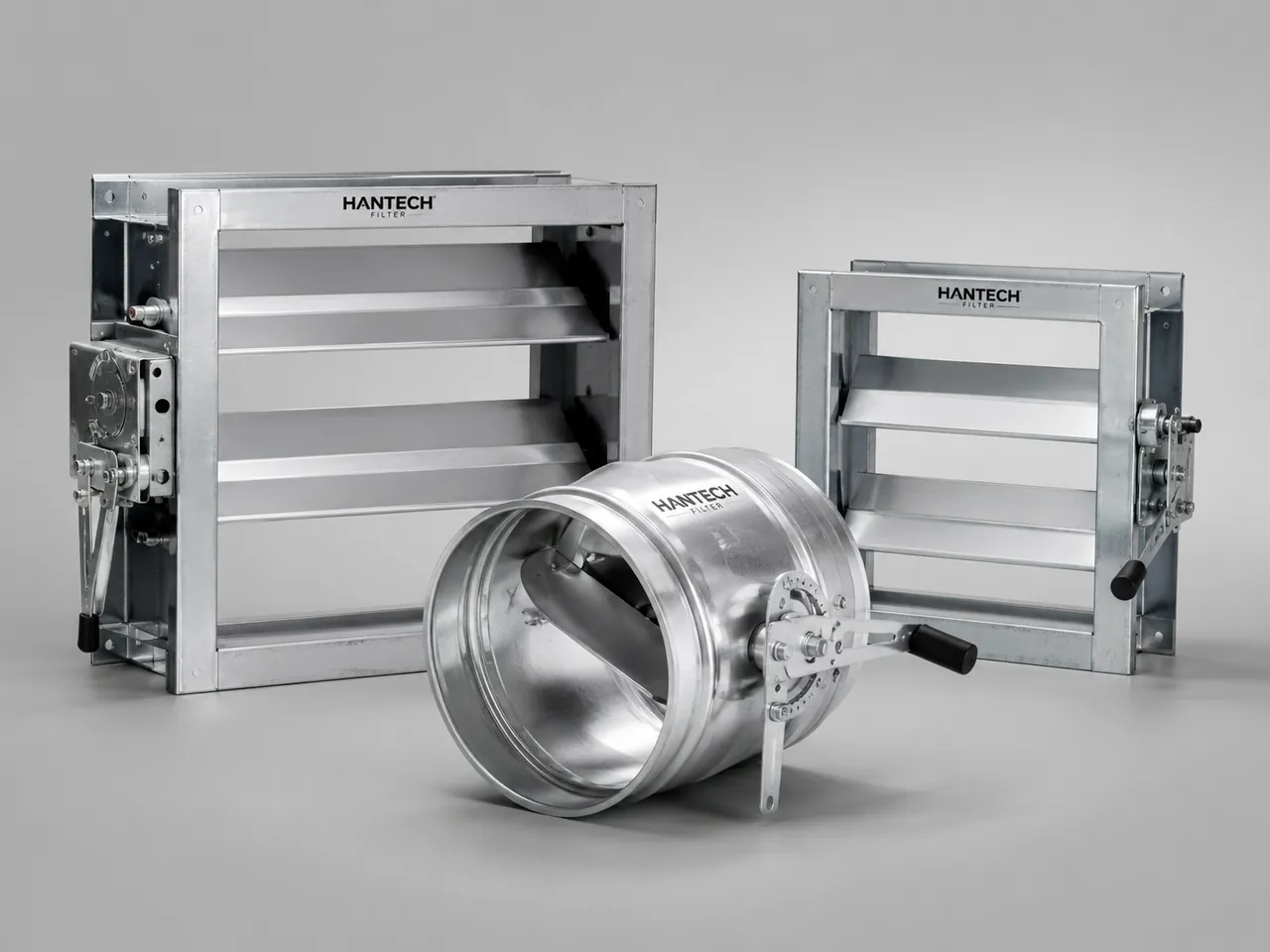 Blog
Blog
Air/gas damper selection must be made based on type, the leakage class concept, actuator-material compatibility, the fail-safe position, and whether the duty is branch balancing or isolation.
Read the articleShare your process details, and we'll prepare a quote backed by the relevant product and engineering assessment.