Home/Blog/Dust Collection Systems

Dust Collection Systems

A system-level approach covering the baghouse filter, dust collector, cyclone separator, pulse-jet cleaning, and hopper discharge.

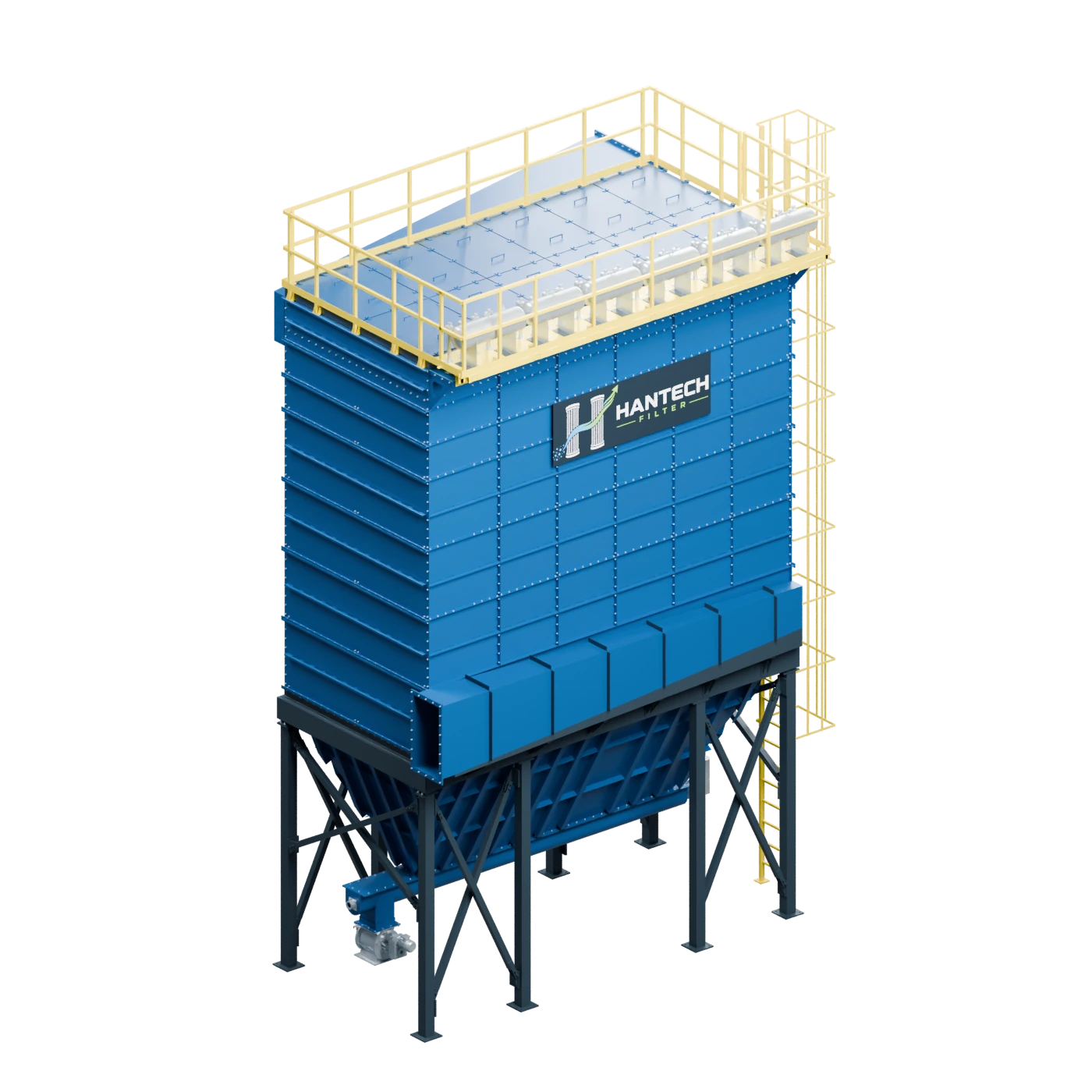
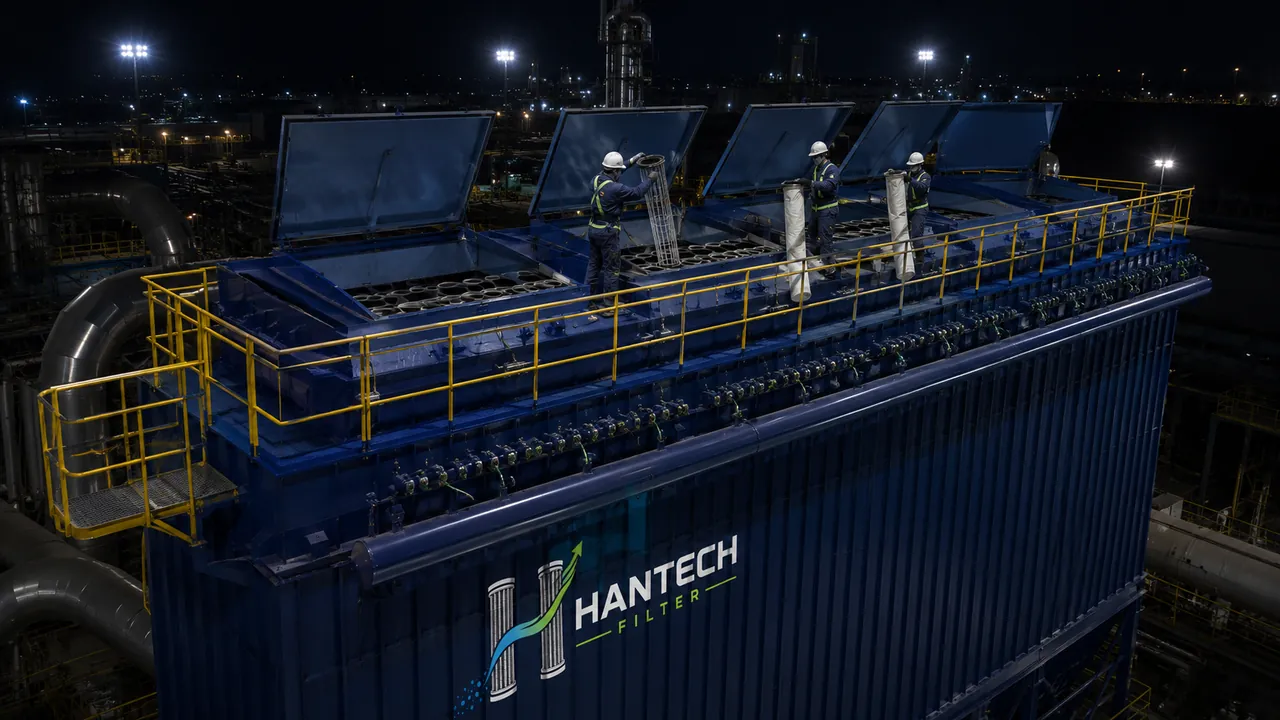
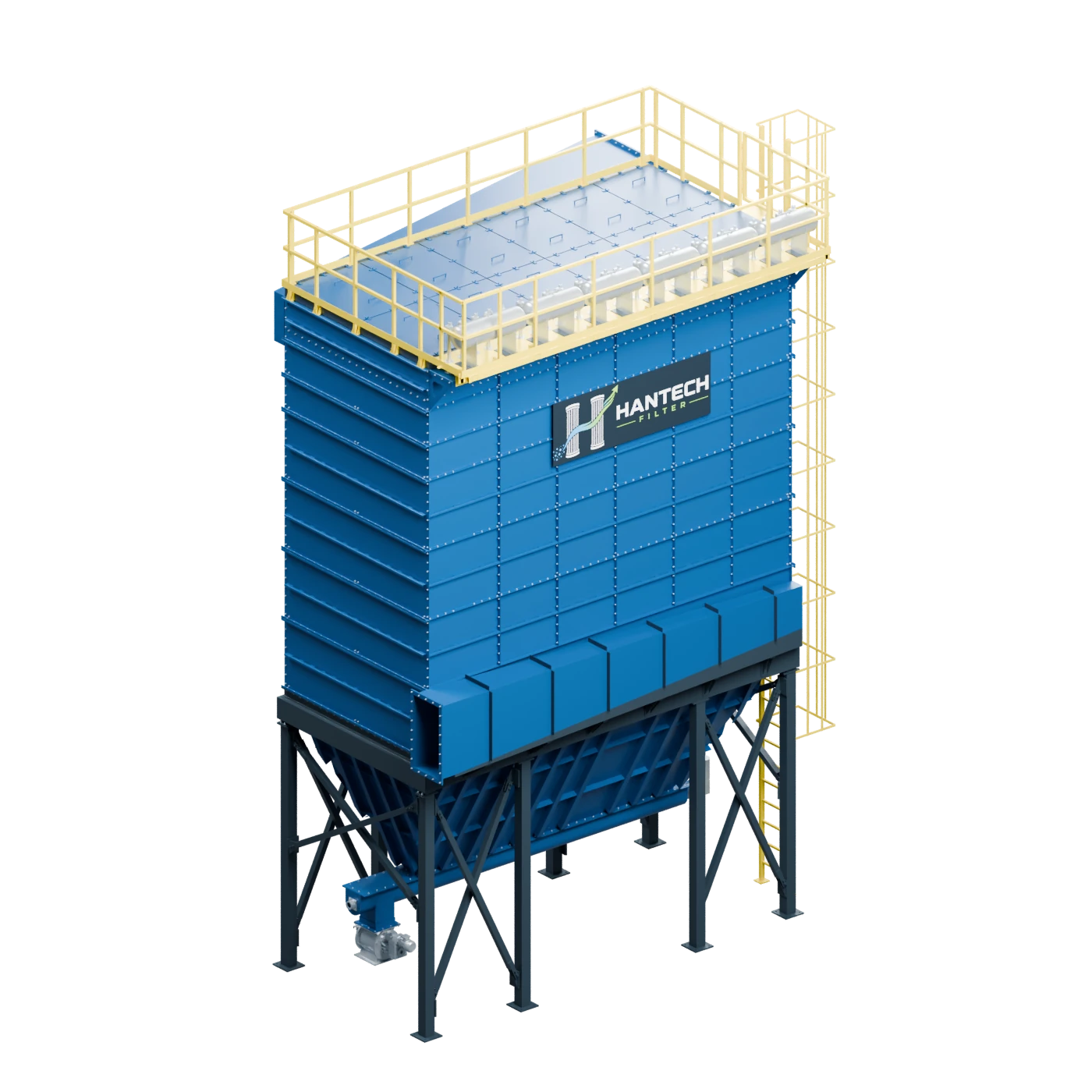
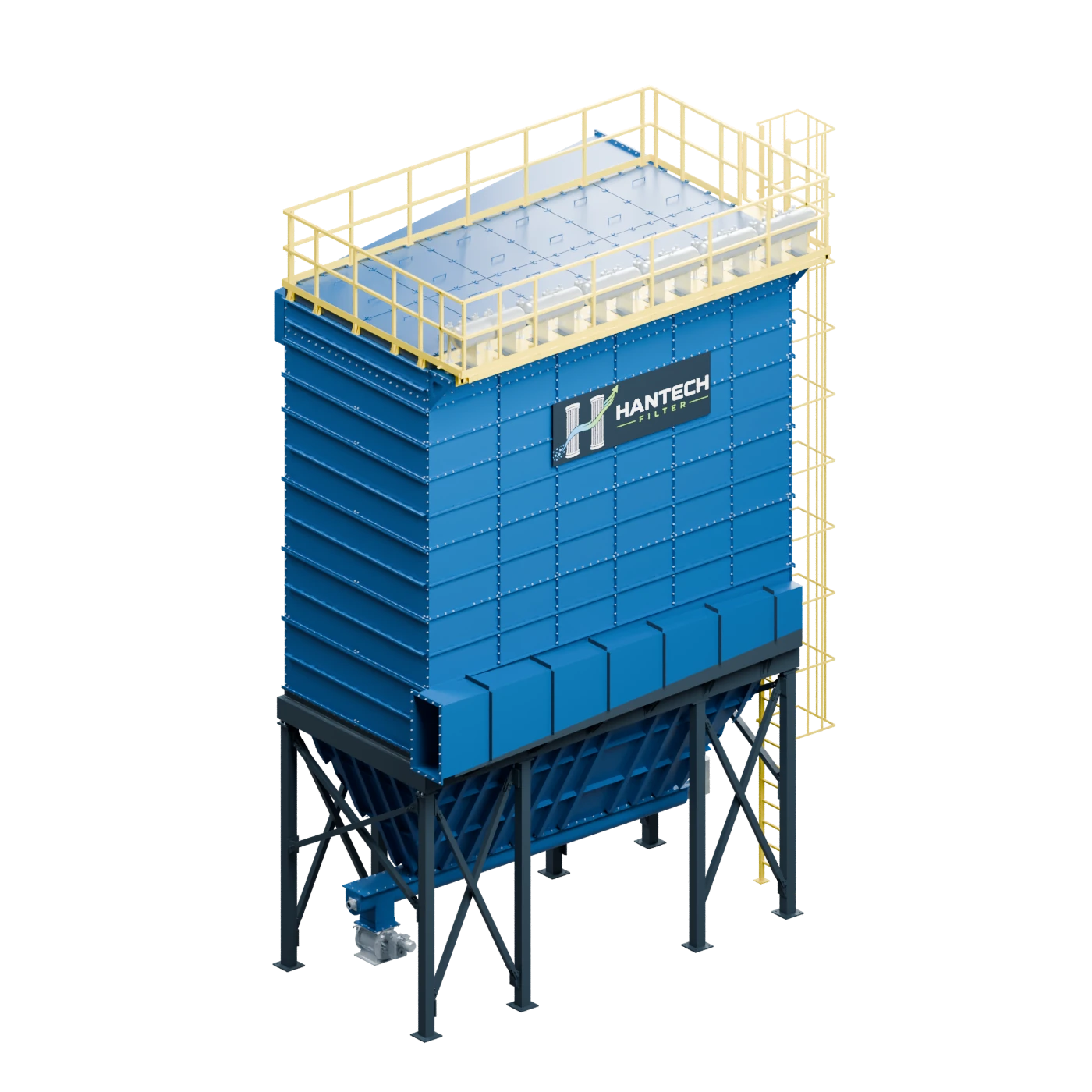
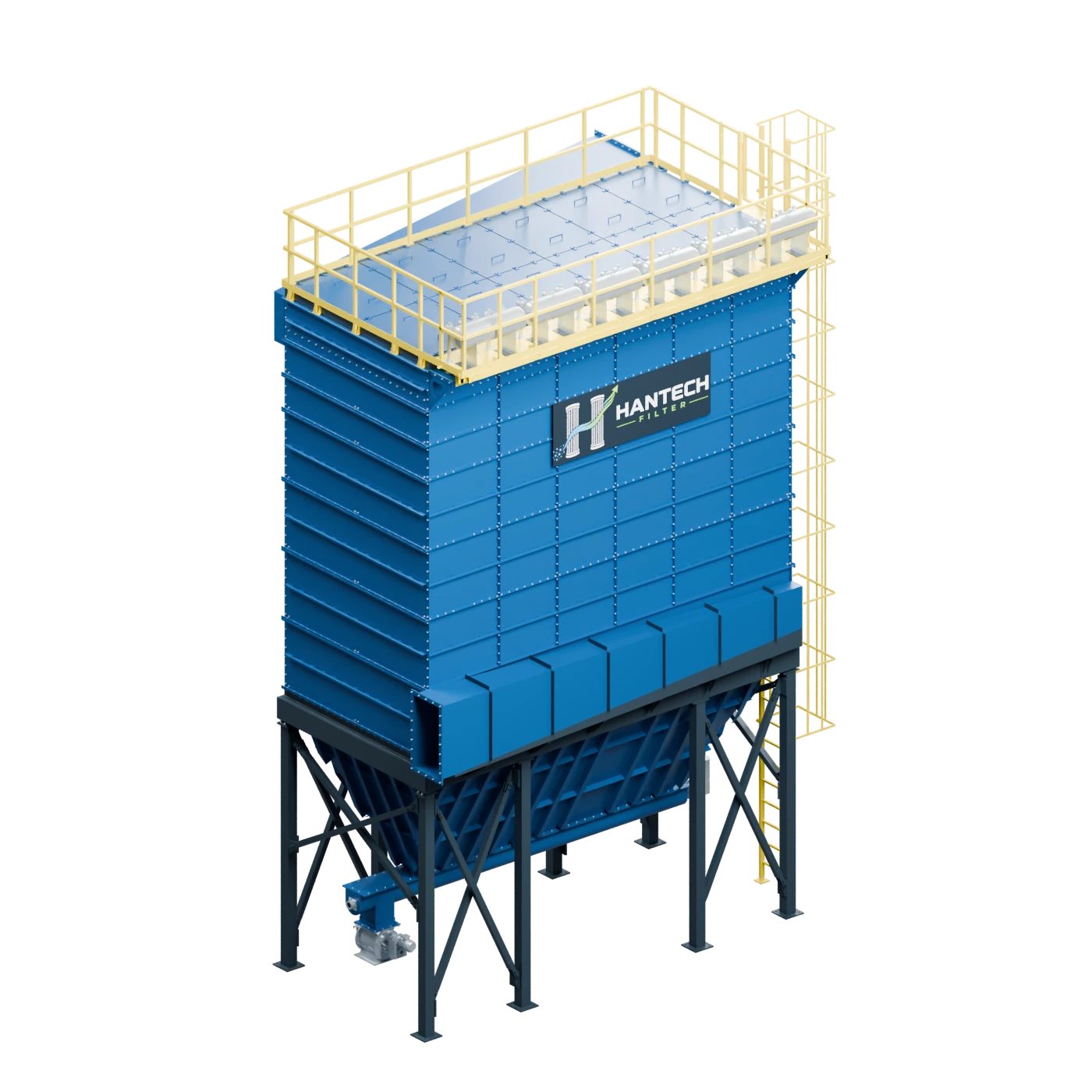
Dust Collection Systems Hantech Filter topic hub image
Technical subject

Dust Collection Systems technical content

This section contains technical blog content that brings together Hantech Filter's product, process, and field experience. If your requirement is already clear, you can go straight to the product page or the quote form.

Posts in the publication

Technical guides for Dust Collection Systems

You can start reading published articles related to this topic here.

How Is an Industrial Dust Collection System Selected? A Technical GuideBlog

How Is an Industrial Dust Collection System Selected? A Technical Guide

When selecting an industrial dust collection system, flow rate, dust characteristics, temperature, humidity, filter area, differential pressure, air handling equipment and emission target must all be evaluated together.

Read the article
Most Common Failures in Silo-Top Filters and Maintenance ChecklistBlog

Most Common Failures in Silo-Top Filters and Maintenance Checklist

Silo-top filter failures are often not caused solely by a bag, cartridge, or valve problem; fill rate, tanker pressure, pulse air, the safety valve, leakage above the hopper, moisture, fine dust, and maintenance access must all be checked together.

Read the article
When Is a Baghouse Filter Retrofit Needed? Retrofit or New Investment?Blog

When Is a Baghouse Filter Retrofit Needed? Retrofit or New Investment?

The decision to renew a baghouse filter should be made by reviewing the dP trend, emission behavior, air-handling equipment operating point, housing tightness, pulse-jet system, filter area, hopper discharge, process capacity, and maintenance cost together. Not every high dP means a new filter investment is needed; however, at some sites retrofit may no longer be sufficient.

Read the article
Why Does Pressure Drop Rise in Baghouse Filters? dP Increase, Pulse-Jet Cleaning and Bag LifeBlog

Why Does Pressure Drop Rise in Baghouse Filters? dP Increase, Pulse-Jet Cleaning and Bag Life

Pressure drop in a baghouse filter can rise due to a high A/C ratio, incorrect bag media, moist or fine dust, weak pulse-jet cleaning, the air-handling equipment operating point, and hopper discharge problems. When the dP trend is read correctly, bag life, extraction performance, and energy consumption can all be improved together.

Read the article
What Is a Baghouse Filter? Where Is It Used?Blog

What Is a Baghouse Filter? Where Is It Used?

Baghouse filter systems pass dust-laden air through filter bags in industrial processes to provide clean air and controlled dust discharge.

Read the article
Differences Between Bag Filter and Dust CollectorBlog

Differences Between Bag Filter and Dust Collector

Bag filter usually refers to the baghouse filter housing itself, while dust collector refers to the broader dust collection system, including the air equipment, hopper, pulse system, and ductwork.

Read the article
How Does a Pulse-Jet Cleaning System Work?Blog

How Does a Pulse-Jet Cleaning System Work?

In a pulse-jet system, compressed air cleans the bags with short bursts; the valve, air tank, blow pipe, and differential pressure control work together.

Read the article
How Is a Pulse-Jet Valve Fault Diagnosed? Diaphragm, Coil, Pressure, and Timer ChecksBlog

How Is a Pulse-Jet Valve Fault Diagnosed? Diaphragm, Coil, Pressure, and Timer Checks

A pulse-jet valve failure shows up as rising differential pressure across the baghouse filter, a weak cleaning pulse sound, continuous air leakage, a torn diaphragm, a burnt-out coil, or a timer signal fault. For accurate diagnosis, the valve should not be checked in isolation; air tank pressure, blow pipe alignment, compressor capacity, pulse duration, and filter bag behavior must all be checked together.

Read the article