Differential-pressure guarantee
We define the filter pressure-drop range together with gas flow, dust loading and cleaning settings. Acceptance measurements refer to agreed steady operating conditions.

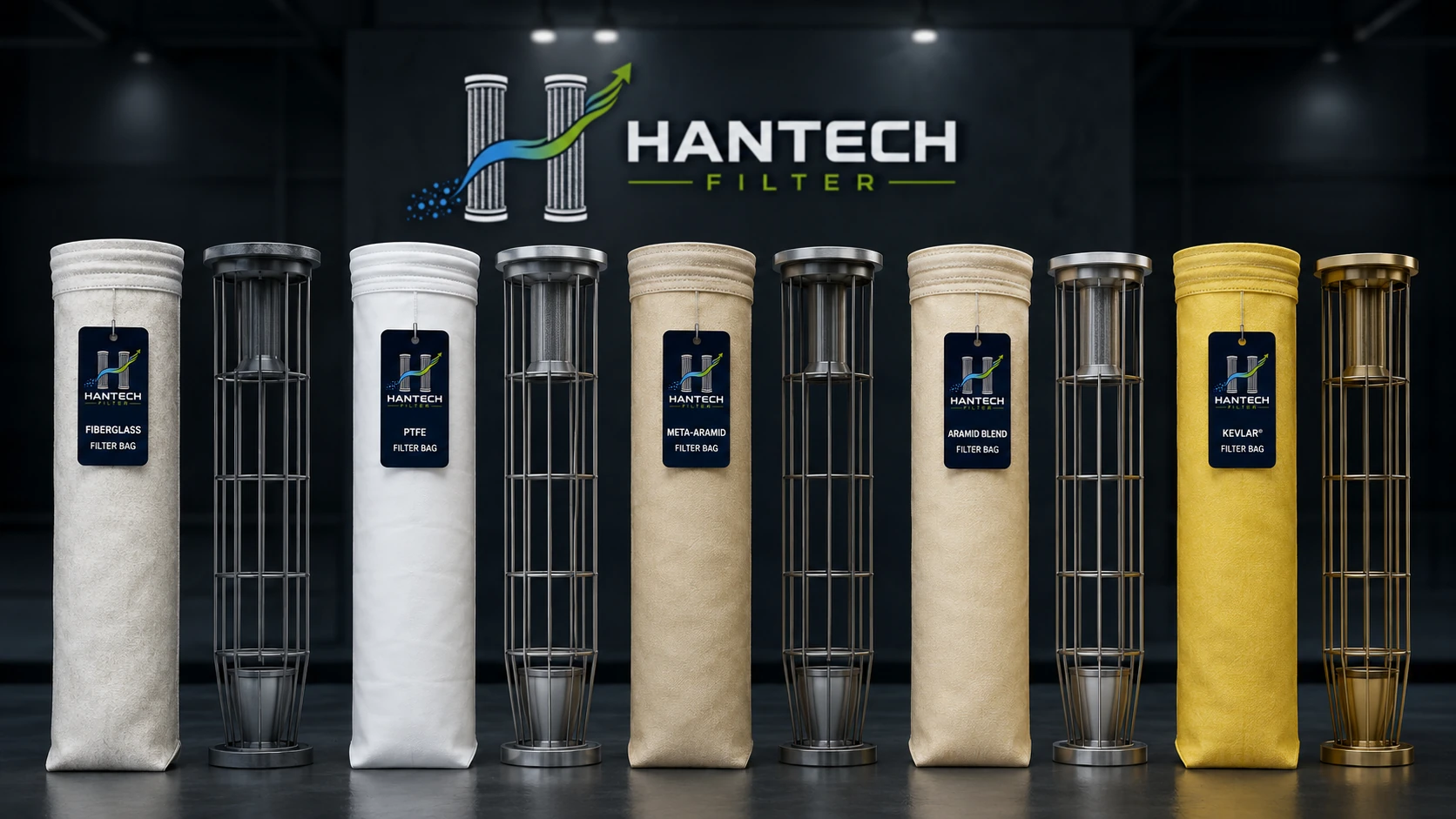
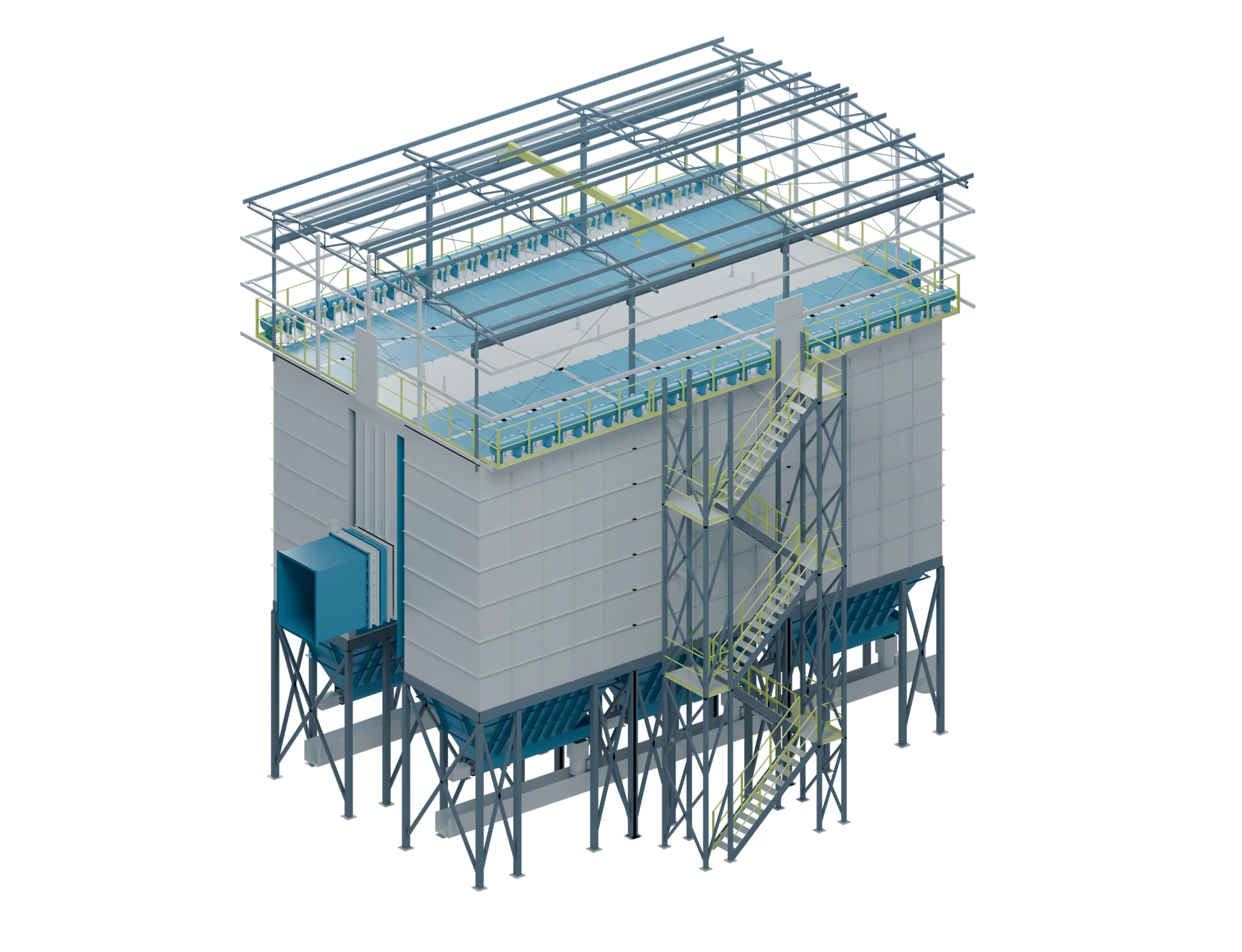
We design and manufacture process filters around your production line, dust properties, gas conditions and operating pattern. Smart differential-pressure control, online / offline cleaning and balanced gas distribution bring emissions, compressed-air use and maintenance into one engineering approach.
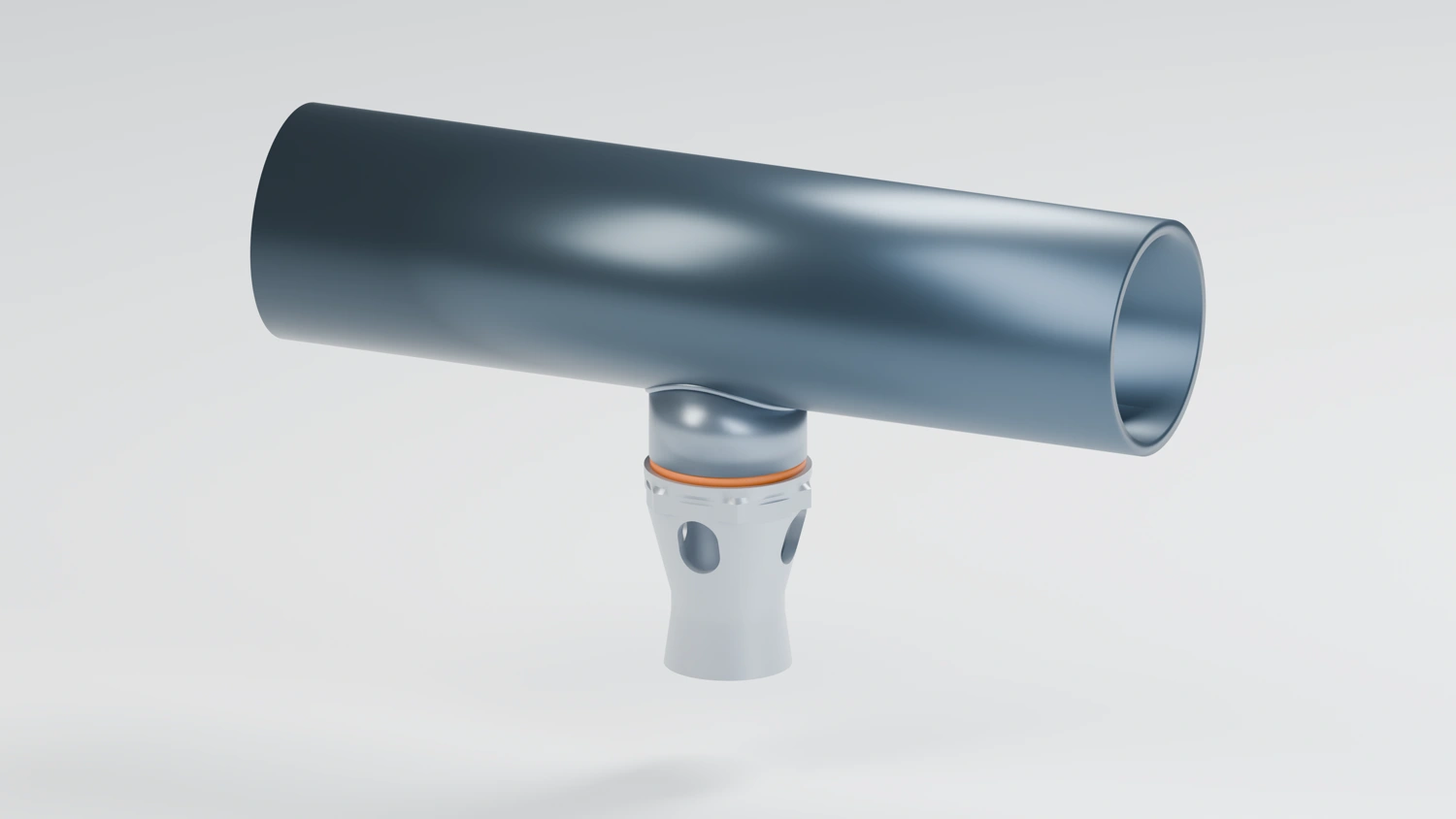
Our nozzle development focuses on directing the primary jet along the bag axis and entraining secondary air through side openings. A replaceable design with a suitable collar supports blowpipe installation and service access.
Differential-pressure cleaning and correct nozzle alignment are considered together to achieve the required cleaning effect with more controlled compressed-air use. Fit is assessed against blowpipe, nozzle, venturi and bag geometry.
Air savings are determined by comparative measurement under equivalent process conditions while maintaining cleaning performance. The nozzle is in development; no numerical saving rate has yet been validated.
We define the filter pressure-drop range together with gas flow, dust loading and cleaning settings. Acceptance measurements refer to agreed steady operating conditions.
Outlet dust concentration, gas reference conditions and the measurement method are defined in writing in the proposal.
Media selection and warranty duration are established for the project, based on temperature, chemistry, moisture, abrasion and operating conditions.
Guaranteed flow, system resistance and measurement locations are defined together. Gas distribution and interstitial velocity are included in the design checks.
Guarantee values and durations are established in the project proposal against agreed process data, operating limits, maintenance conditions and acceptance testing.
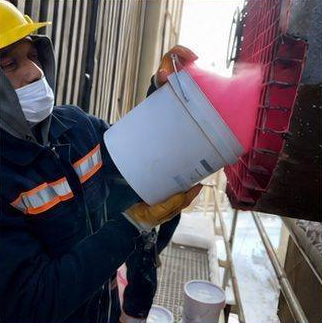
Original test photographs from our archive. Tracer powder, UV inspection and location-specific records are used to inspect bags, seals and tubesheets for leaks.
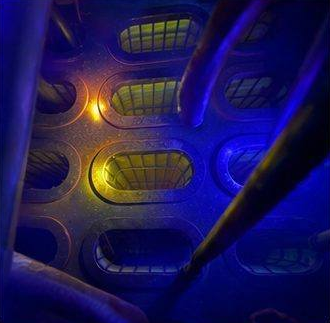
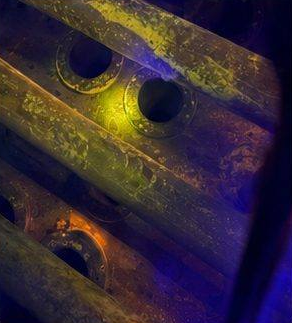
Cleaning starts and stops according to the pressure difference across the filter. Threshold and cycle settings reduce unnecessary pulses and control compressed-air consumption.
Bags are cleaned sequentially while gas continues to flow. Pulse duration and intervals are adjusted to dust loading and the differential-pressure trend.
The compartment being cleaned is isolated while the others continue filtering. Isolation and settling time are engineered to limit dust re-entrainment.
Inlet distribution and compartment loading are coordinated. Interstitial velocity and internal gas distribution are assessed to reduce abrasion and uneven loading.
Media, cages, cleaning settings and access are selected together. Appropriate cleaning frequency and service access help protect bag service life.
Differential-pressure trends, cleaning cycles and alarm thresholds can be monitored. Commissioning measurements establish cleaning settings and the maintenance plan.
 Product
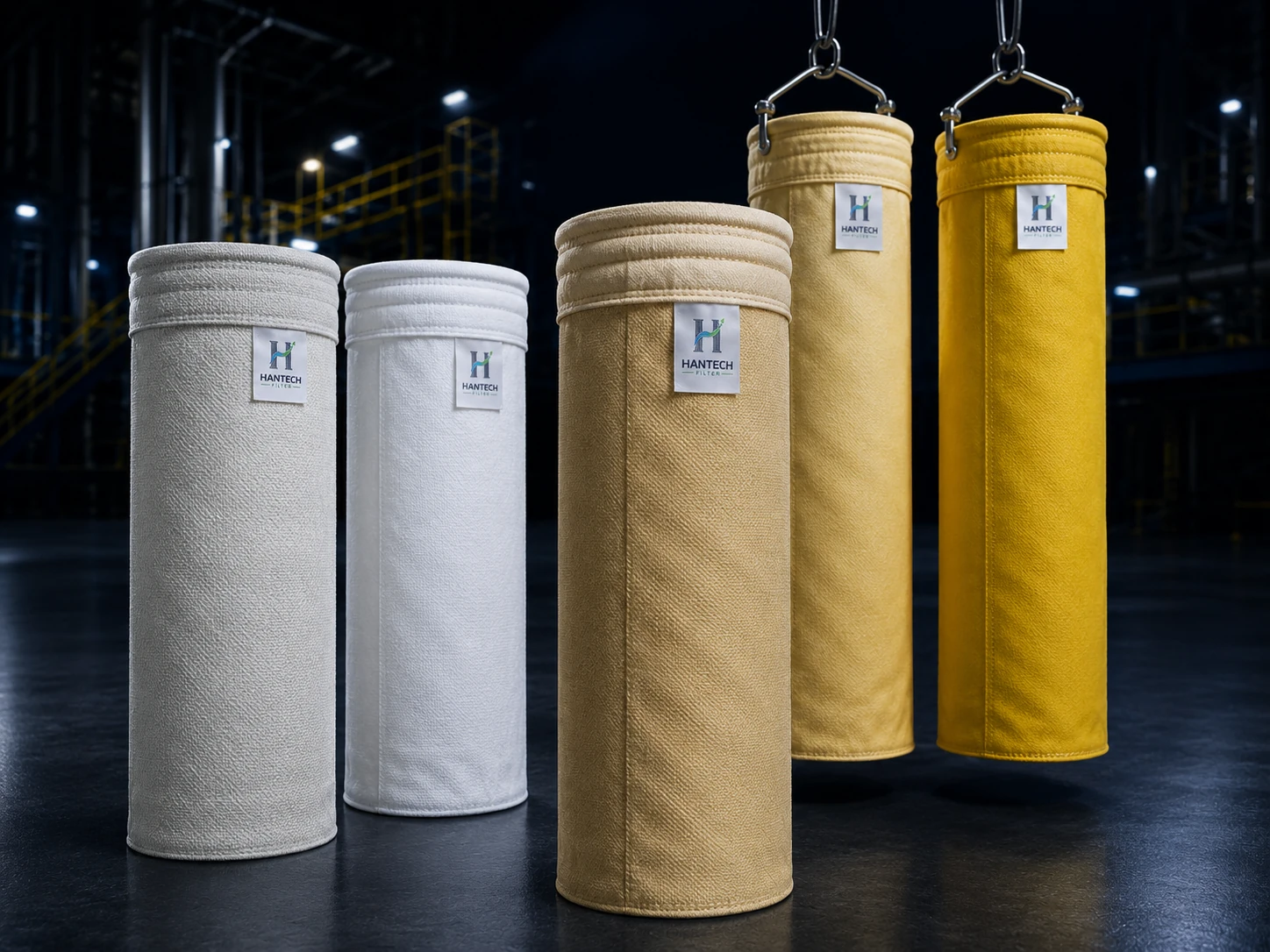
Polyester, PP, acrylic, PPS, aramid, P84, PTFE, fiberglass, antistatic, and ePTFE membrane filter bag options.
Explore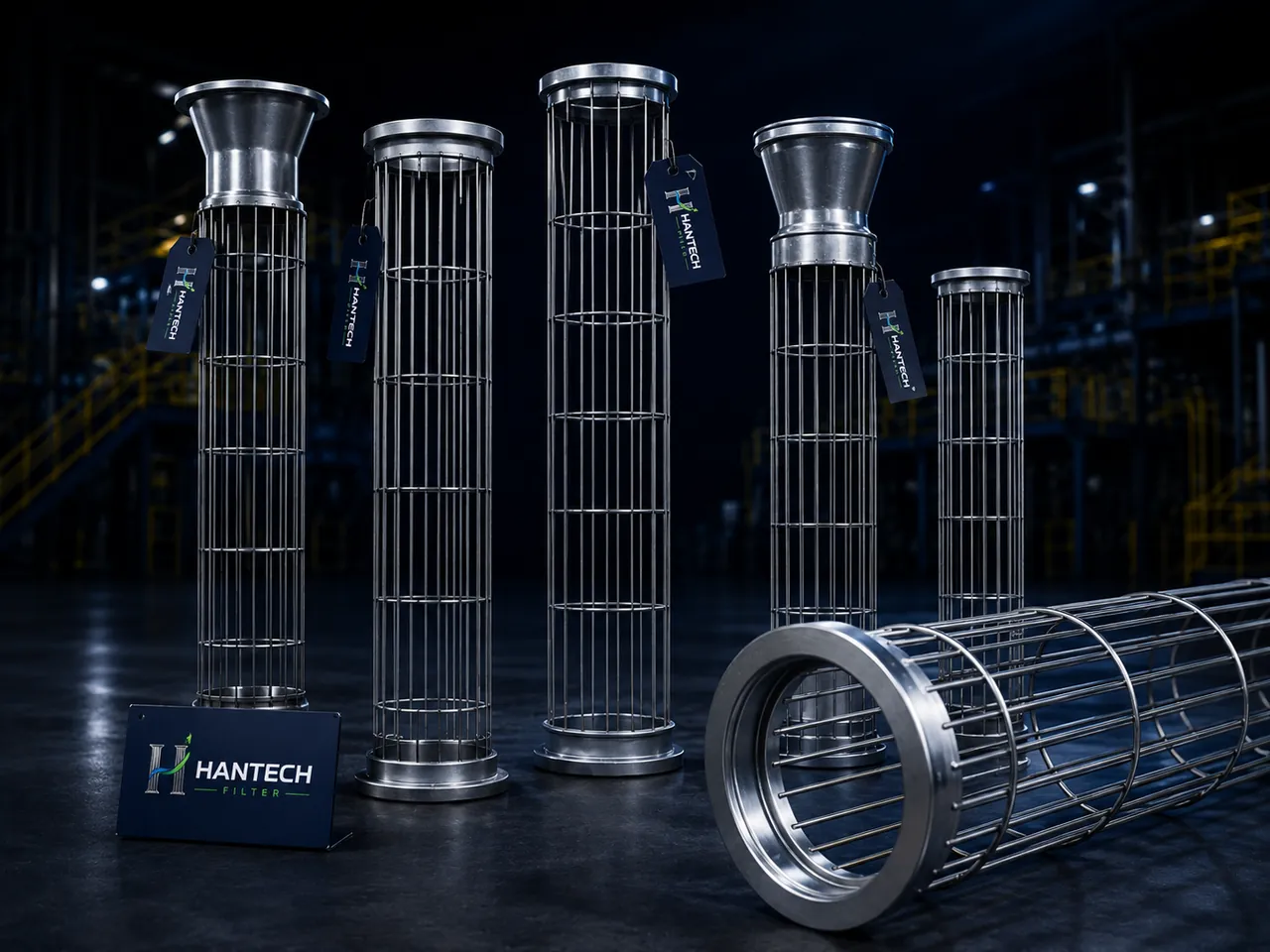 Product
Filter cage, bag cage, cataphoresis-coated cage, silicone-coated cage, SS304 venturi cage, and membrane-compatible cages.
Explore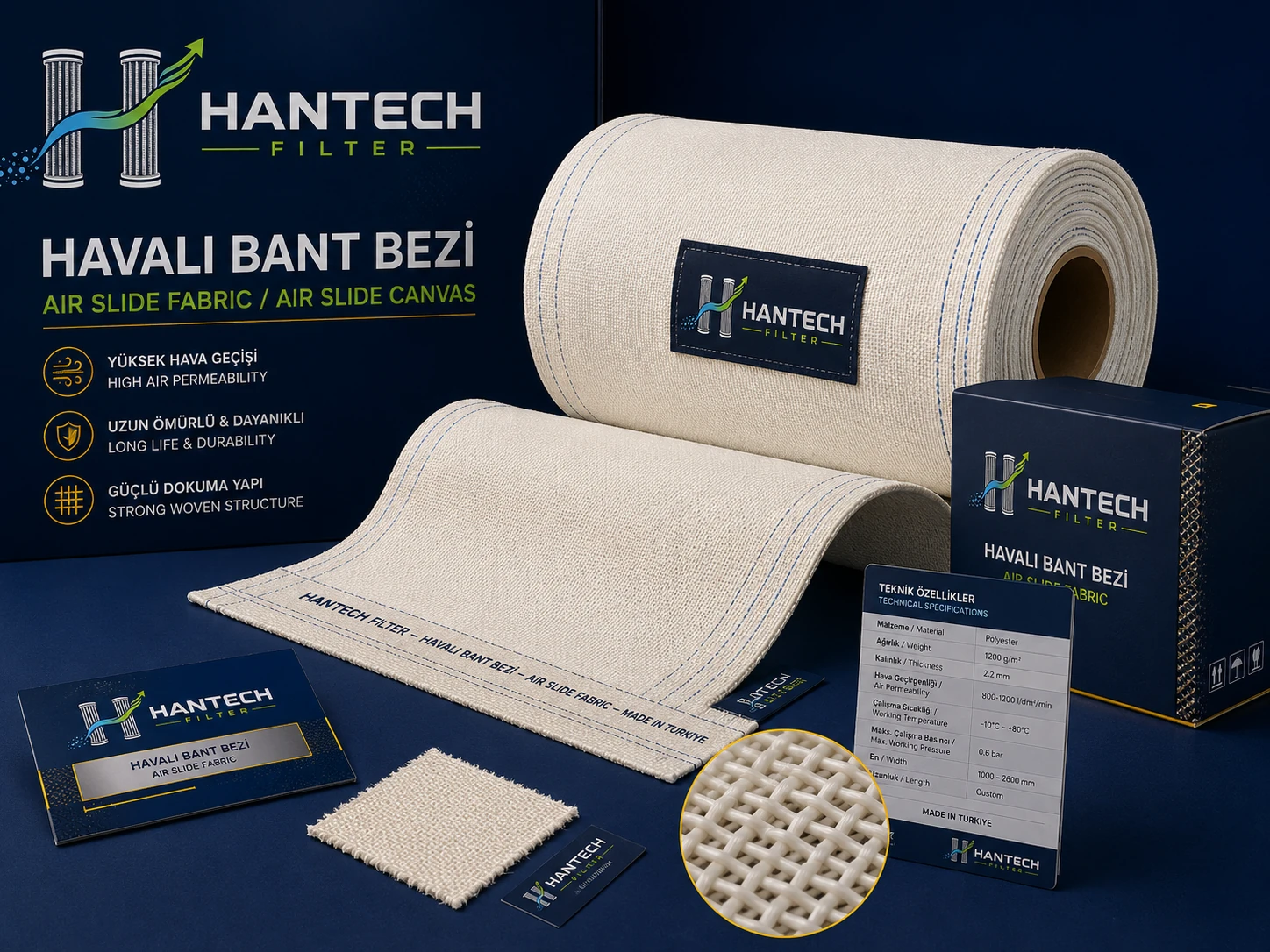 Product
Air slide fabric, air slide cloth, and cement pneumatic conveying fabrics.
Explore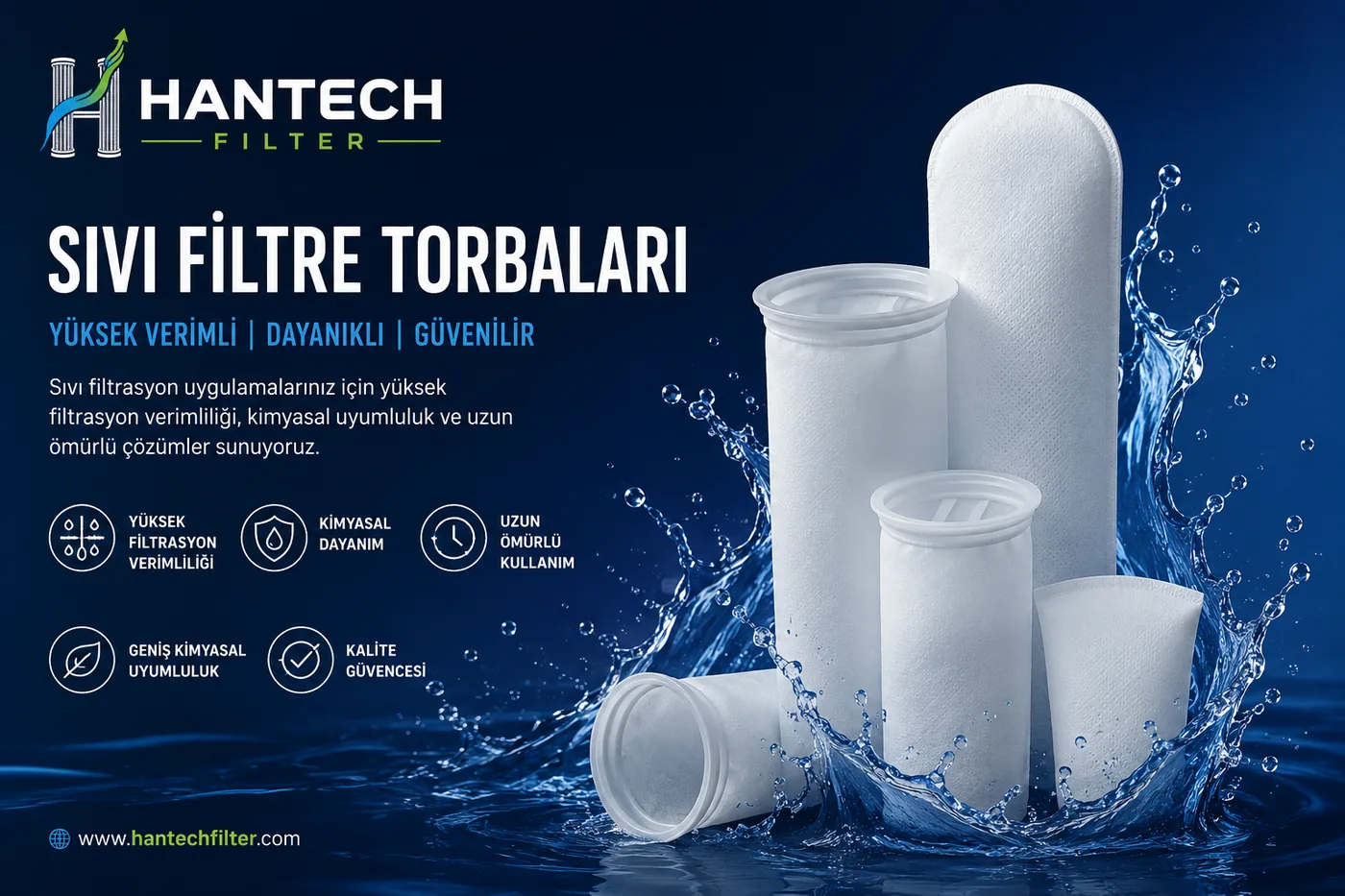 Product
Filter bags for liquid processes, cartridge/bag filter housing selection, and chemically compatible filtration solutions.
Explore