 Blog
Blog
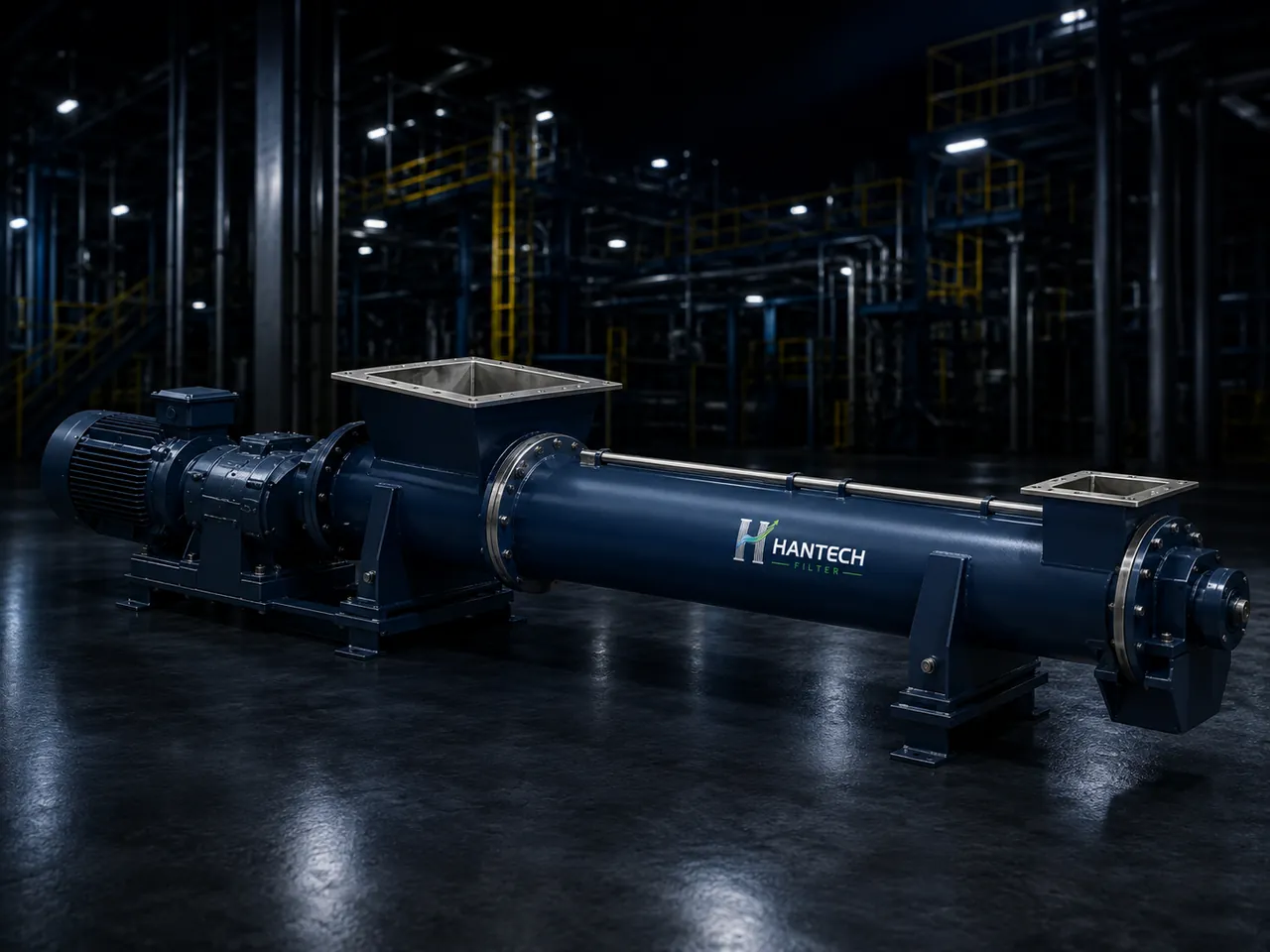
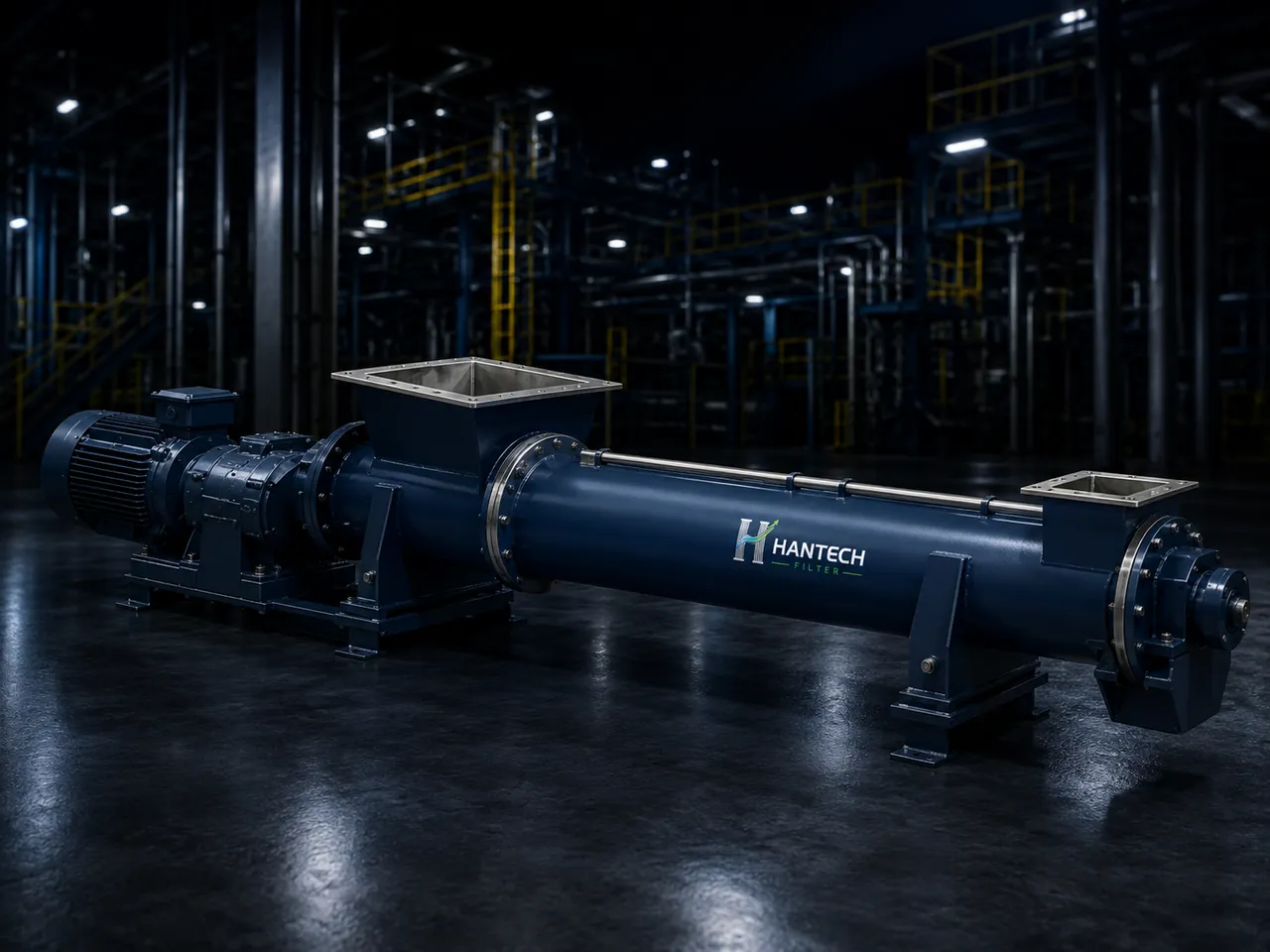
Screw Conveyor Capacity Calculation: Diameter, Speed and Bulk Density
Work through screw capacity in m³/h and t/h. Interpret fill, bulk density, inclination and feeder duty correctly, and separate capacity from motor sizing.
Read the article
This section contains technical blog content that brings together Hantech Filter's product, process, and field experience. If your requirement is already clear, you can go straight to the product page or the quote form.
You can start reading published articles related to this topic here.
Blog
Work through screw capacity in m³/h and t/h. Interpret fill, bulk density, inclination and feeder duty correctly, and separate capacity from motor sizing.
Read the article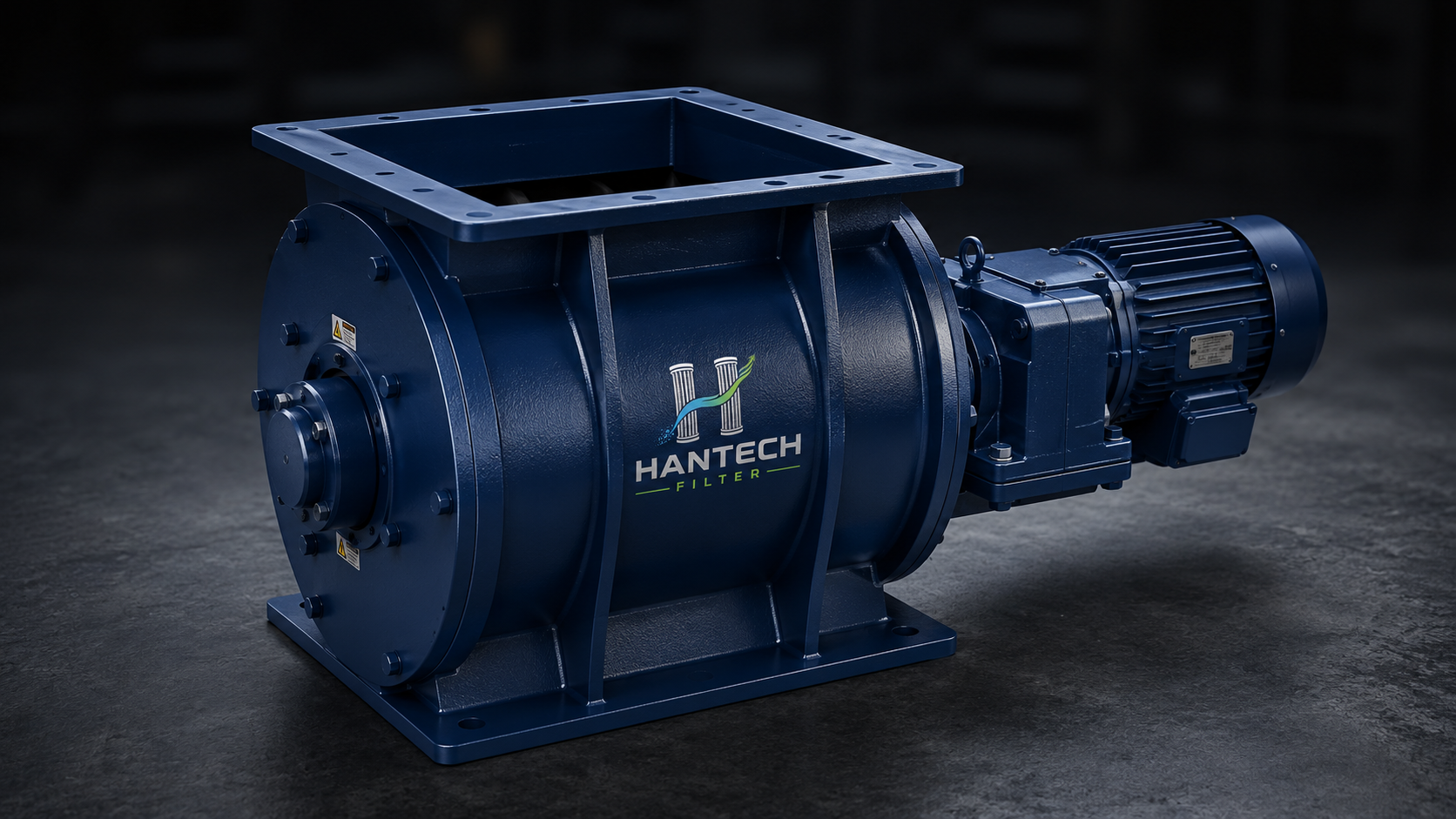 Blog
Blog
Rotary valve capacity is not selected by body diameter alone. Rotor pocket volume, speed, fill factor, bulk density, differential pressure and air leakage must be evaluated together.
Read the article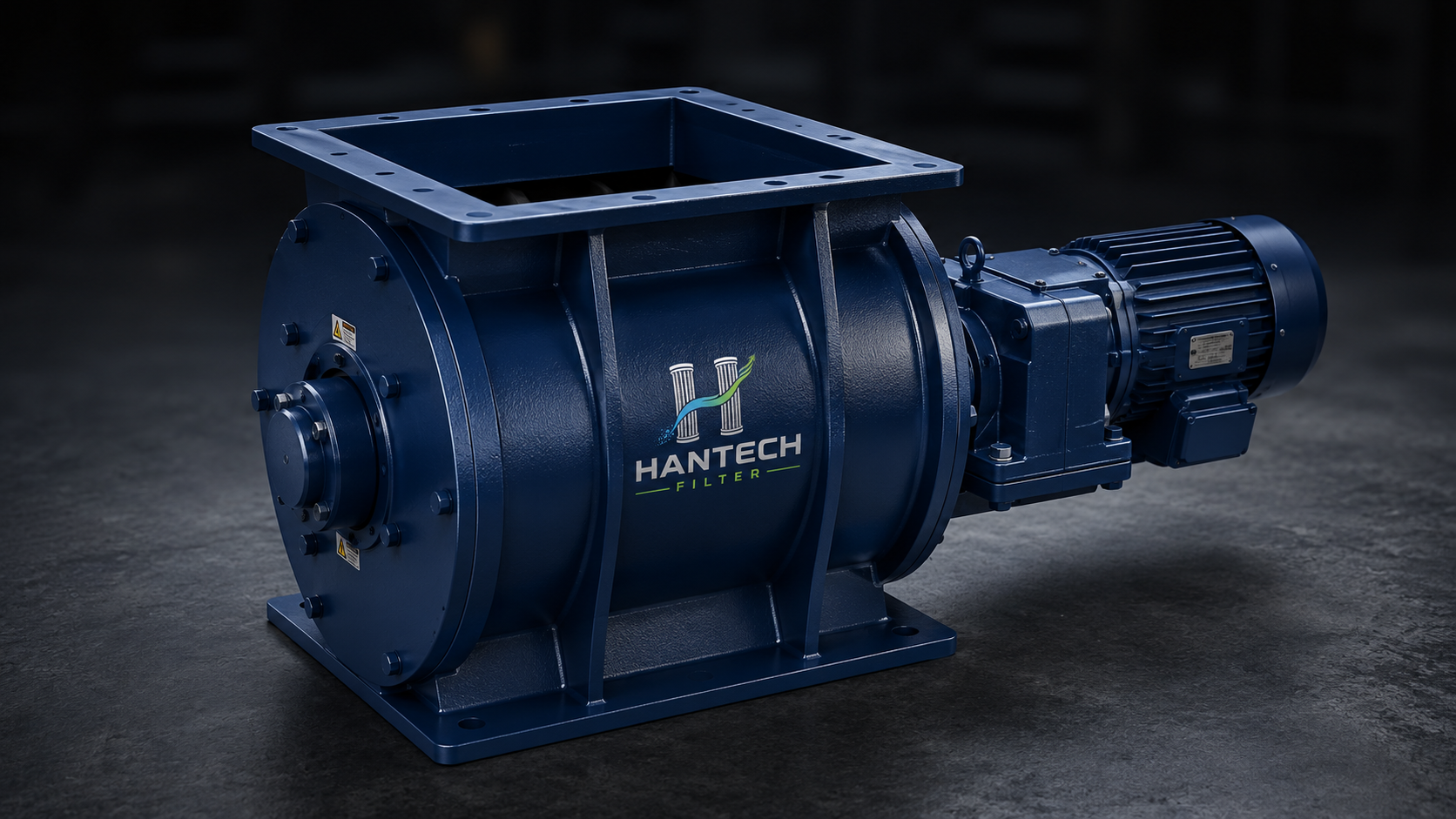 Blog
Blog
Silo equipment selection must be made by assessing the level measurement method, hopper flow geometry, discharge aids, pressure relief, and the weighing system together.
Read the article Blog
Blog
Air slide fabric selection for cement and mineral dust conveying lines should be made by evaluating air permeability, pressure, incline, dust fineness, moisture, temperature, duct width, feed arrangement, and maintenance access together.
Read the article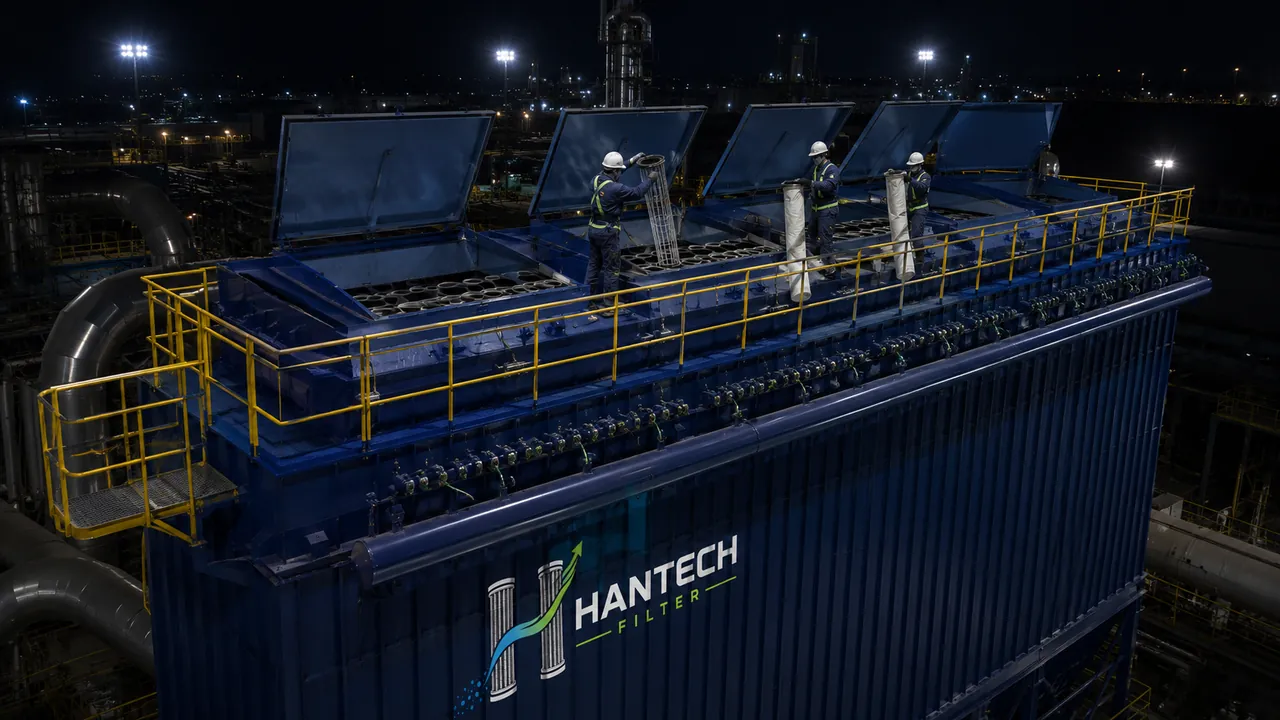 Blog
Blog
Silo-top filter failures are often not caused solely by a bag, cartridge, or valve problem; fill rate, tanker pressure, pulse air, the safety valve, leakage above the hopper, moisture, fine dust, and maintenance access must all be checked together.
Read the article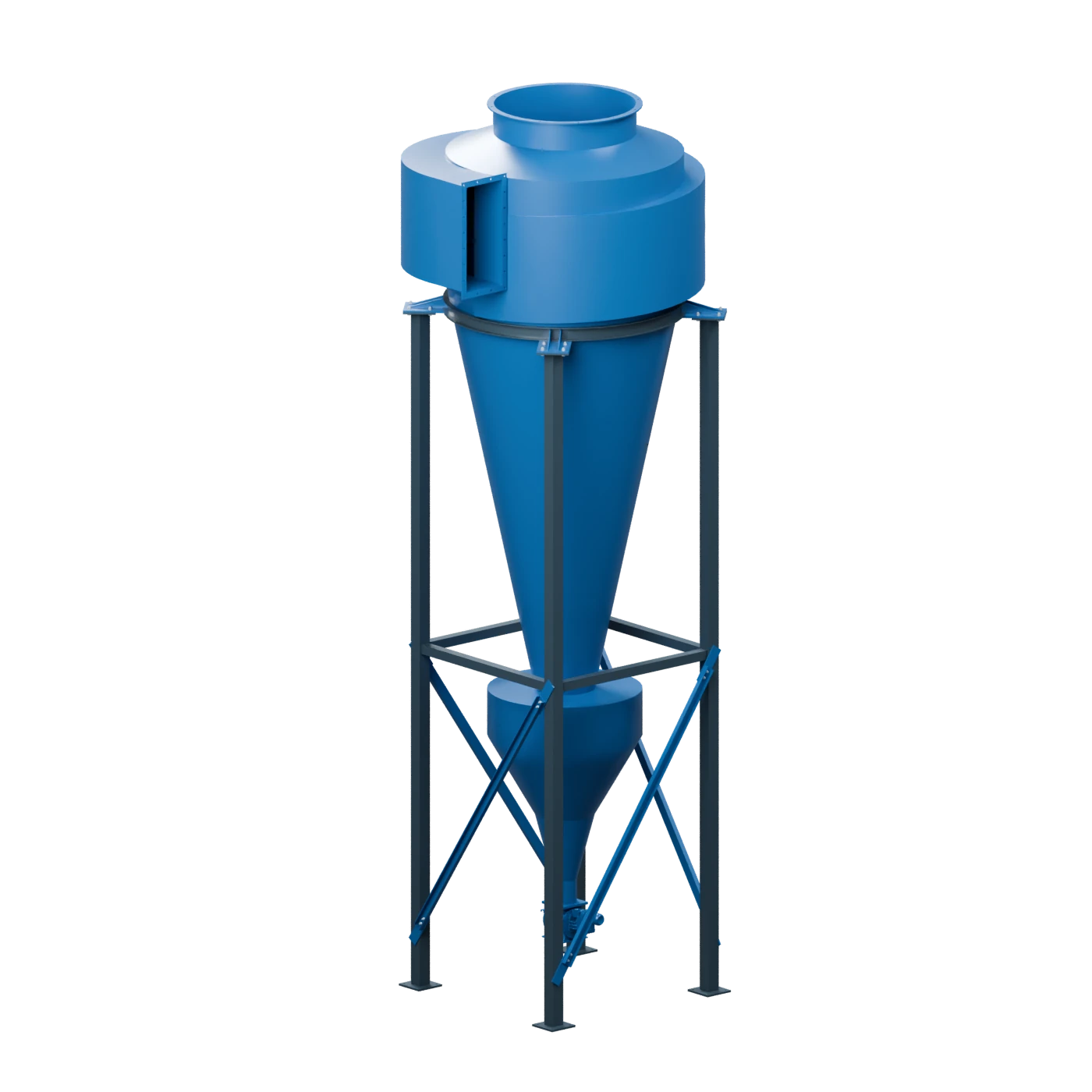 Blog
Blog
A cyclone dust collector is an industrial pre-separator that removes coarse, abrasive particles by centrifugal action, reducing filter load, spark risk, and maintenance cost ahead of a baghouse filter.
Read the article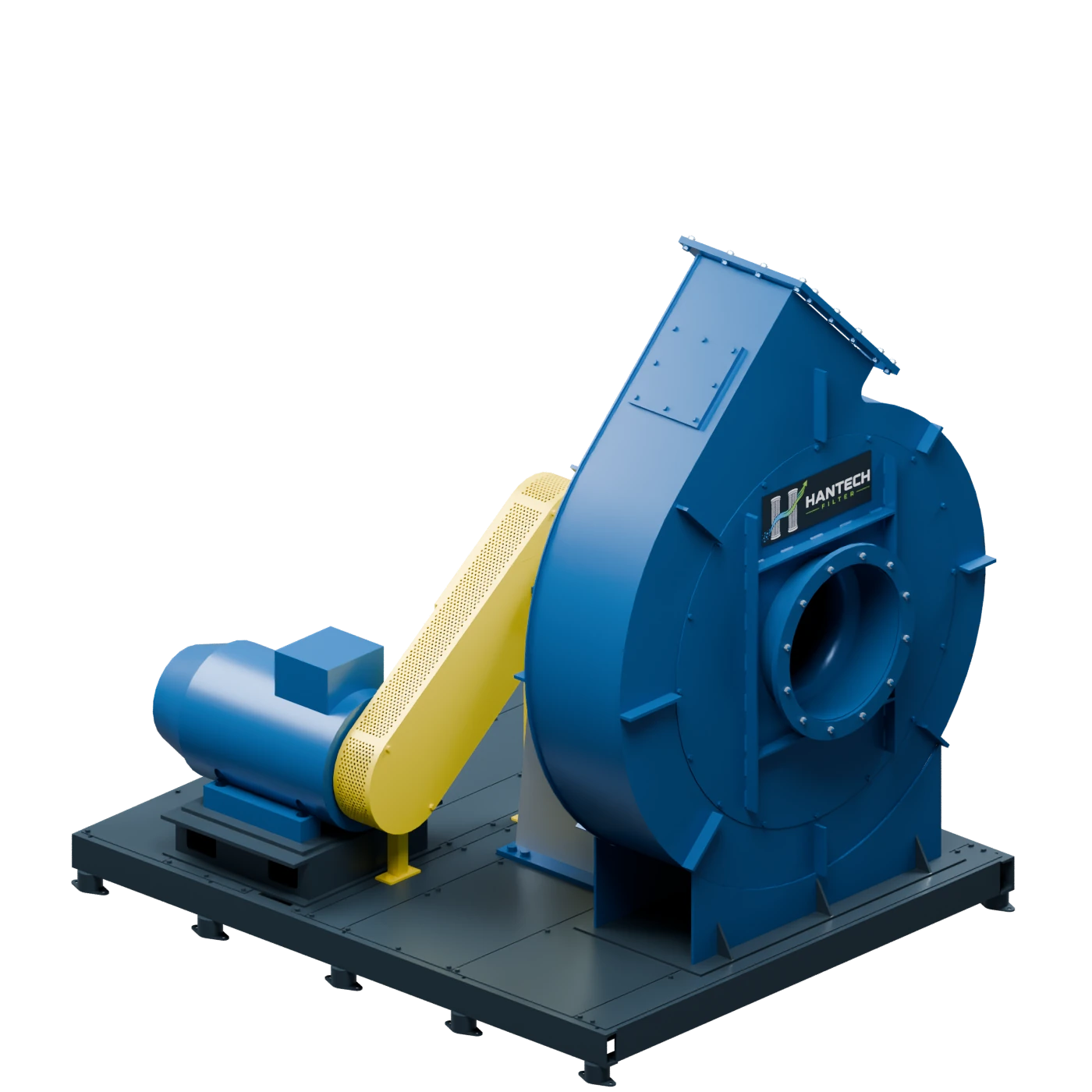 Blog
Blog
A dust bag or filter bag is the filter bag itself; a bag filter is the baghouse housing, while a dust collector means the complete dust collection solution with fan, ductwork, hopper, and cleaning system.
Read the article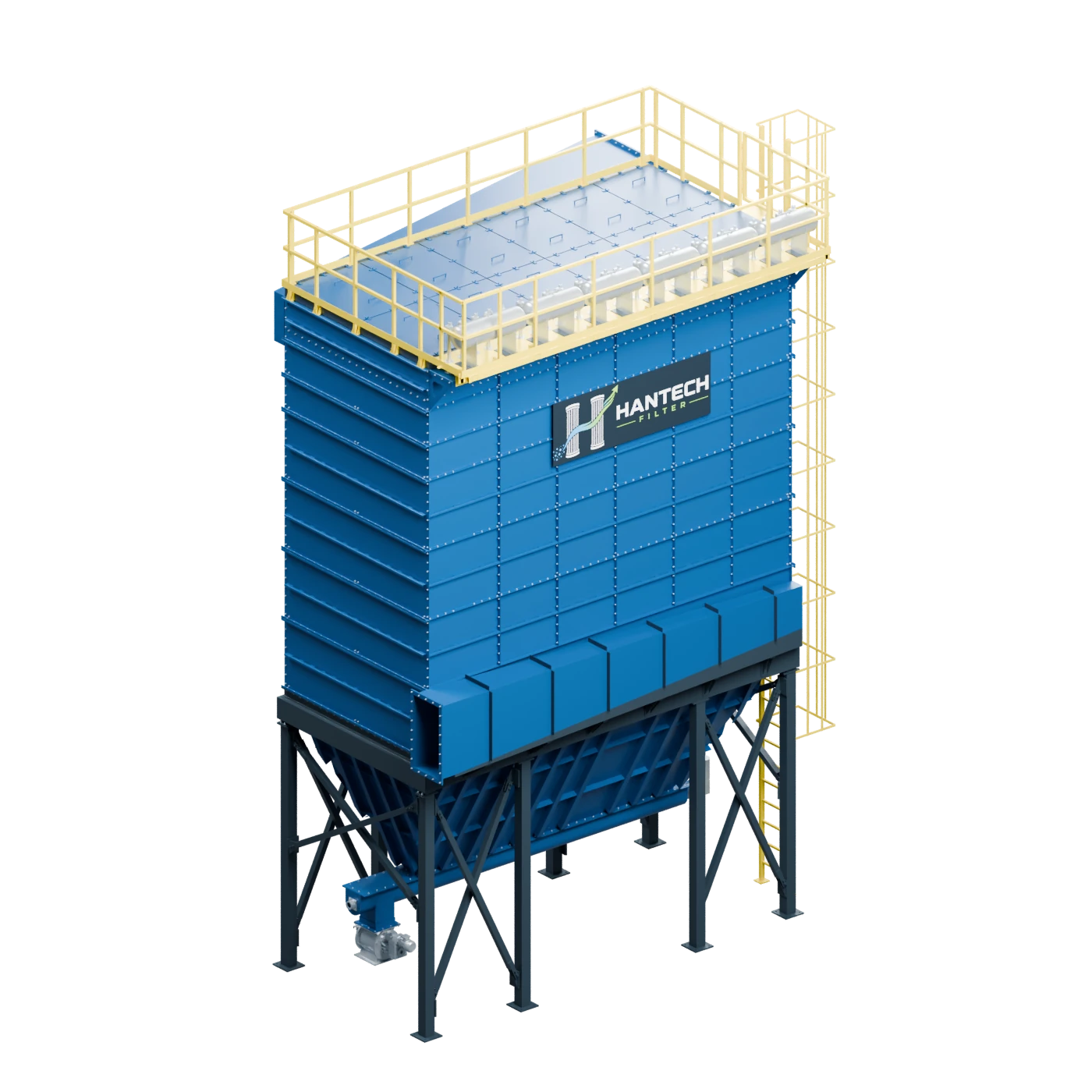 Blog
Blog
Baghouse filter systems pass dust-laden air through filter bags in industrial processes to provide clean air and controlled dust discharge.
Read the article