 Blog
Blog
How to Select Filter Bags for an Asphalt Plant
A worked technical guide to asphalt filter bag selection using temperature, moisture, gas chemistry, actual flow and air-to-cloth ratio.
Read the article
This section contains technical blog content that brings together Hantech Filter's product, process, and field experience. If your requirement is already clear, you can go straight to the product page or the quote form.
You can start reading published articles related to this topic here.
Blog
A worked technical guide to asphalt filter bag selection using temperature, moisture, gas chemistry, actual flow and air-to-cloth ratio.
Read the article Blog
Blog
Can velocity is the upward gas velocity through the net housing cross-section in a jet-pulse baghouse. It must not be confused with the A/C (air-to-cloth) ratio; high can velocity can carry dislodged dust back to the bags through re-entrainment. This article explains the formula, net-area calculation, a solved example, and the design impact.
Read the article Blog
Blog
Filter bag sizing is more than the width and length of a used bag. Measure the bag, cage, snap-band and tube sheet together to create a production-ready technical data set.
Read the article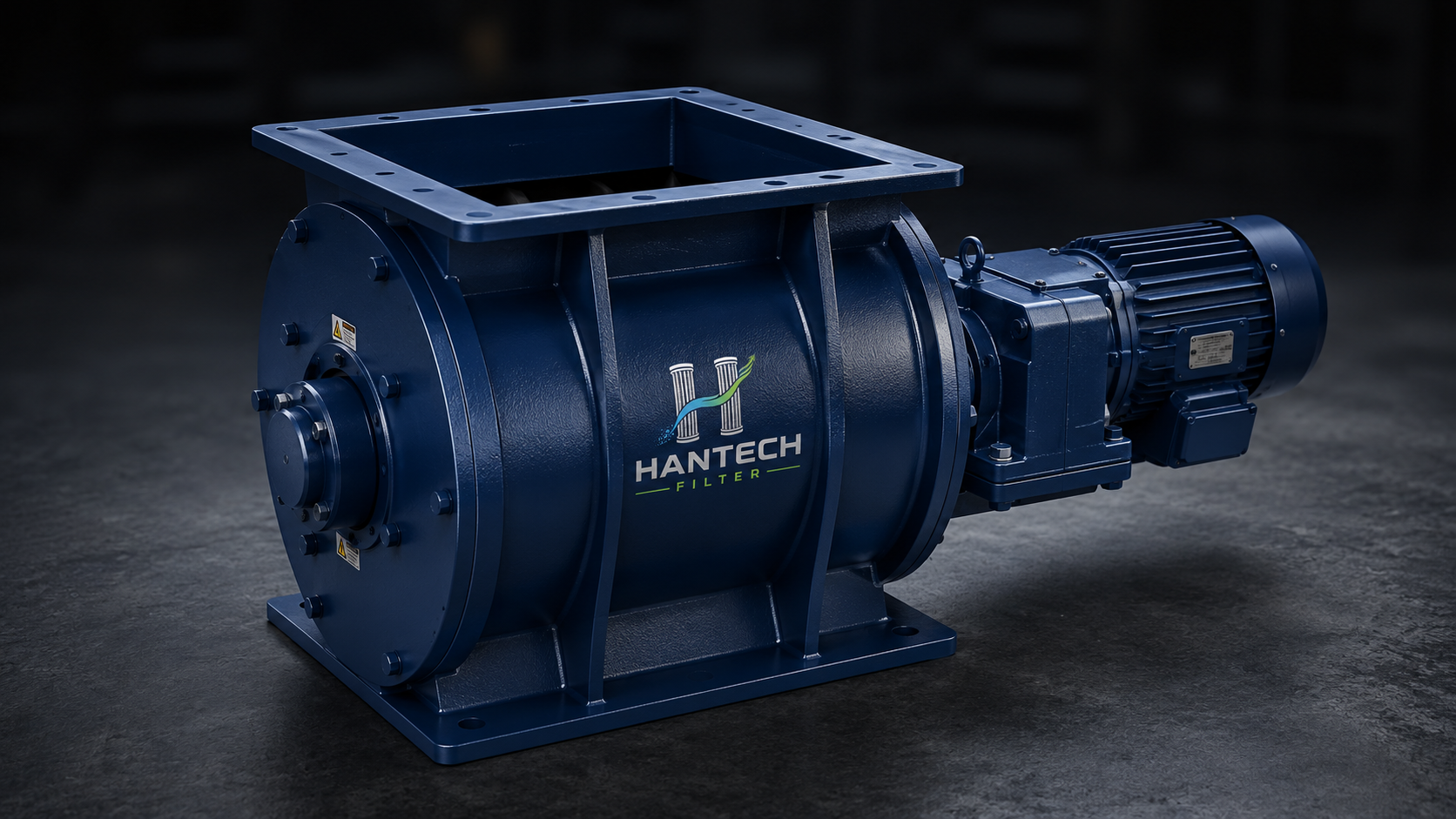 Blog
Blog
Rotary valve capacity is not selected by body diameter alone. Rotor pocket volume, speed, fill factor, bulk density, differential pressure and air leakage must be evaluated together.
Read the article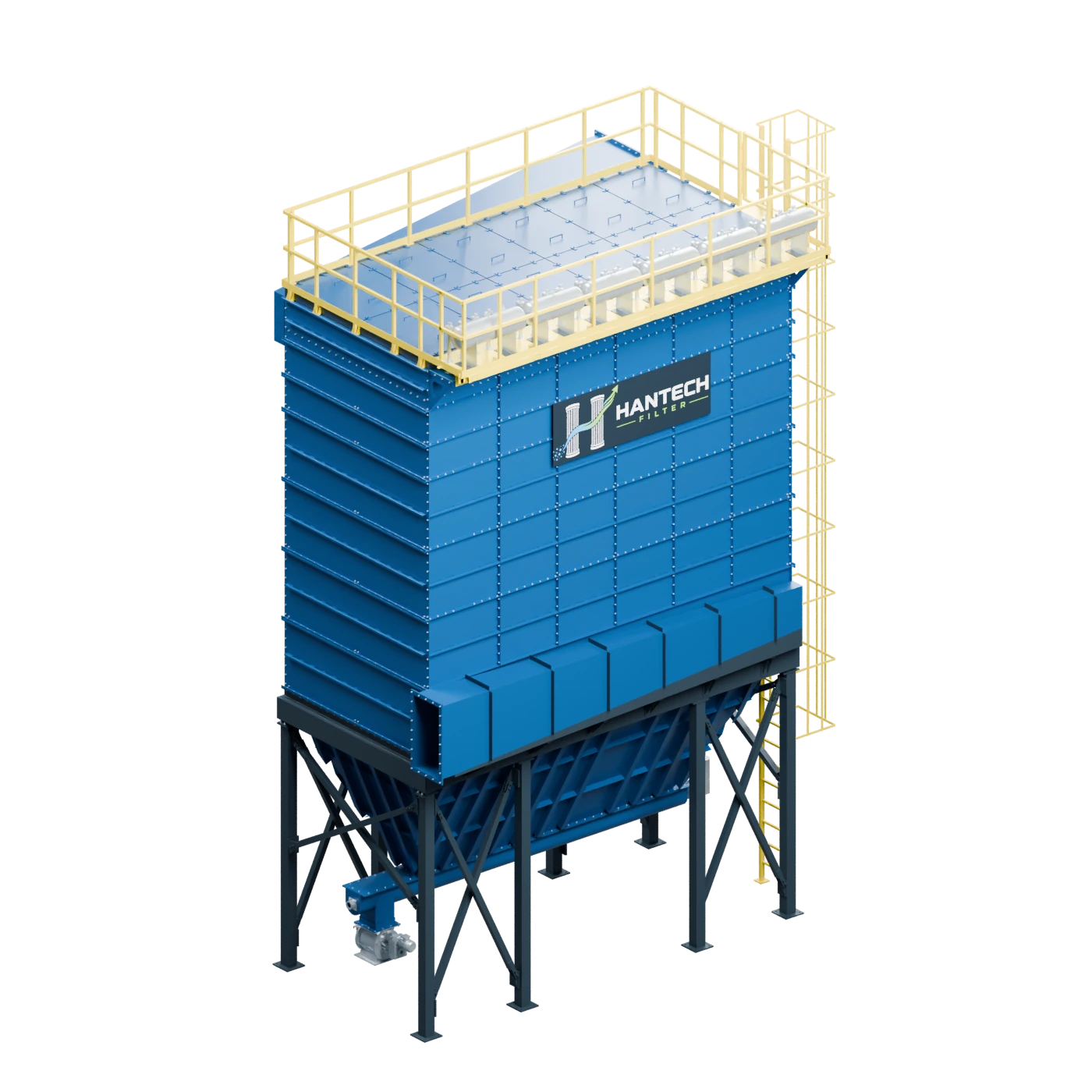 Blog
Blog
When selecting an industrial dust collection system, flow rate, dust characteristics, temperature, humidity, filter area, differential pressure, fan and emission target must all be evaluated together.
Read the article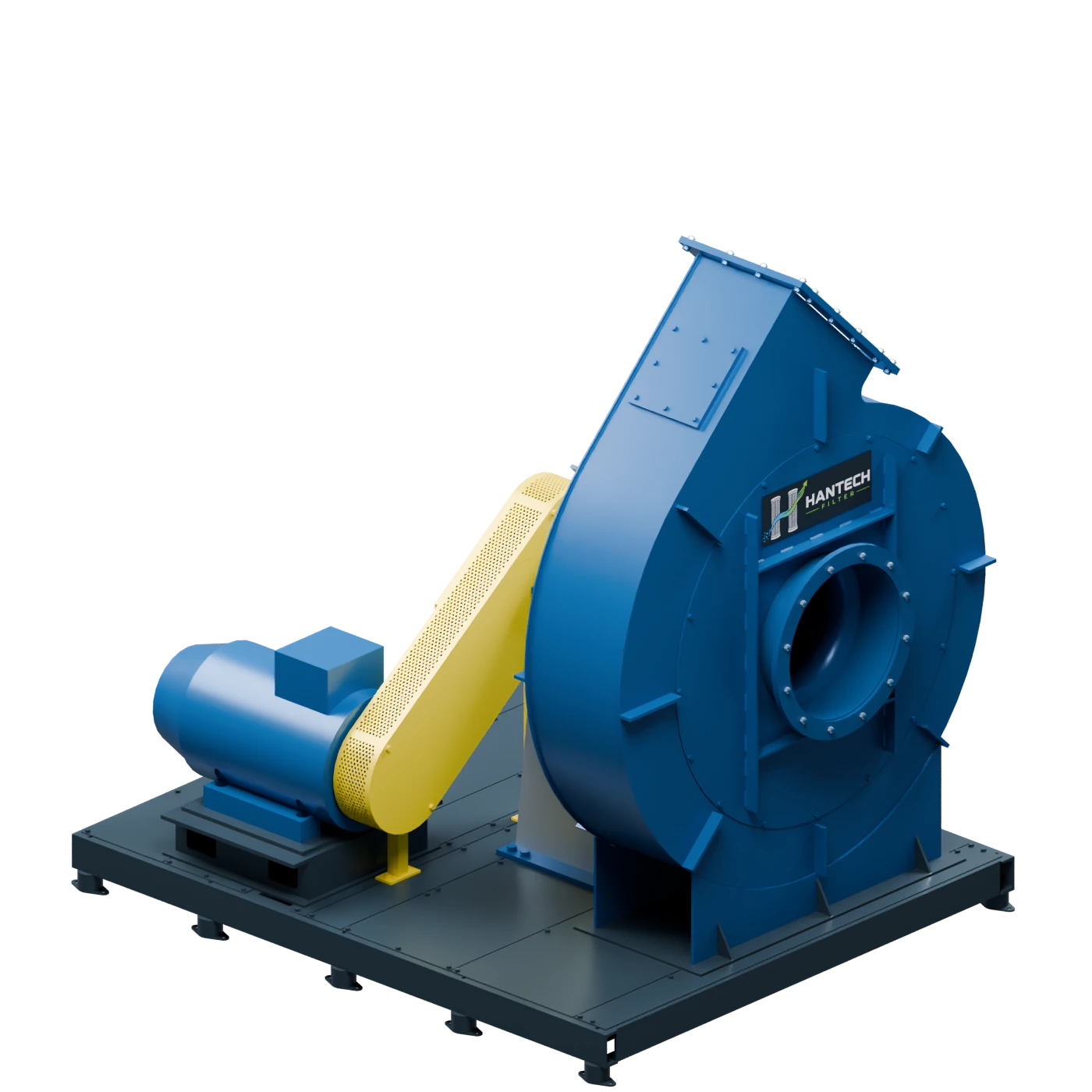 Blog
Blog
Industrial fan selection cannot be made based on motor kW or fan diameter alone; suction flow rate, duct velocities, filter dP, cyclone/damper losses, air leakage, and fan operating point must all be calculated together.
Read the article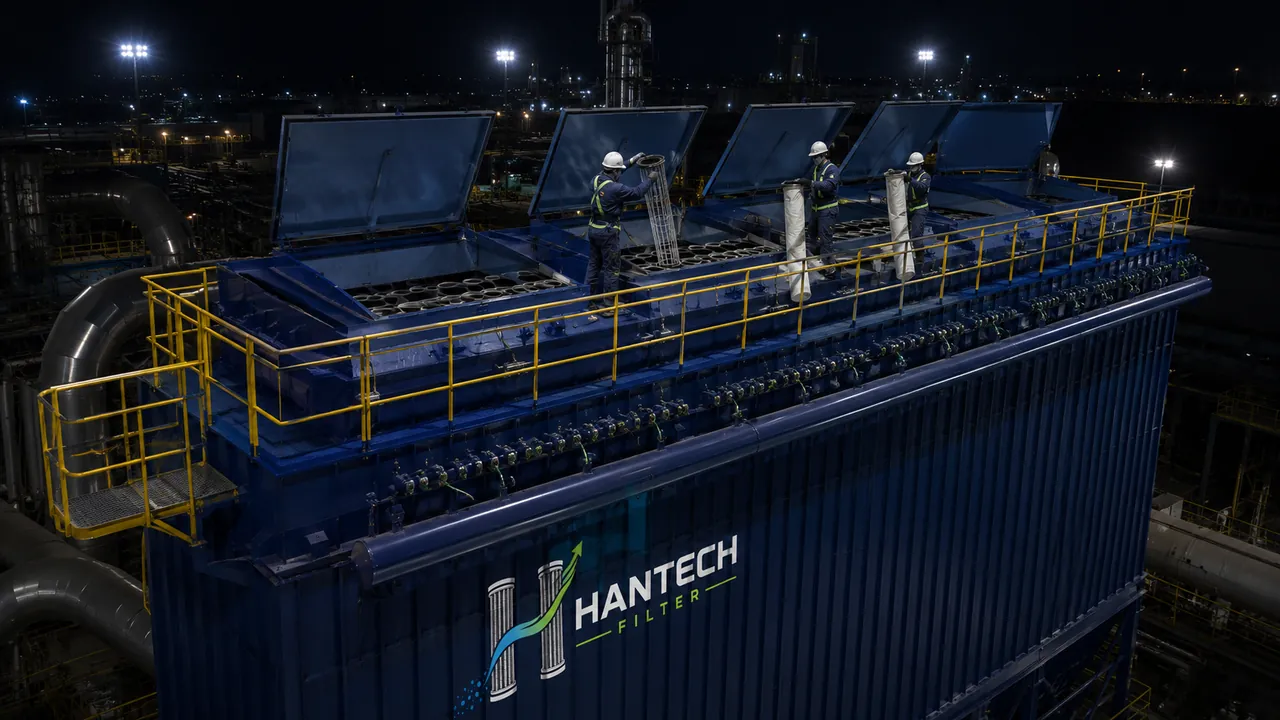 Blog
Blog
Silo-top filter failures are often not caused solely by a bag, cartridge, or valve problem; fill rate, tanker pressure, pulse air, the safety valve, leakage above the hopper, moisture, fine dust, and maintenance access must all be checked together.
Read the article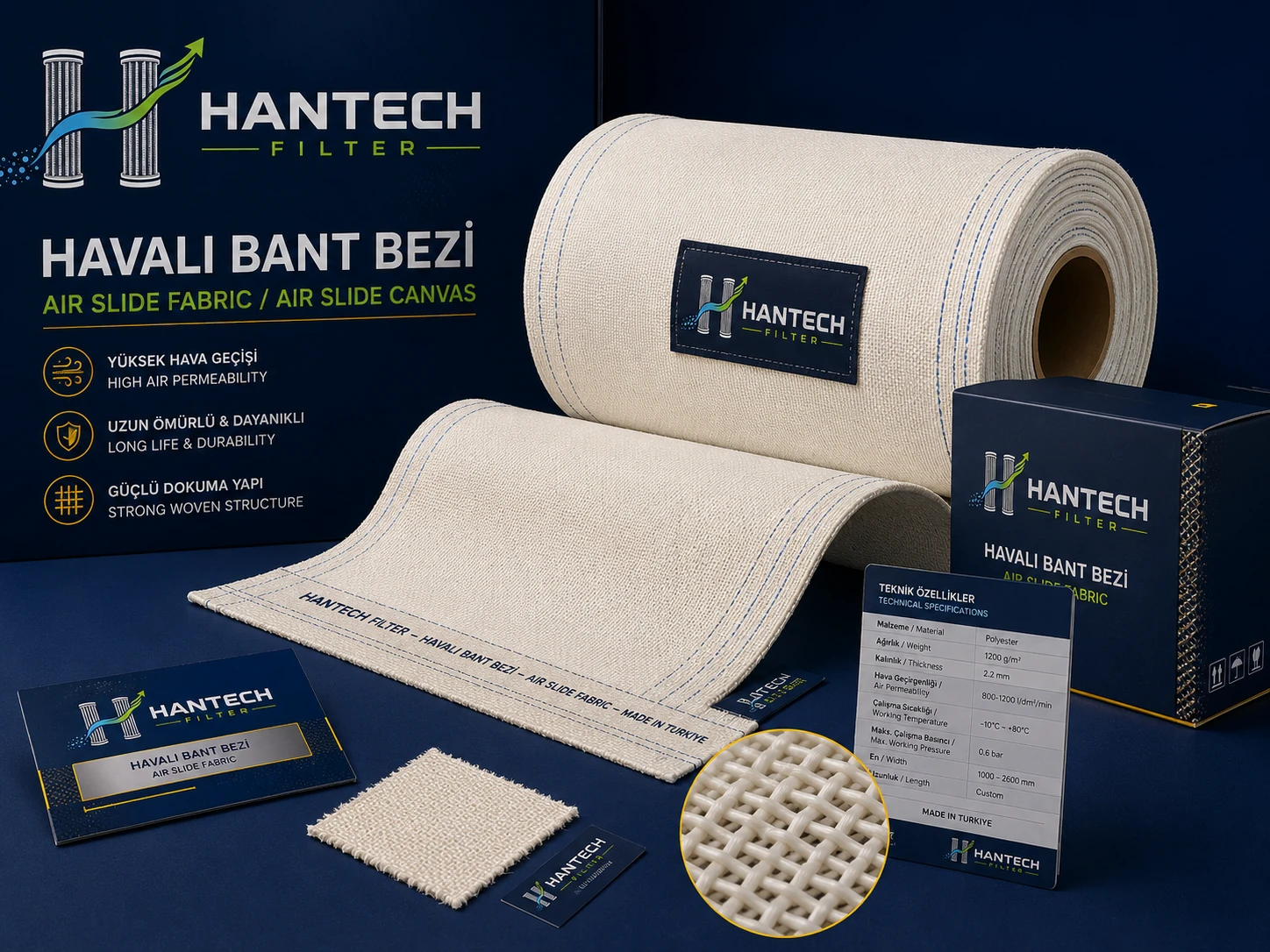 Blog
Blog
Air slide fabric selection for cement and mineral dust conveying lines should be made by evaluating air permeability, pressure, incline, dust fineness, moisture, temperature, duct width, feed arrangement, and maintenance access together.
Read the article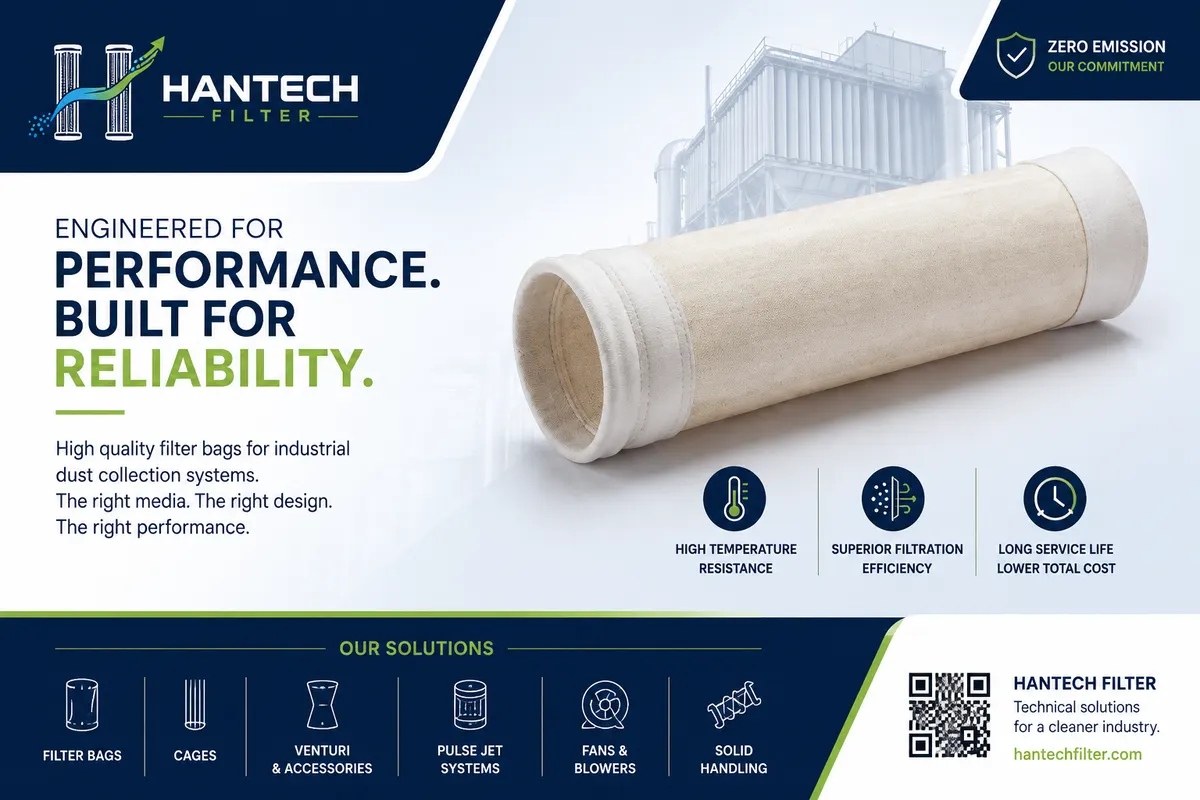 Blog
Blog
Fiberglass PTFE filter bags are a strong option in heavy-duty processes that combine high temperature, chemical resistance and low-emission requirements. However, because of the brittle nature of glass fiber, an expensive bag can be damaged in a short time if the cage, pulse pressure, installation and packaging conditions are not properly managed.
Read the article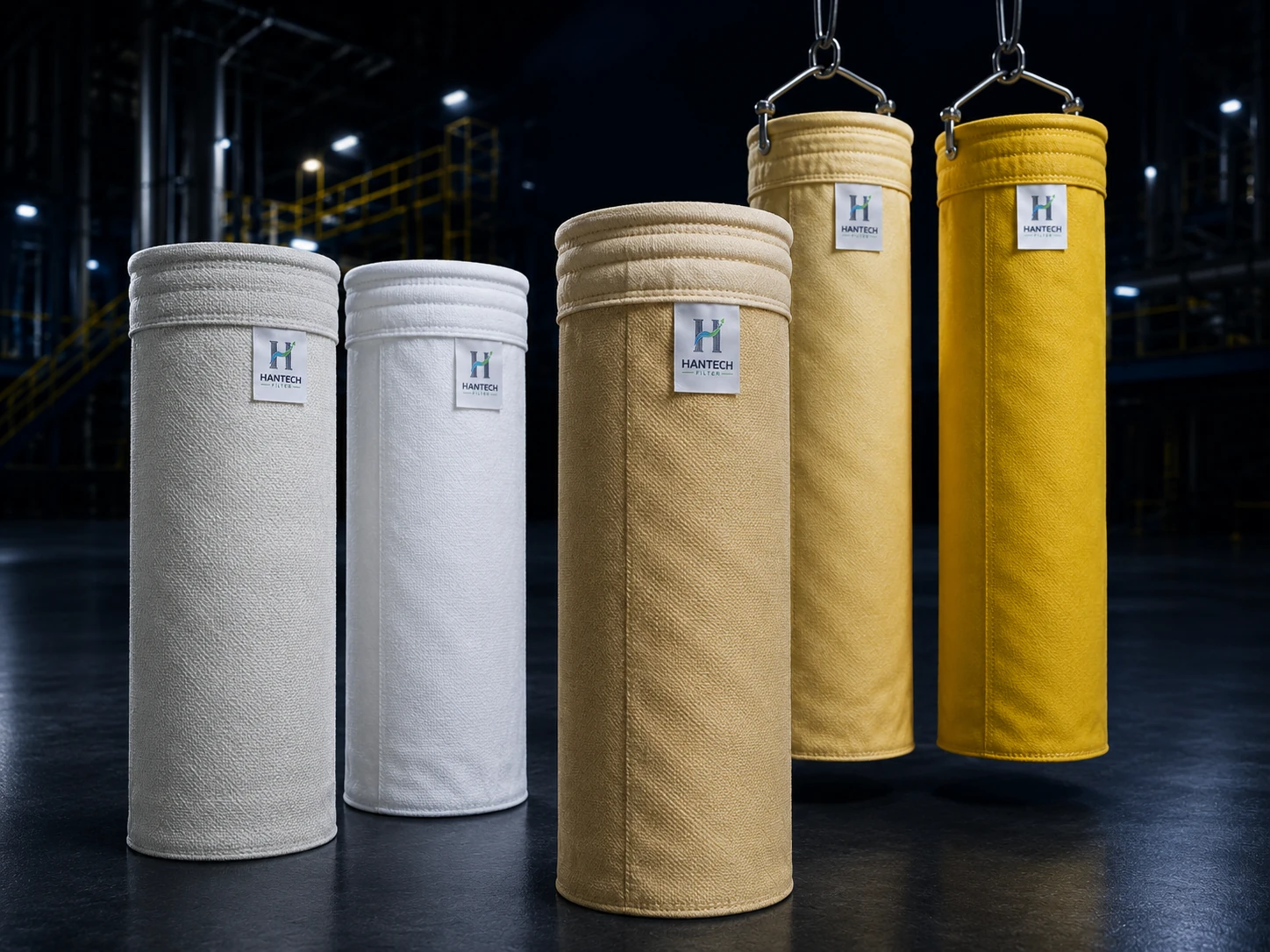 Blog
Blog
Choosing a more expensive media alone is not enough to extend filter bag life. Flow rate, A/C ratio, dP trend, pulse-jet pressure, cage surface, snap-band seating, moisture, dew point, dust micron size, and hopper discharge arrangement must all be checked together.
Read the article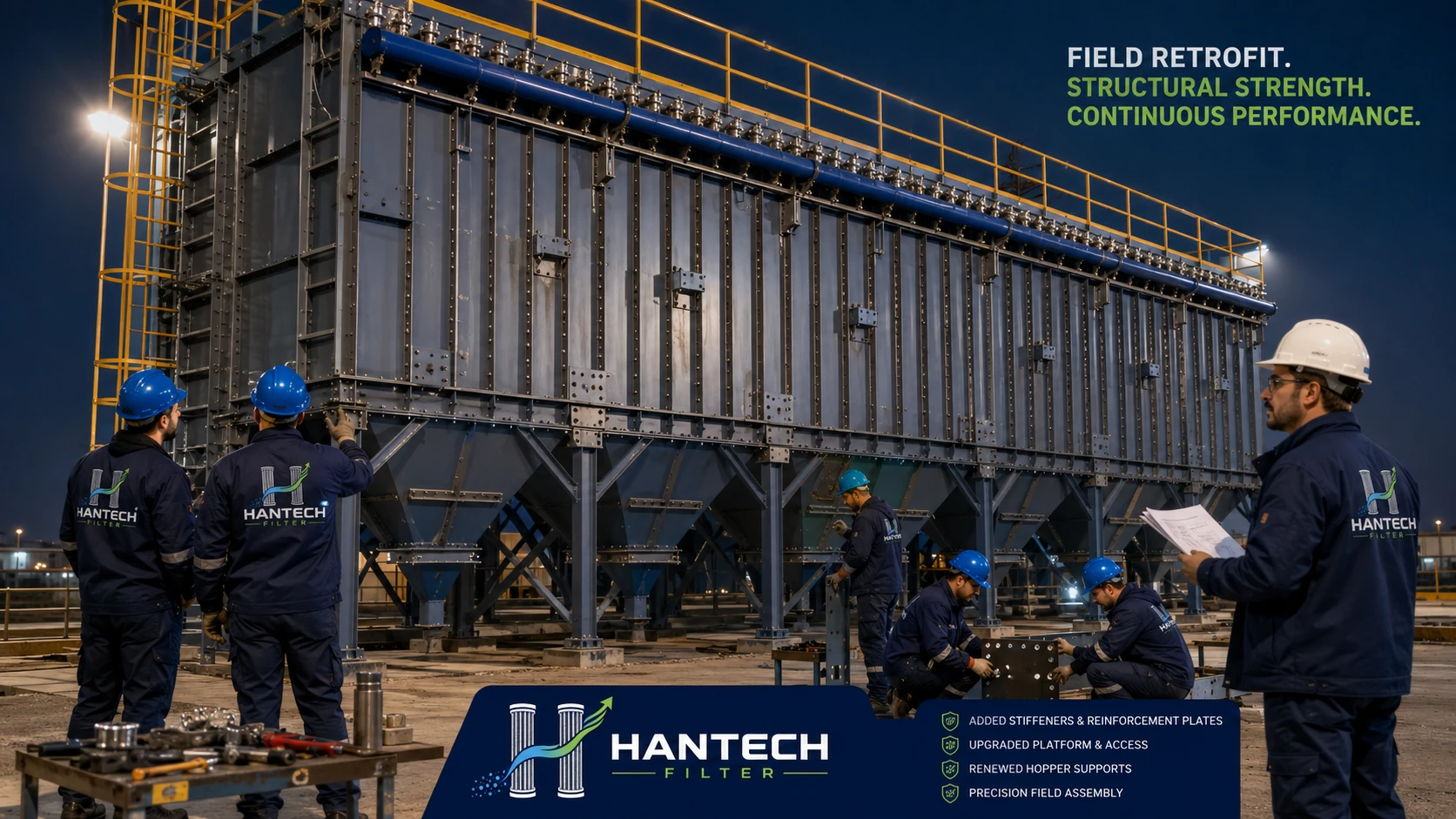 Blog
Blog
The decision to renew a baghouse filter should be made by reviewing the dP trend, emission behavior, fan operating point, housing tightness, pulse-jet system, filter area, hopper discharge, process capacity, and maintenance cost together. Not every high dP means a new filter investment is needed; however, at some sites retrofit may no longer be sufficient.
Read the article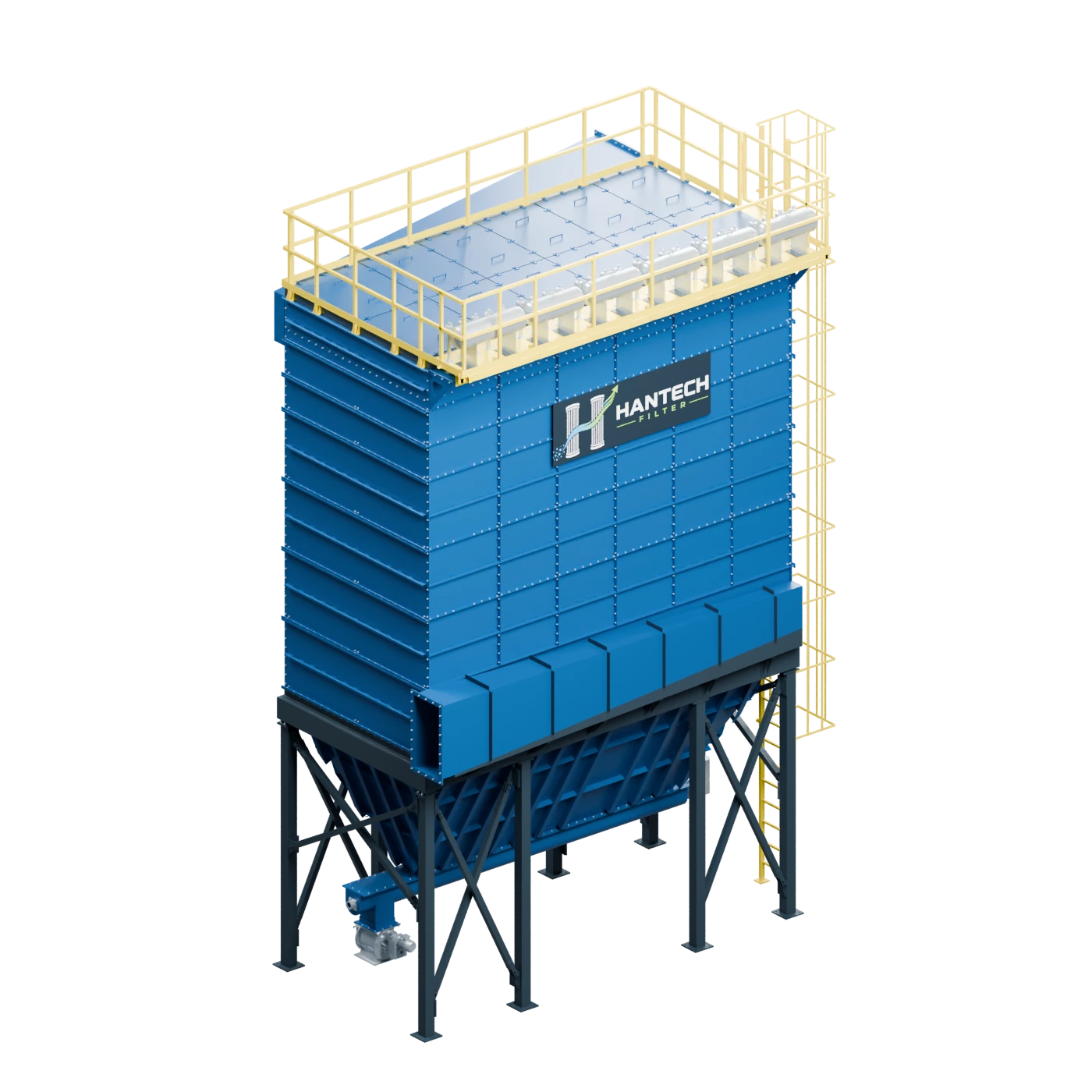 Blog
Blog
Pressure drop in a baghouse filter can rise due to a high A/C ratio, incorrect bag media, moist or fine dust, weak pulse-jet cleaning, the fan operating point, and hopper discharge problems. When the dP trend is read correctly, bag life, extraction performance, and energy consumption can all be improved together.
Read the article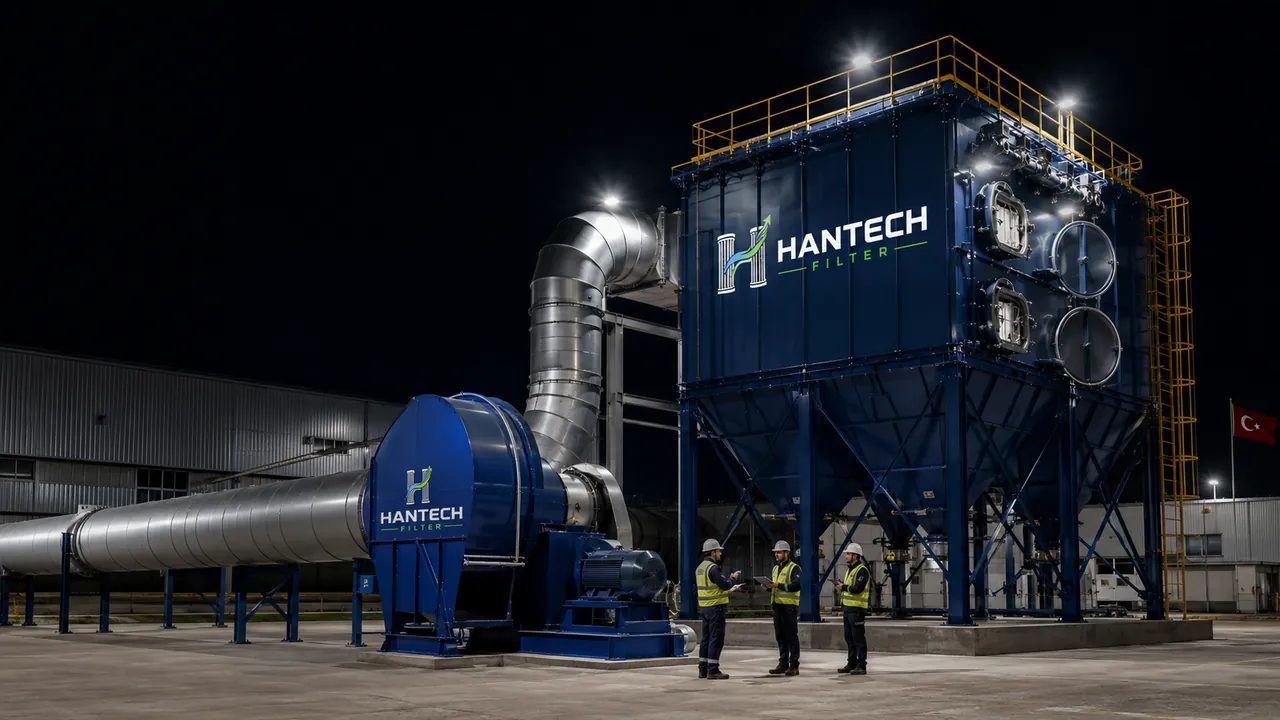 Blog
Blog
Filter bag selection at cement plants must be made separately for the raw mill, clinker, cement mill, silo, and packing points, based on temperature, moisture, alkalinity, abrasiveness, particle size distribution, SOx/NOx risk, cage fit, and pulse-jet cleaning conditions.
Read the article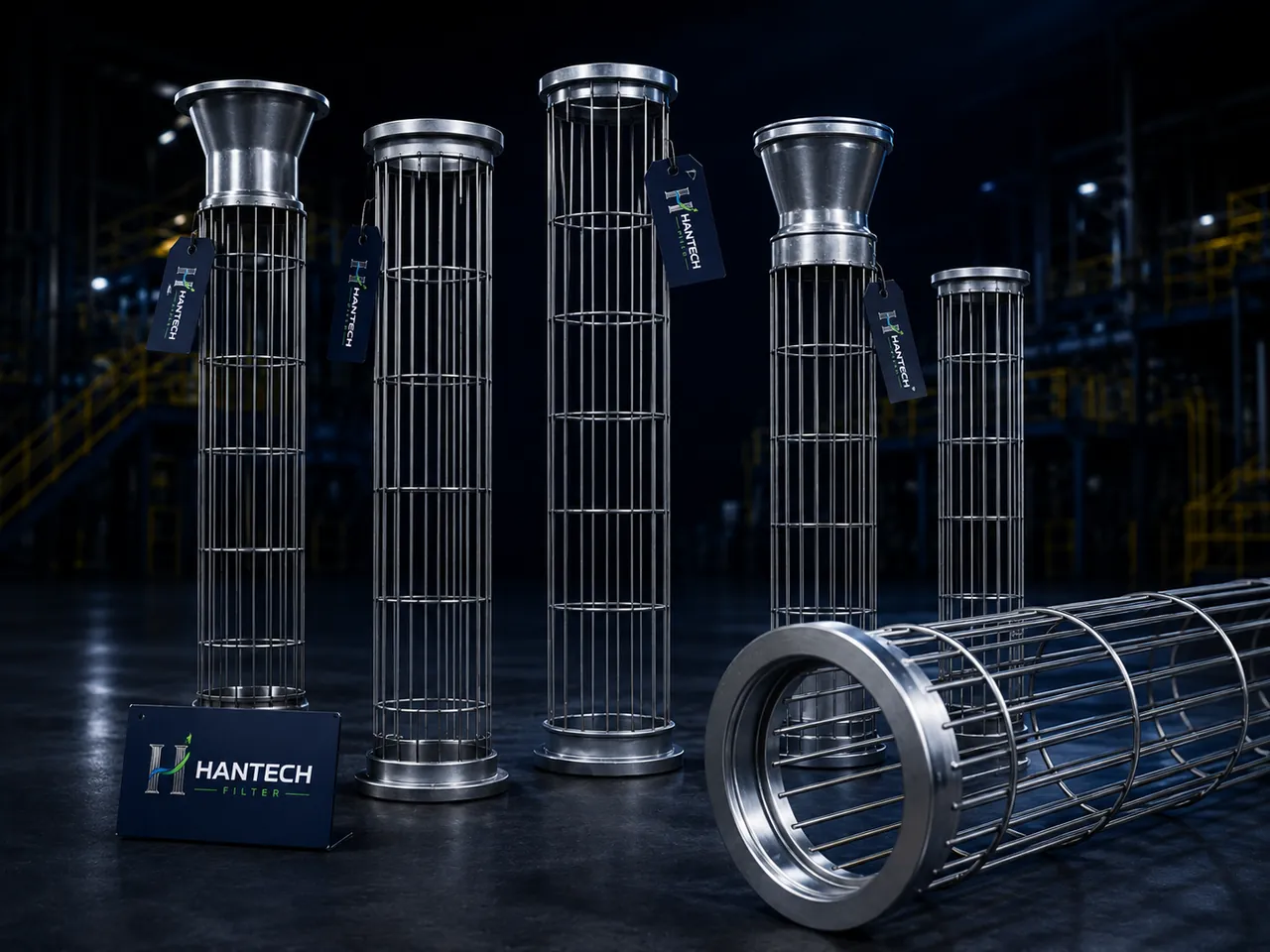 Blog
Blog
Filter cage selection is made based on bag diameter, cell plate hole size, wire count, coating, venturi, surface smoothness, and compatibility with pulse-jet cleaning. An incorrect cage can wear down even a correctly selected filter bag in a short time, creating a risk of leakage and high differential pressure.
Read the article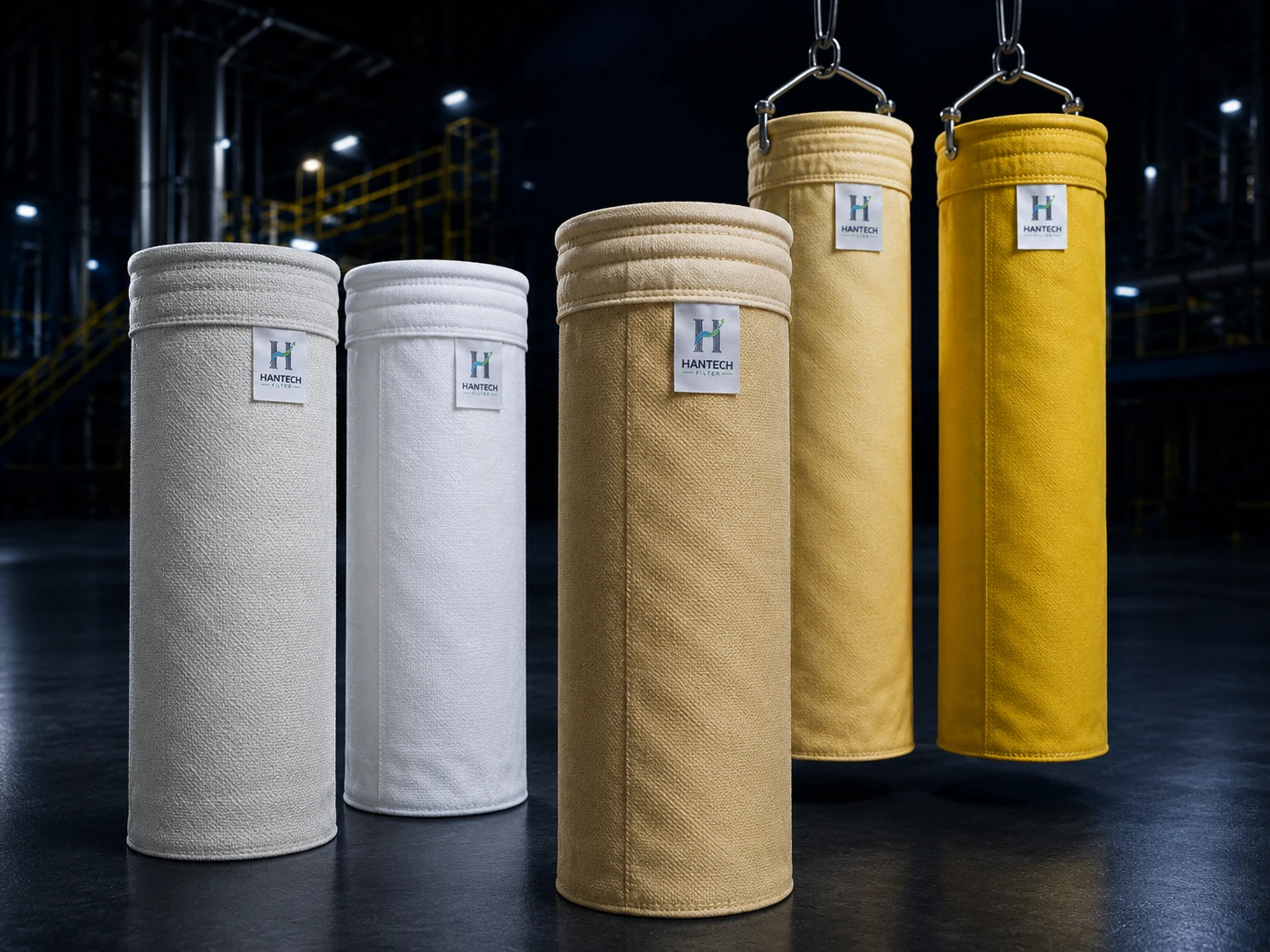 Blog
Blog
The correct filter bag selection must be made based on temperature, humidity, dust characteristics, chemical composition, filtration velocity, and the cleaning system.
Read the article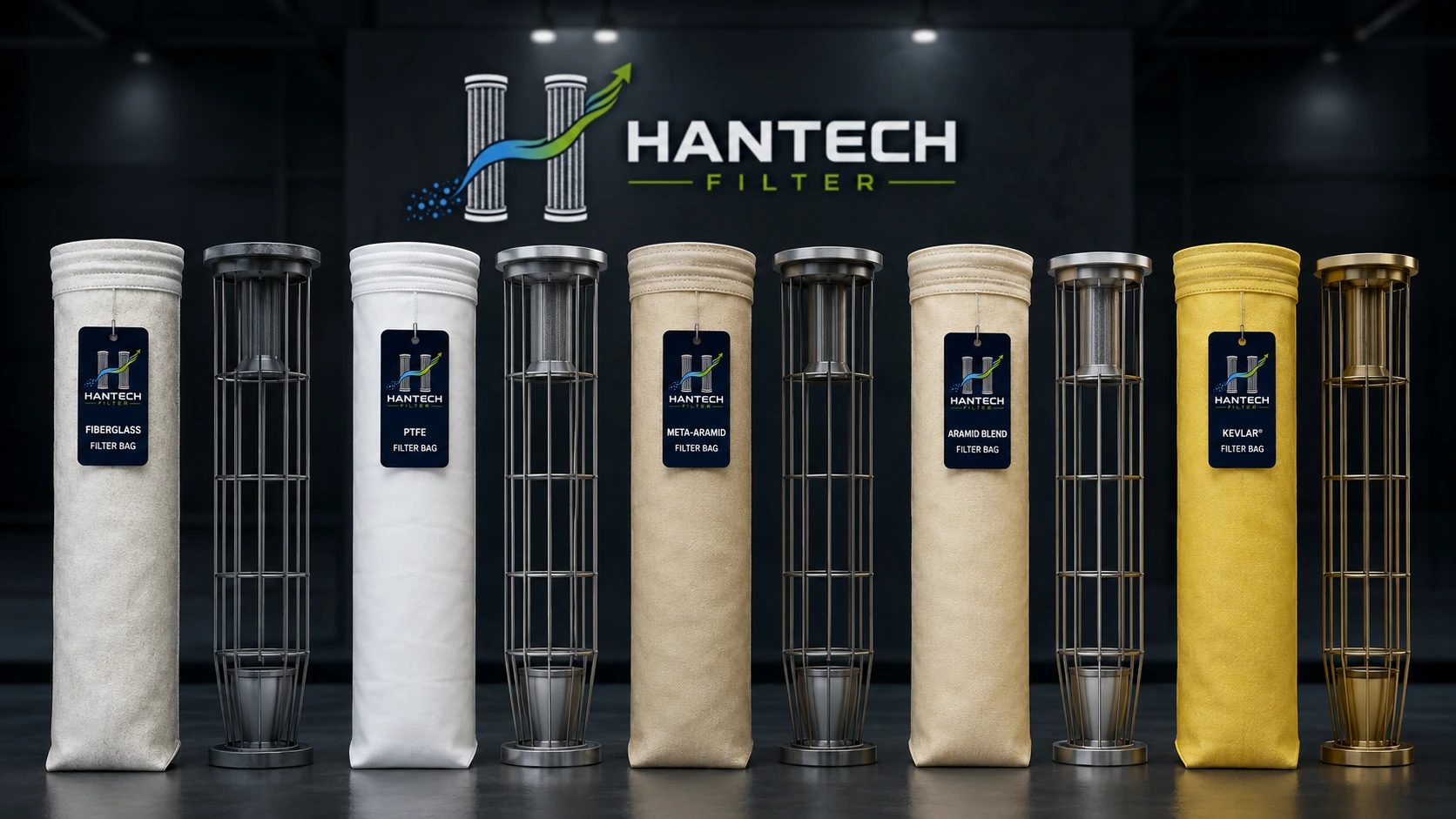 Blog
Blog
A PTFE membrane is considered in processes where fine dust penetrates the felt, a low emission target is required, and more stable surface filtration is desired. A membrane alone does not imply a 240°C temperature class; the limit is set by the carrier media and the overall bag construction.
Read the article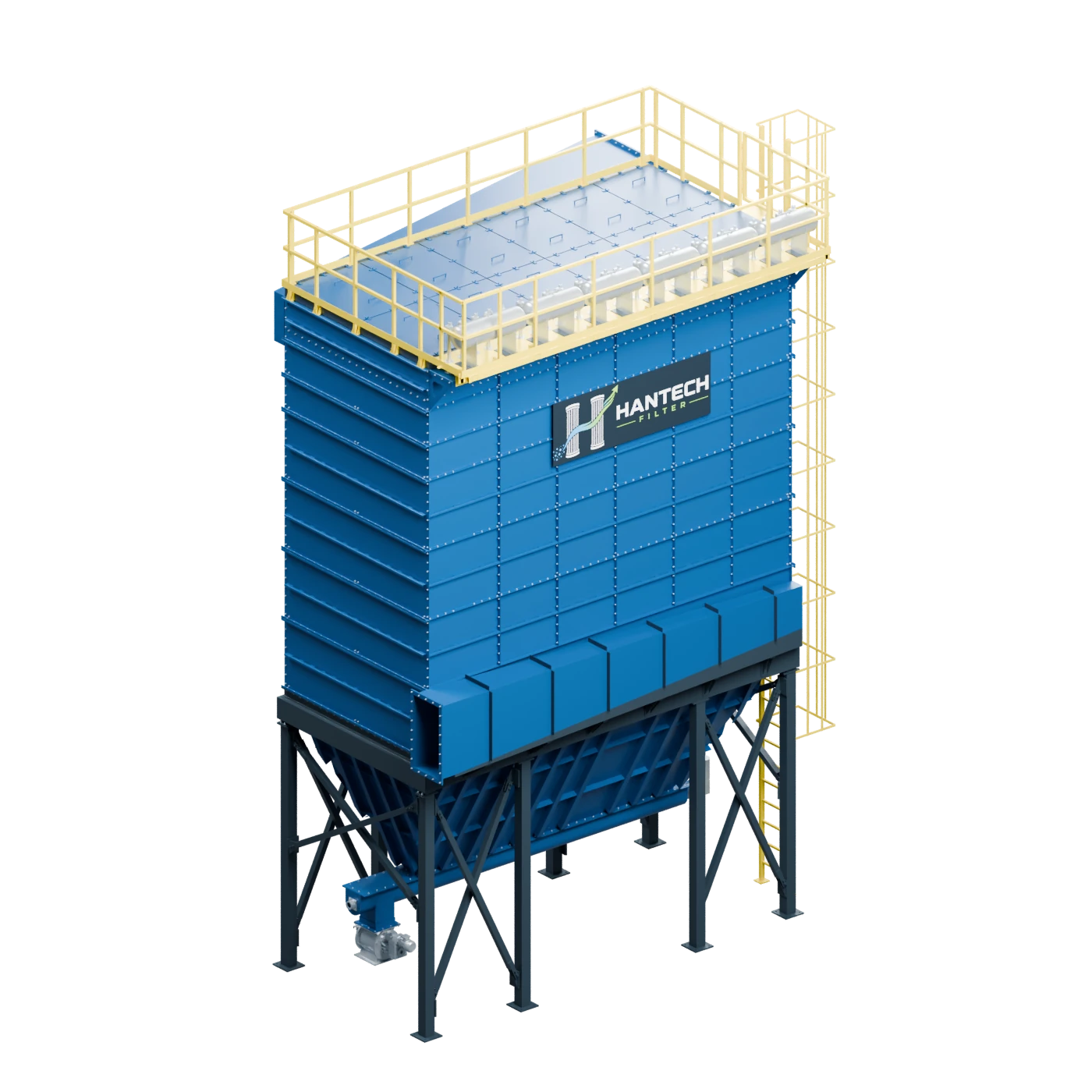 Blog
Blog
Baghouse filter systems pass dust-laden air through filter bags in industrial processes to provide clean air and controlled dust discharge.
Read the article