 Blog
Blog
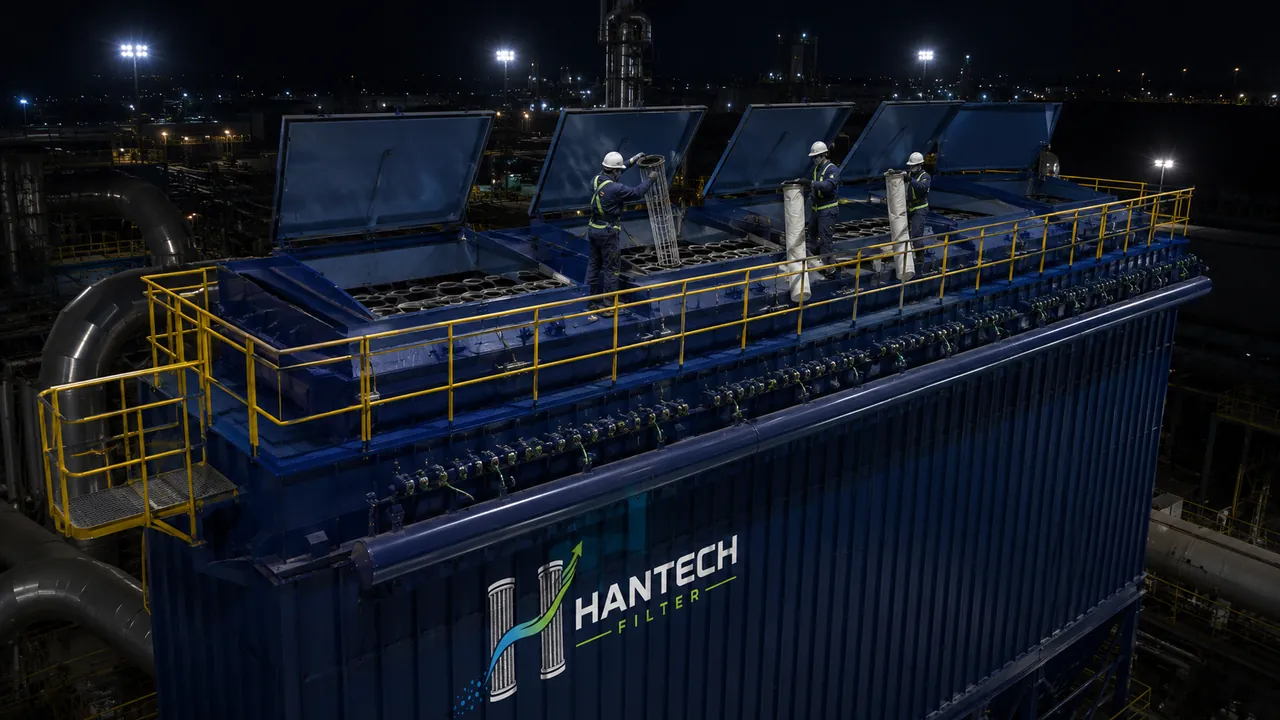
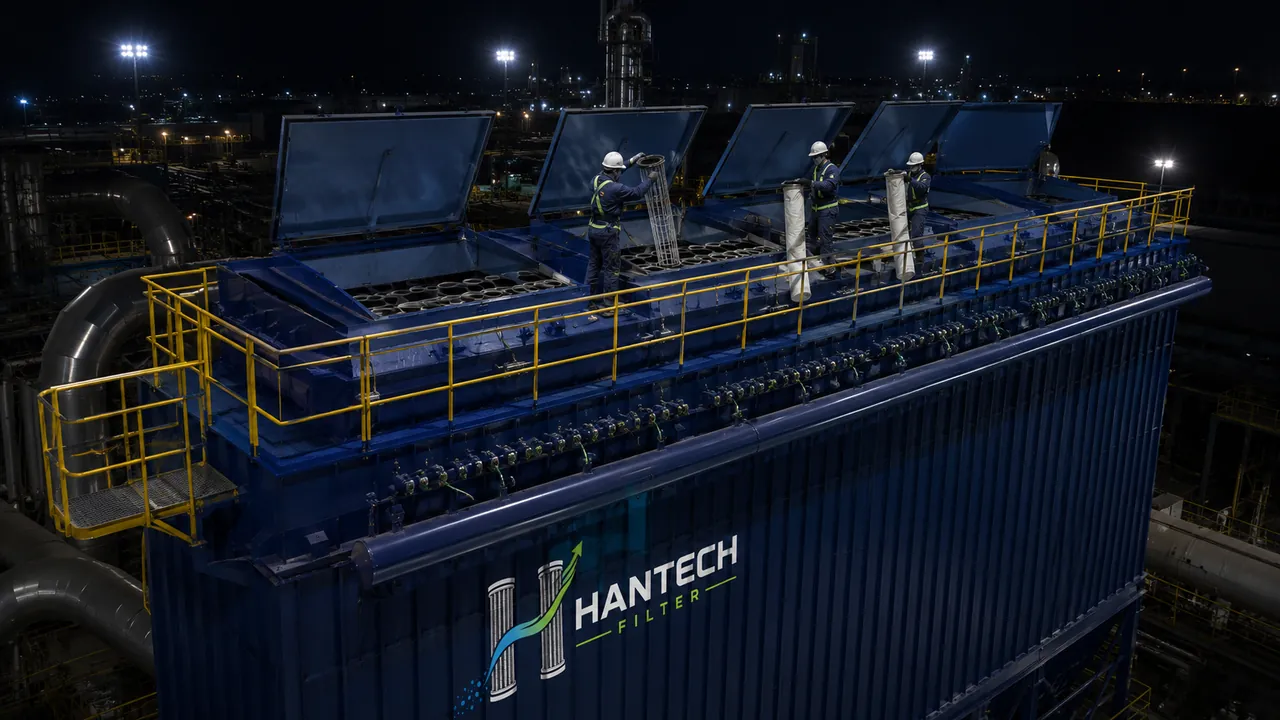
Why Do Asphalt Plant Filter Bags Blind or Burn?
Distinguish blinding, high differential pressure, holes and heat damage in asphalt filter bags using measurements and a failure map.
Read the article
This section contains technical blog content that brings together Hantech Filter's product, process, and field experience. If your requirement is already clear, you can go straight to the product page or the quote form.
You can start reading published articles related to this topic here.
Blog
Distinguish blinding, high differential pressure, holes and heat damage in asphalt filter bags using measurements and a failure map.
Read the article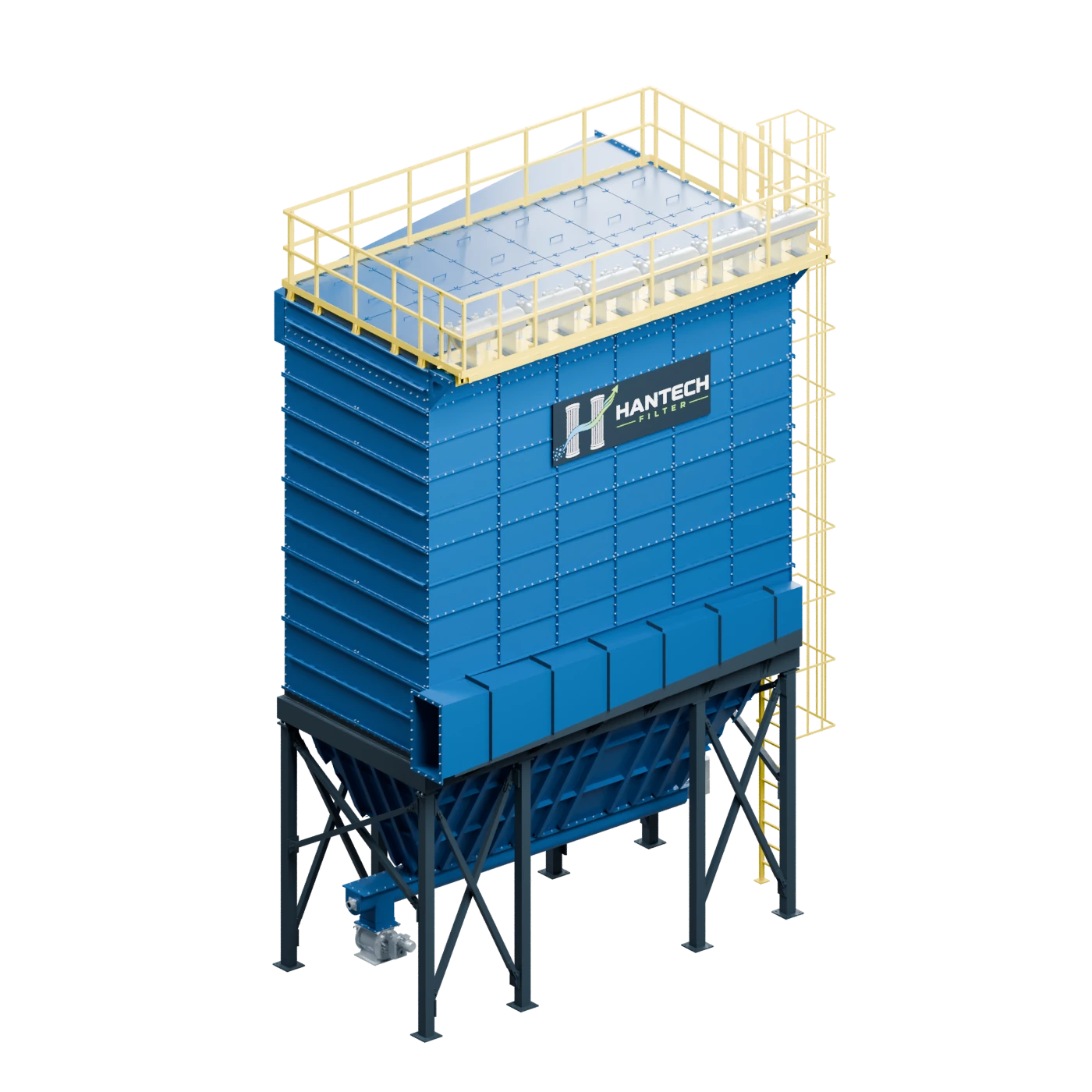 Blog
Blog
Assess condensation, cold surfaces and air leakage in a baghouse. Use a worked filter-loading example to distinguish insulation work from bag replacement.
Read the article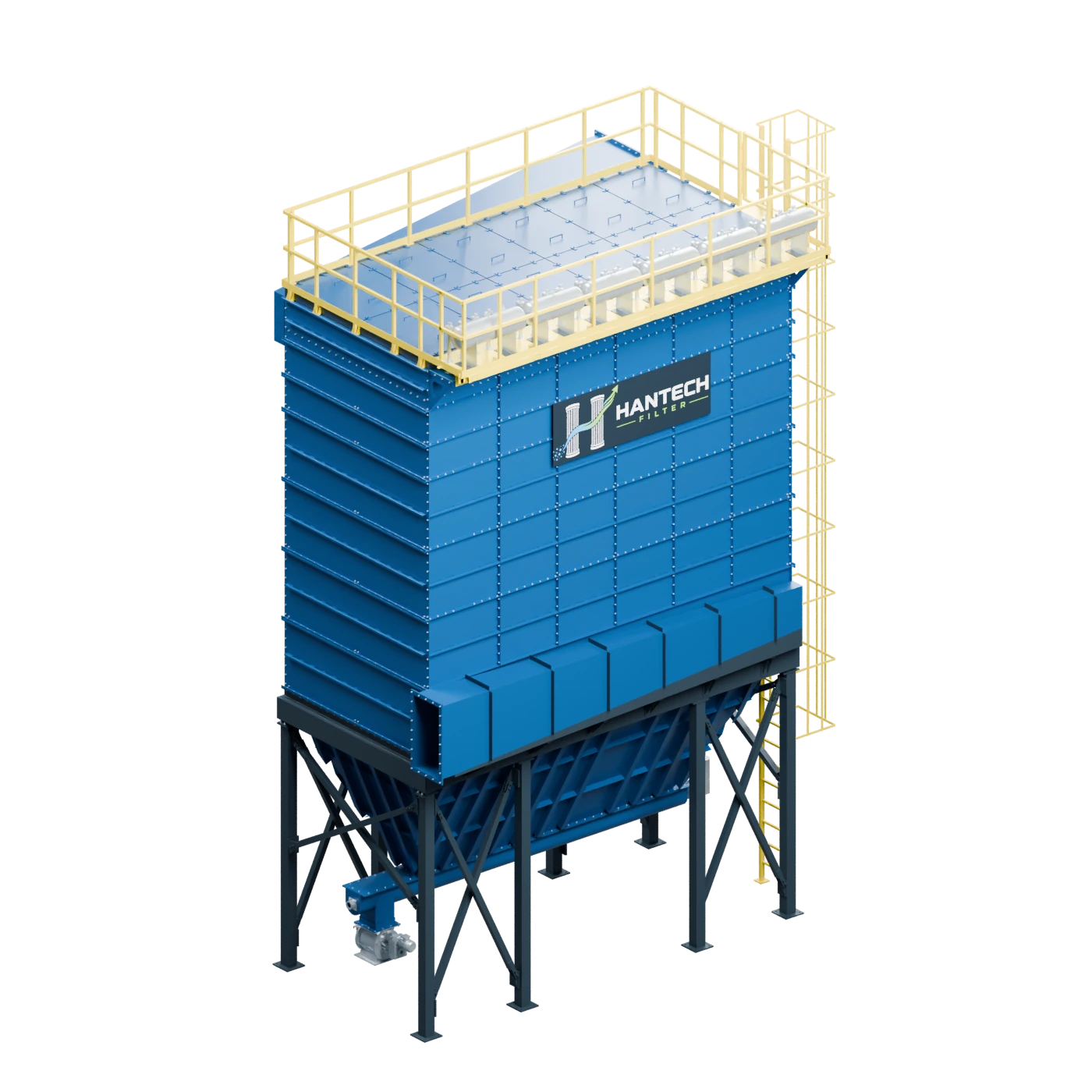 Blog
Blog
When selecting an industrial dust collection system, flow rate, dust characteristics, temperature, humidity, filter area, differential pressure, fan and emission target must all be evaluated together.
Read the article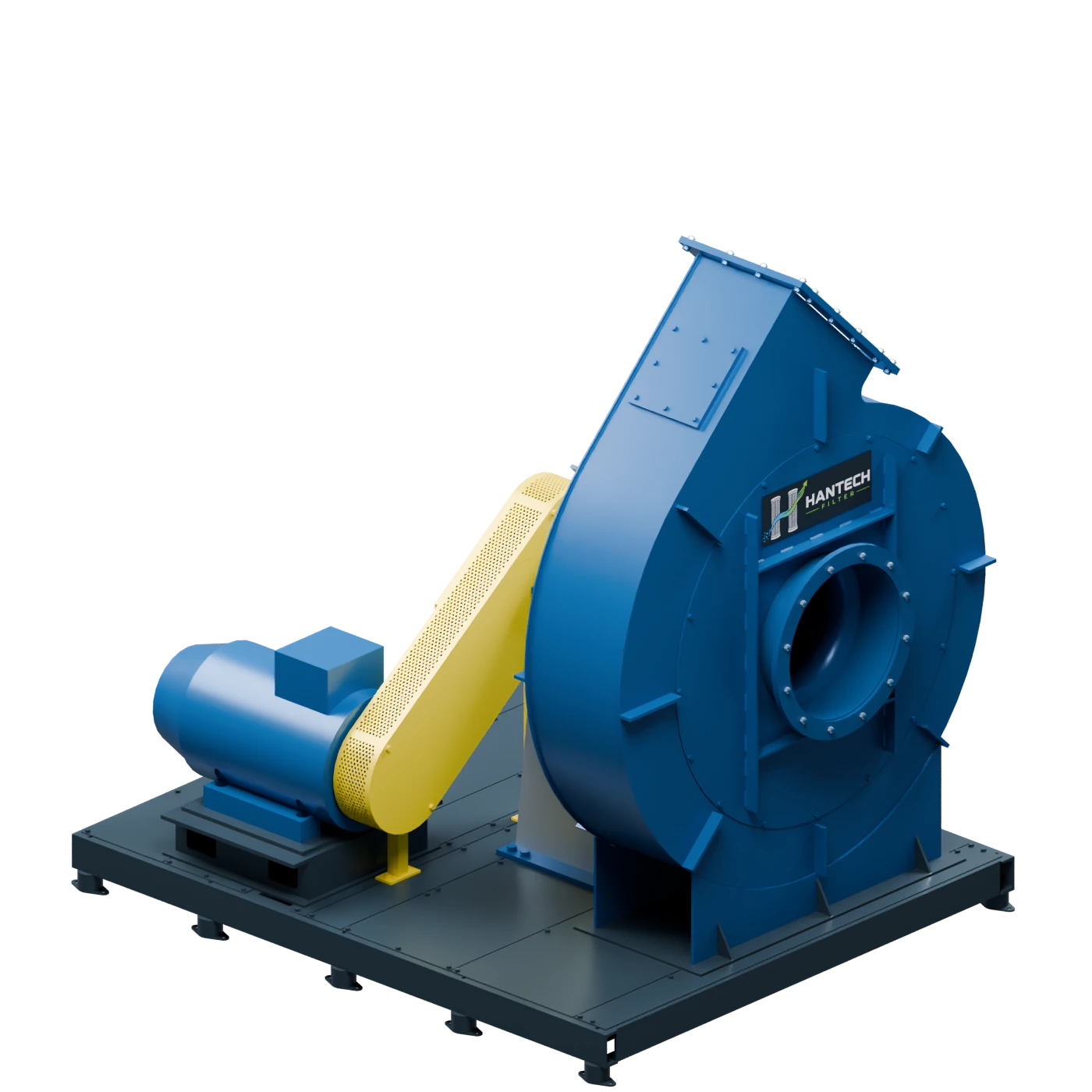 Blog
Blog
Industrial fan selection cannot be made based on motor kW or fan diameter alone; suction flow rate, duct velocities, filter dP, cyclone/damper losses, air leakage, and fan operating point must all be calculated together.
Read the article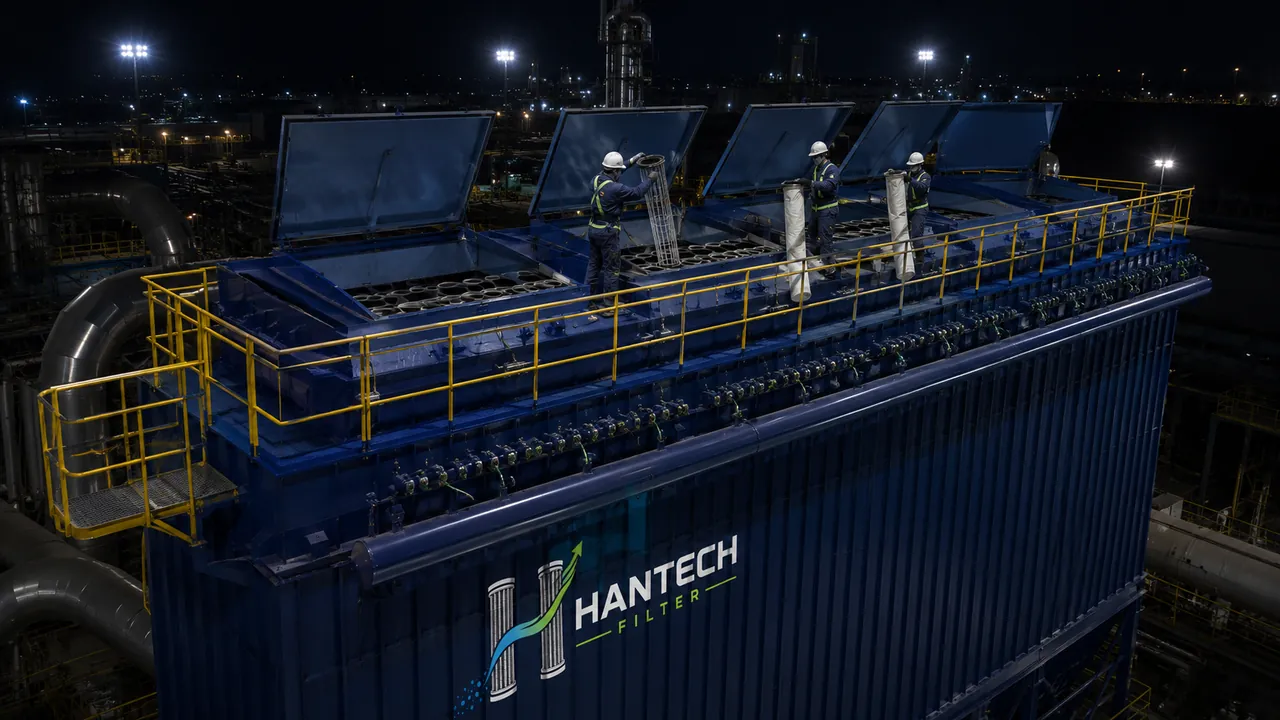 Blog
Blog
Silo-top filter failures are often not caused solely by a bag, cartridge, or valve problem; fill rate, tanker pressure, pulse air, the safety valve, leakage above the hopper, moisture, fine dust, and maintenance access must all be checked together.
Read the article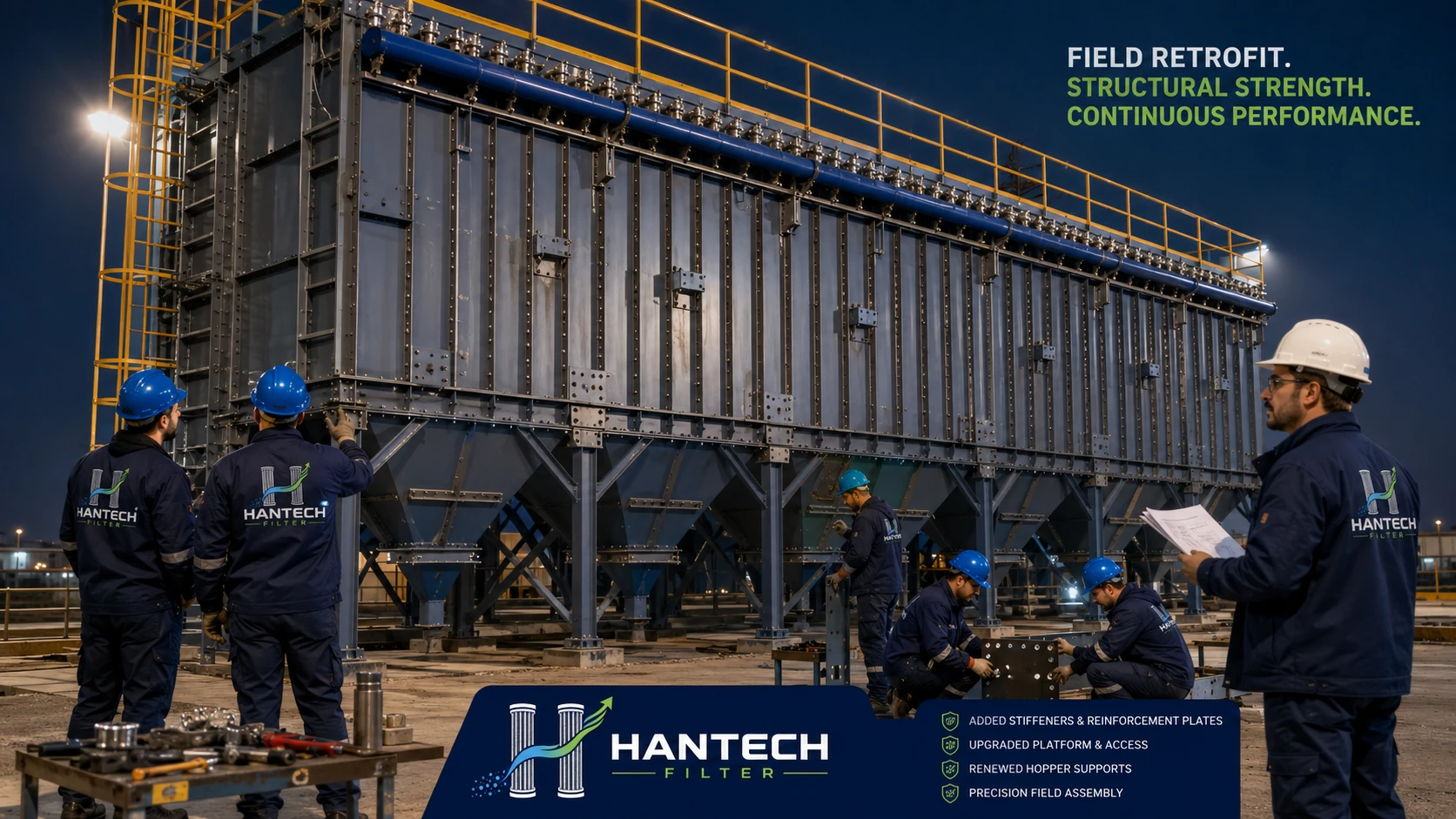 Blog
Blog
The decision to renew a baghouse filter should be made by reviewing the dP trend, emission behavior, fan operating point, housing tightness, pulse-jet system, filter area, hopper discharge, process capacity, and maintenance cost together. Not every high dP means a new filter investment is needed; however, at some sites retrofit may no longer be sufficient.
Read the article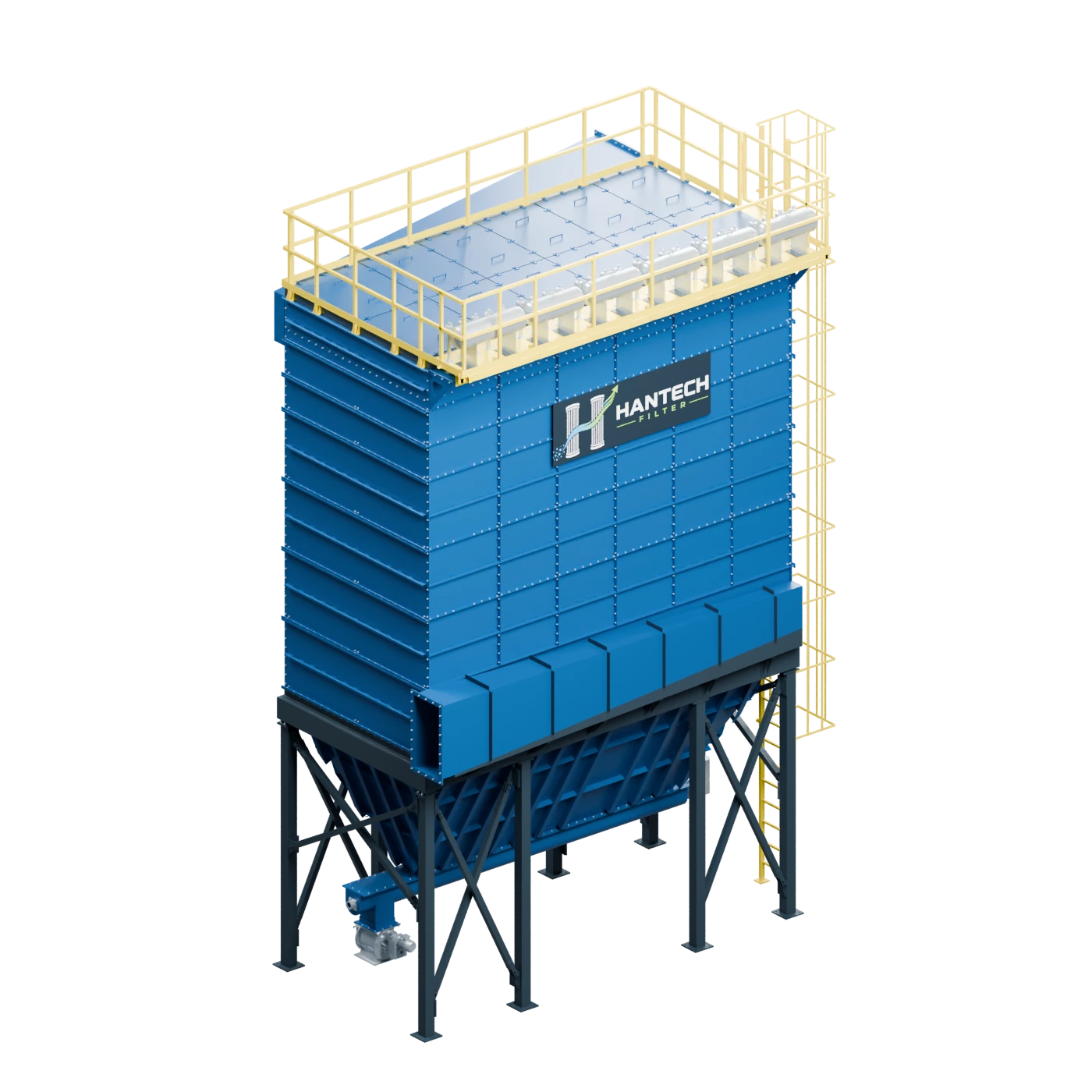 Blog
Blog
Pressure drop in a baghouse filter can rise due to a high A/C ratio, incorrect bag media, moist or fine dust, weak pulse-jet cleaning, the fan operating point, and hopper discharge problems. When the dP trend is read correctly, bag life, extraction performance, and energy consumption can all be improved together.
Read the article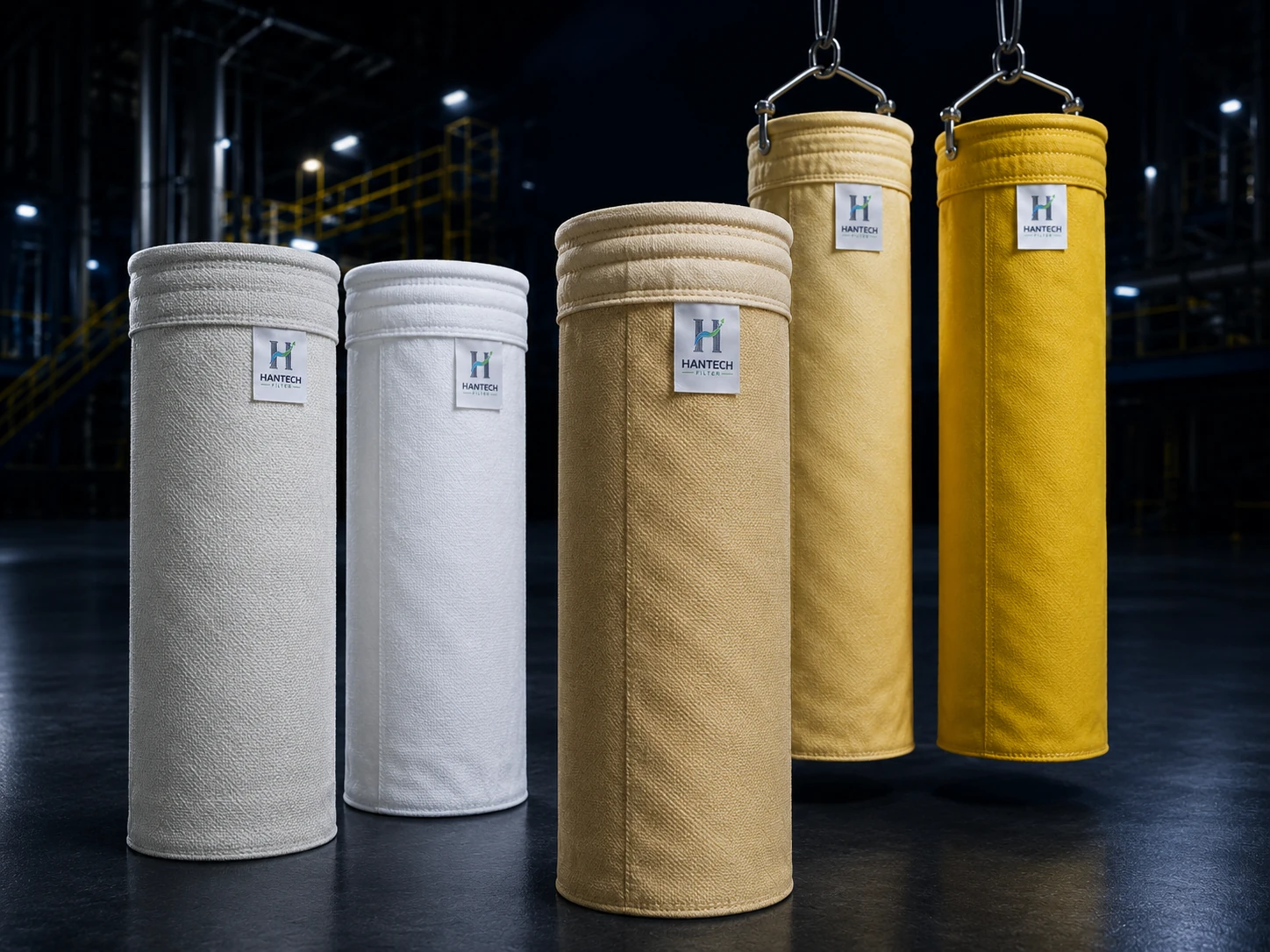 Blog
Blog
Choosing a more expensive media alone is not enough to extend filter bag life. Flow rate, A/C ratio, dP trend, pulse-jet pressure, cage surface, snap-band seating, moisture, dew point, dust micron size, and hopper discharge arrangement must all be checked together.
Read the article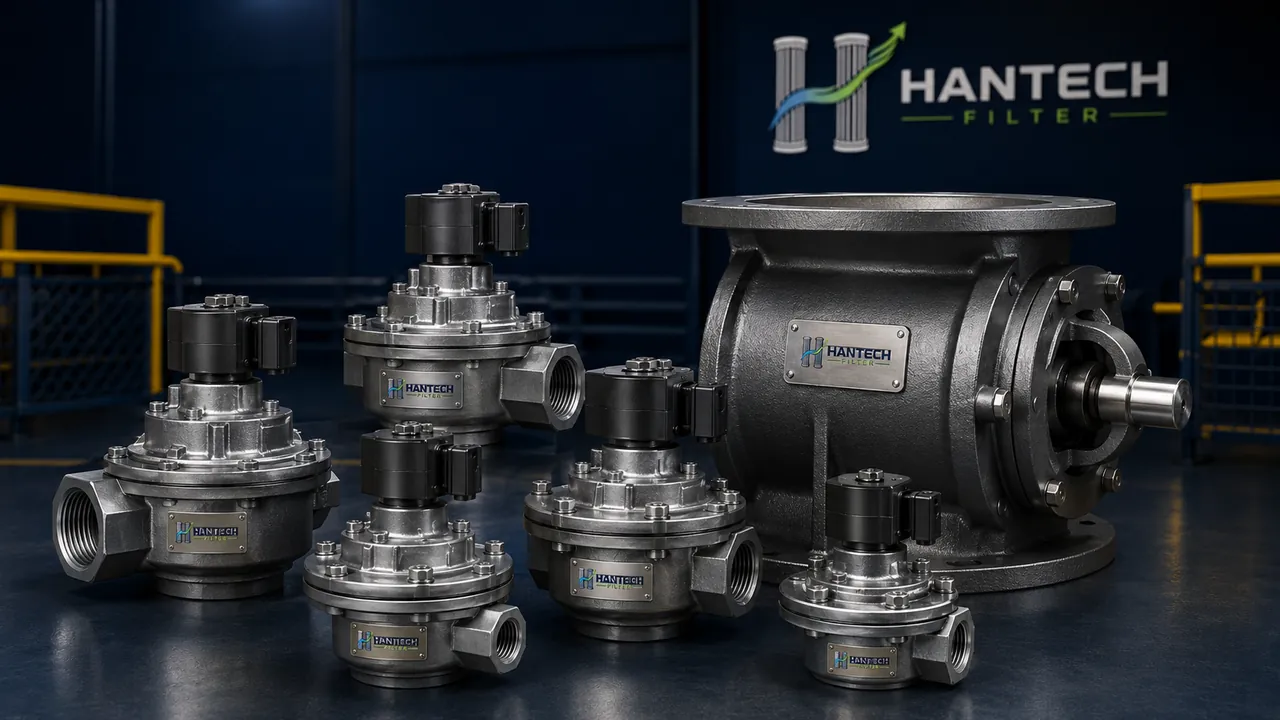 Blog
Blog
A pulse-jet valve failure shows up as rising differential pressure across the baghouse filter, a weak cleaning pulse sound, continuous air leakage, a torn diaphragm, a burnt-out coil, or a timer signal fault. For accurate diagnosis, the valve should not be checked in isolation; air tank pressure, blow pipe alignment, compressor capacity, pulse duration, and filter bag behavior must all be checked together.
Read the article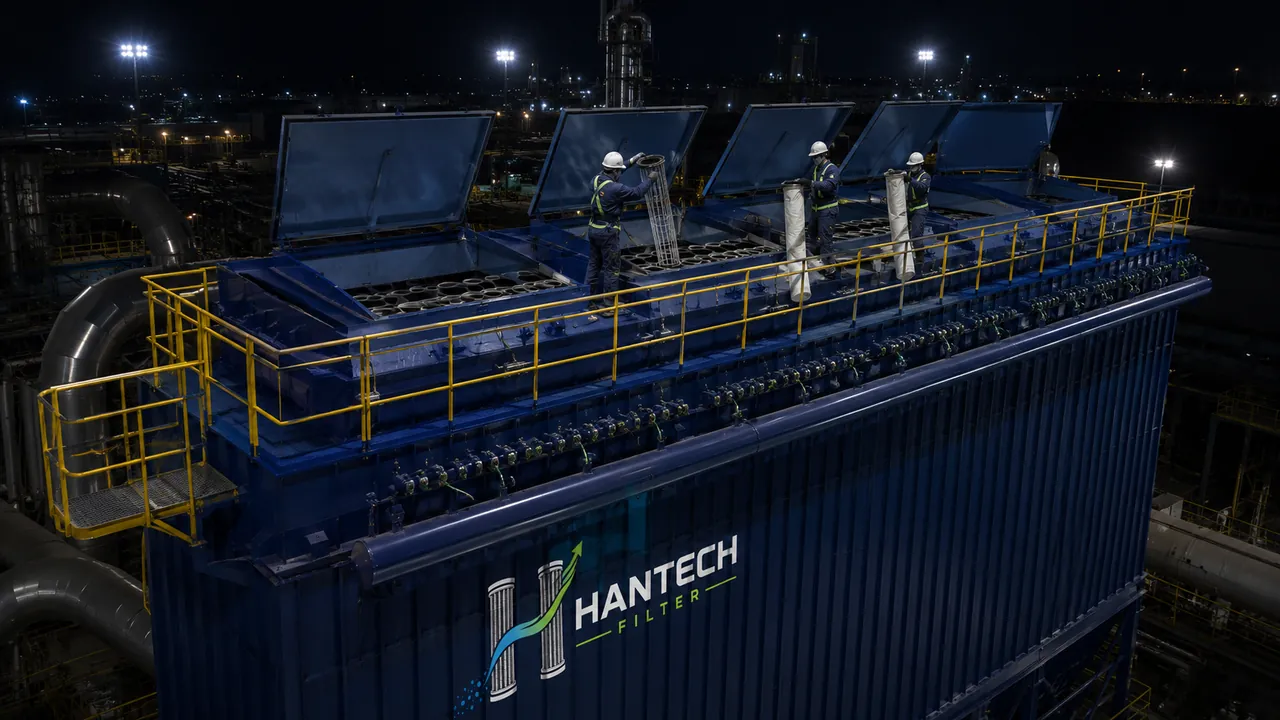 Blog
Blog
In a pulse-jet system, compressed air cleans the bags with short bursts; the valve, air tank, blow pipe, and differential pressure control work together.
Read the article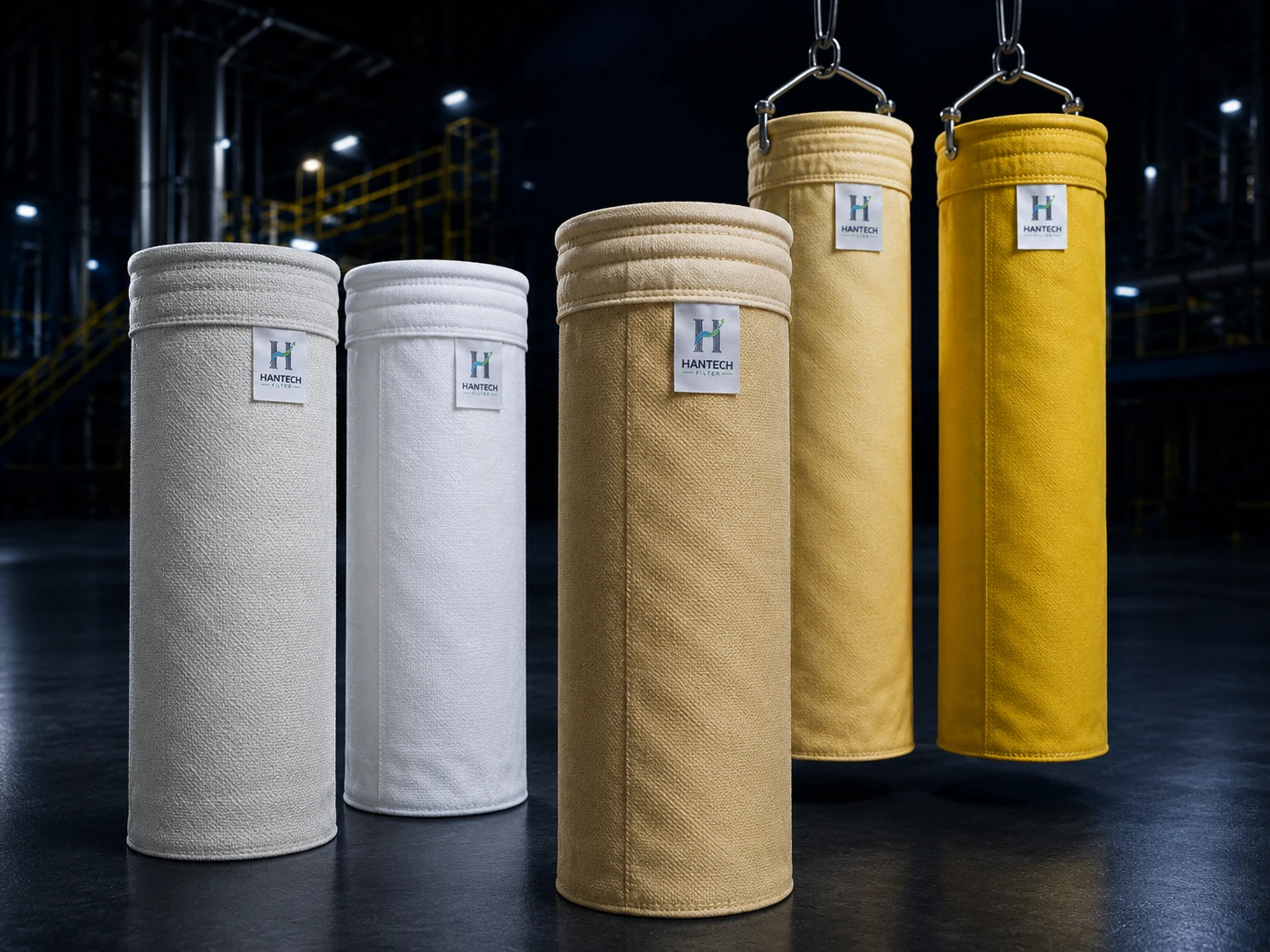 Blog
Blog
The correct filter bag selection must be made based on temperature, humidity, dust characteristics, chemical composition, filtration velocity, and the cleaning system.
Read the article Blog
Blog
A dust bag or filter bag is the filter bag itself; a bag filter is the baghouse housing, while a dust collector means the complete dust collection solution with fan, ductwork, hopper, and cleaning system.
Read the article