 Blog
Blog
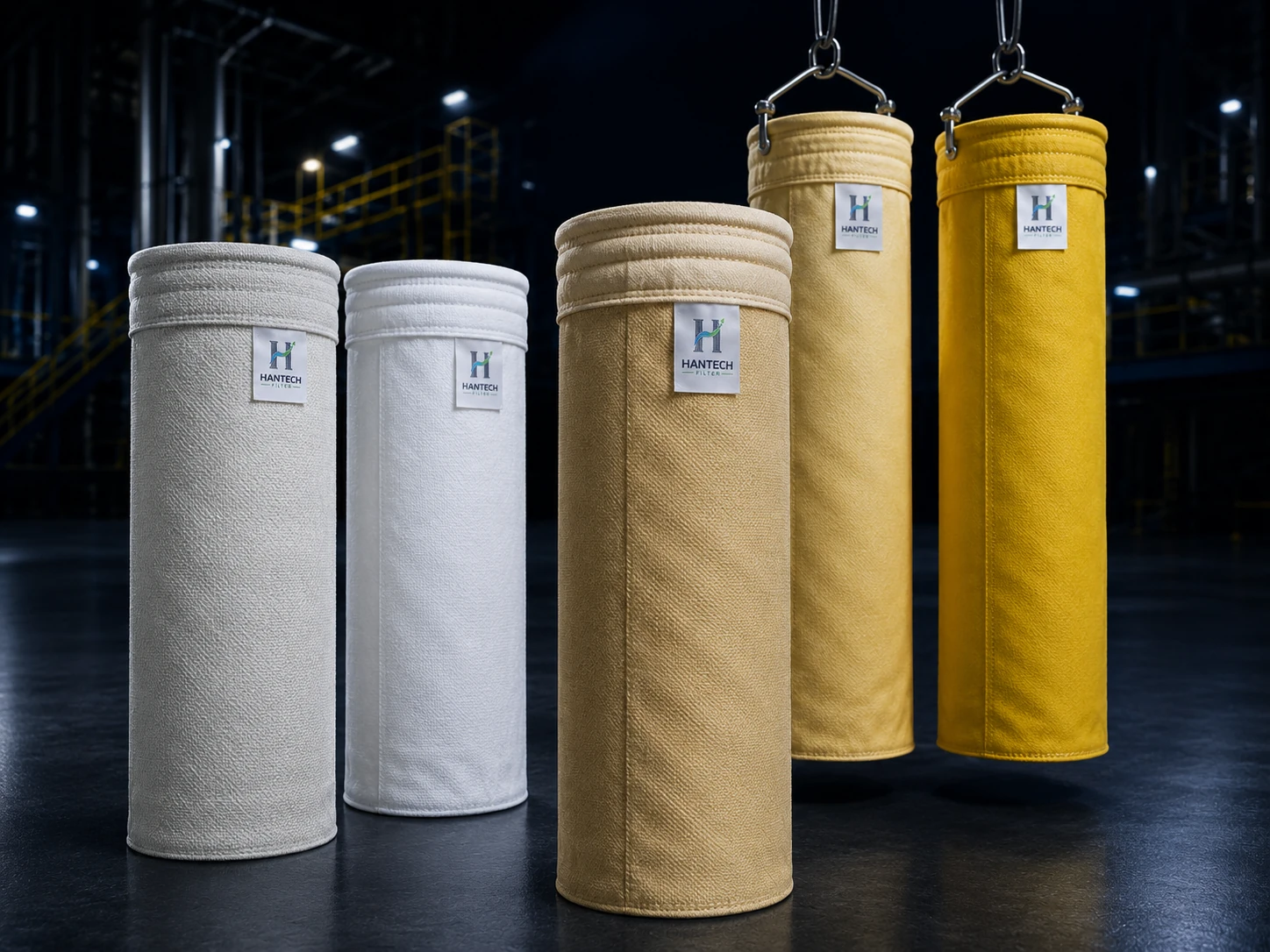
Foundry Filter Bag Selection: Separate Sand Dust from Furnace Fume
Select bags separately for sand preparation, shakeout, blasting and melting duties. Includes net-area calculations, a failure matrix and an RFQ checklist.
Read the article
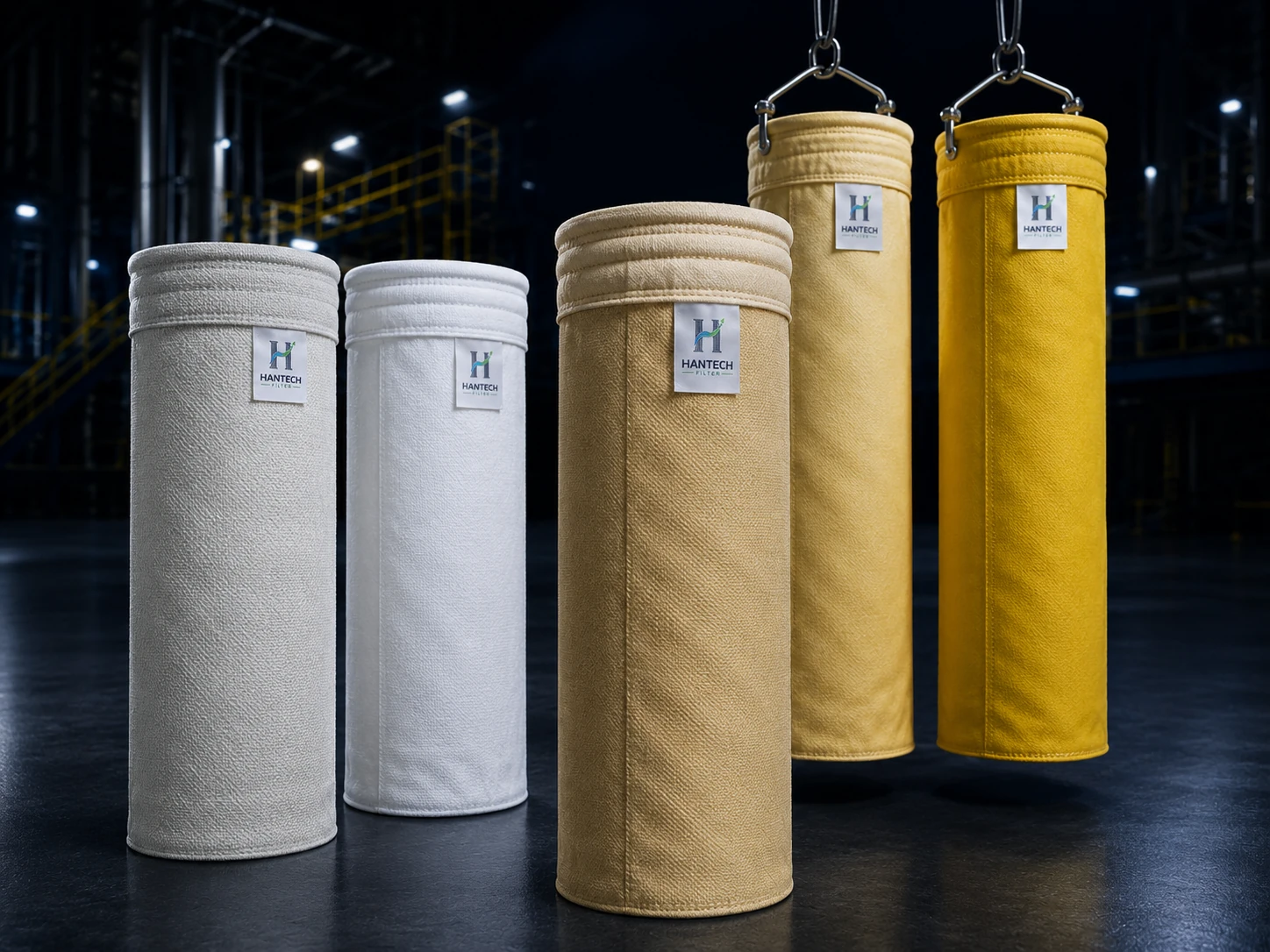
This section contains technical blog content that brings together Hantech Filter's product, process, and field experience. If your requirement is already clear, you can go straight to the product page or the quote form.
A filter bag is not simply a matter of size. Temperature, moisture, acidic/alkaline gas, hydrolysis, oxidation, explosive dust, particle fineness, filtration velocity, and pulse-cleaning behavior are all evaluated together.
Hantech Filter is a filter bag manufacturer that selects materials and construction based on your process data and coordinates the supply of bags, cages, valves and air-handling equipment. Material test reports and certificates of origin are available on request.
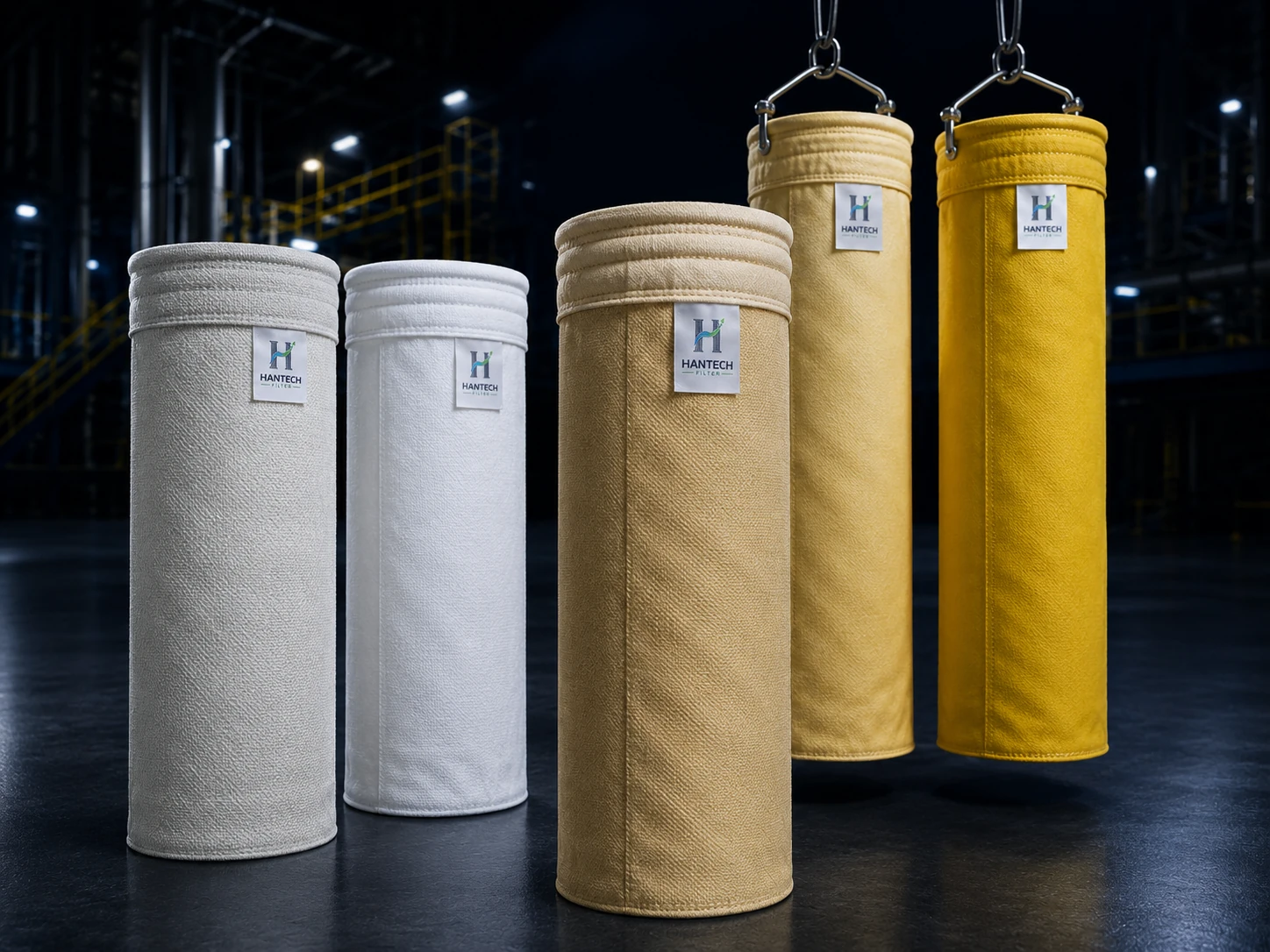
For correct filter bag life in cement, lime, gypsum, mining, food, chemical, and power lines, temperature and chemical environment are assessed together.
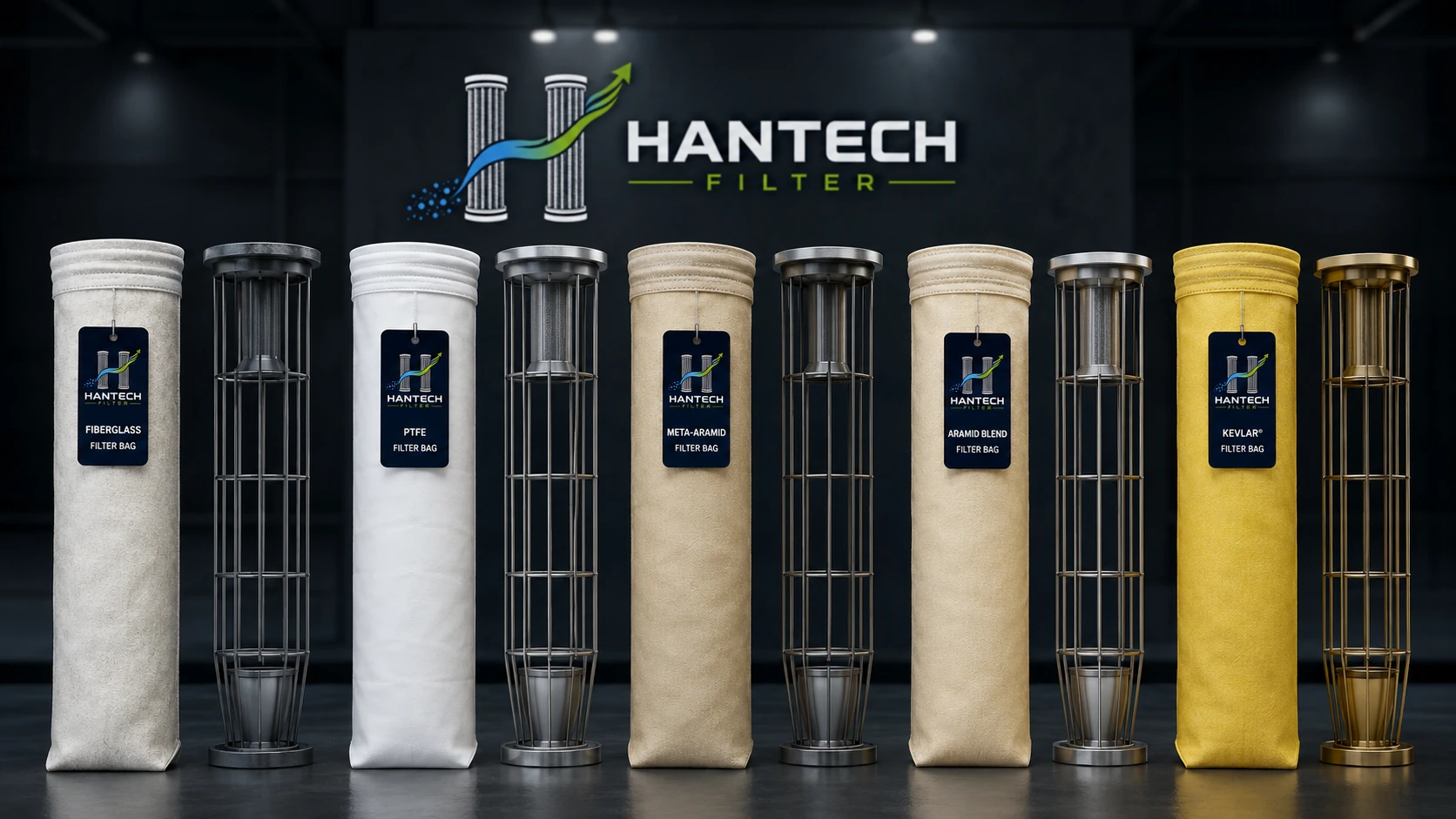
Cage diameter, wire count, venturi, pulse pressure, and differential pressure are inseparable parts of bag performance.
Snap-band, clamped, flanged, raw edge, ring, corded, or custom top connection.
Seam and media selection based on pulse-jet, reverse-air, shaker, and horizontal/vertical mounting type.
The choice between standard felt, microfiber, or ePTFE membrane is made based on the target outlet dust level.
Wear, moisture, temperature fluctuation, and chemical load determine bag life.
When selecting filter bag media, continuous operating temperature, short-term peak temperature, and chemical resistance are evaluated together. The values below are a general selection reference based on Hantech's technical media classification and should be verified against the actual process temperature, moisture, oxygen, and gas composition.
| Felt/scrim and fiber type | Continuous temperature | Peak Temperature | Hantech media code | Hydrolysis resistance | Acid resistance | Alkali resistance | Oxidation resistance |
|---|---|---|---|---|---|---|---|
| Polypropylene | 95 °C | 95 °C | PP | excellent | excellent | excellent | restricted |
| Polyamide | 110 °C | 115 °C | IN PA. | restricted | restricted | Good. | restricted |
| Polyacrylonitrile copolymer | 115 °C | 120 °C | a.c. | Good. | restricted | restricted | Good. |
| Heat-resistant olefin | 125 °C | 135 °C | RO | excellent | excellent | excellent | restricted |
| Polyacrylonitrile homopolymer | 125 °C | 140 °C | DT | Good. | Good. | restricted | Good. |
| Polyester | 140 °C | 150 °C | PE | restricted | restricted | restricted | Good. |
| Polyphenylene sulfide | 190 °C | 200 °C | PPS | excellent | excellent | excellent | restricted |
| m-Aramid | 200 °C | 220 °C | NO, NX | restricted | restricted | restricted | restricted |
| Polyimide | 240 °C | 260 °C | PI | Good. | restricted | restricted | Good. |
| PTFE | 250 °C | 280 °C | PTFE, TFL | excellent | excellent | excellent | excellent |
| Fiberglass fabric | 260 °C | 288 °C | HL | Good. | restricted | restricted | excellent |
* Peak values are for short-term excursions only and should not be used as the continuous design temperature. Bag selection should account for process temperature, dew point, moisture, acid/alkaline gas, and oxidation risk together.
Very low emission, fine dust, easy cake release
Cement, metal, chemical, waste and sensitive emission
Electrostatic charge discharge
ATEX risk, food processing, wood, coal, explosive dust
Cake control for damp, oily, and sticky dust
Lime, cement, energy, wood, food processing
Additional protection against acid, alkali, and chemical environments
Waste incineration, chemical, energy, clinker line
Reducing spark and hot particle risk
Metallurgy, asphalt, hot process lines
Smoothing the surface to improve dust release
Agglomerating, fine and sticky dust
| Media | Heat | Acid/alkali | Hydrolysis | Oxidation | Optimal decision area |
|---|---|---|---|---|---|
| PE Polyester | General cement/silo dust | ||||
| PP | Low temperature + chemical/moisture exposure | ||||
| PPS | Acidic/moist hot flue gas | ||||
| Aramid | Hot mineral/asphalt | ||||
| P84 | High temperature + fine dust | ||||
| PTFE | Aggressive chemicals and critical emissions | ||||
| Fiberglass | Very hot kiln gases |
No single property determines the right filter bag. Continuous and peak temperatures, gas chemistry, moisture, the emission target and cleaning conditions must be assessed together.
Material suitability is verified by comparing manufacturer specifications with actual process conditions.
Feedback is anonymized by industry to protect customer confidentiality. View all customer feedback →
“Dimensions, materials and delivery schedules were clearly defined for the filter bag and cage replacement. Prompt answers to our technical questions made the purchasing decision easier.”Cement plant maintenance teamAnonymised feedback
“It was helpful to assess the dust collection line in terms of operating temperature, dust characteristics and fan/filter compatibility, rather than just the product name.”Mining process operations teamAnonymised feedback
The main cost drivers are material and finish type (polyester, PPS, aramid, PTFE, ePTFE membrane, etc.), size and quantity, cage/top-fitting compatibility, any sample or certificate request, and lead time; the exact price is confirmed after your process data and technical quotation.
Service life depends on temperature fluctuation, moisture/hydrolysis risk, chemical load, pulse pressure and cleaning frequency, cage compatibility and maintenance routine. No fixed lifespan can be quoted; it is assessed together with your process conditions and failure history.
ePTFE membrane suits very low emission targets, fine or sticky dust, and easy cake release; antistatic/conductive fibre is preferred in ATEX-risk environments (food, wood, coal, explosive dust).
Working with a filter bag manufacturer that coordinates material and construction selection with cage, valve and air-handling equipment compatibility provides faster, more consistent responses to requests for dimensions, finishes and technical certificates.
You can start reading published articles related to this topic here.
Blog
Select bags separately for sand preparation, shakeout, blasting and melting duties. Includes net-area calculations, a failure matrix and an RFQ checklist.
Read the article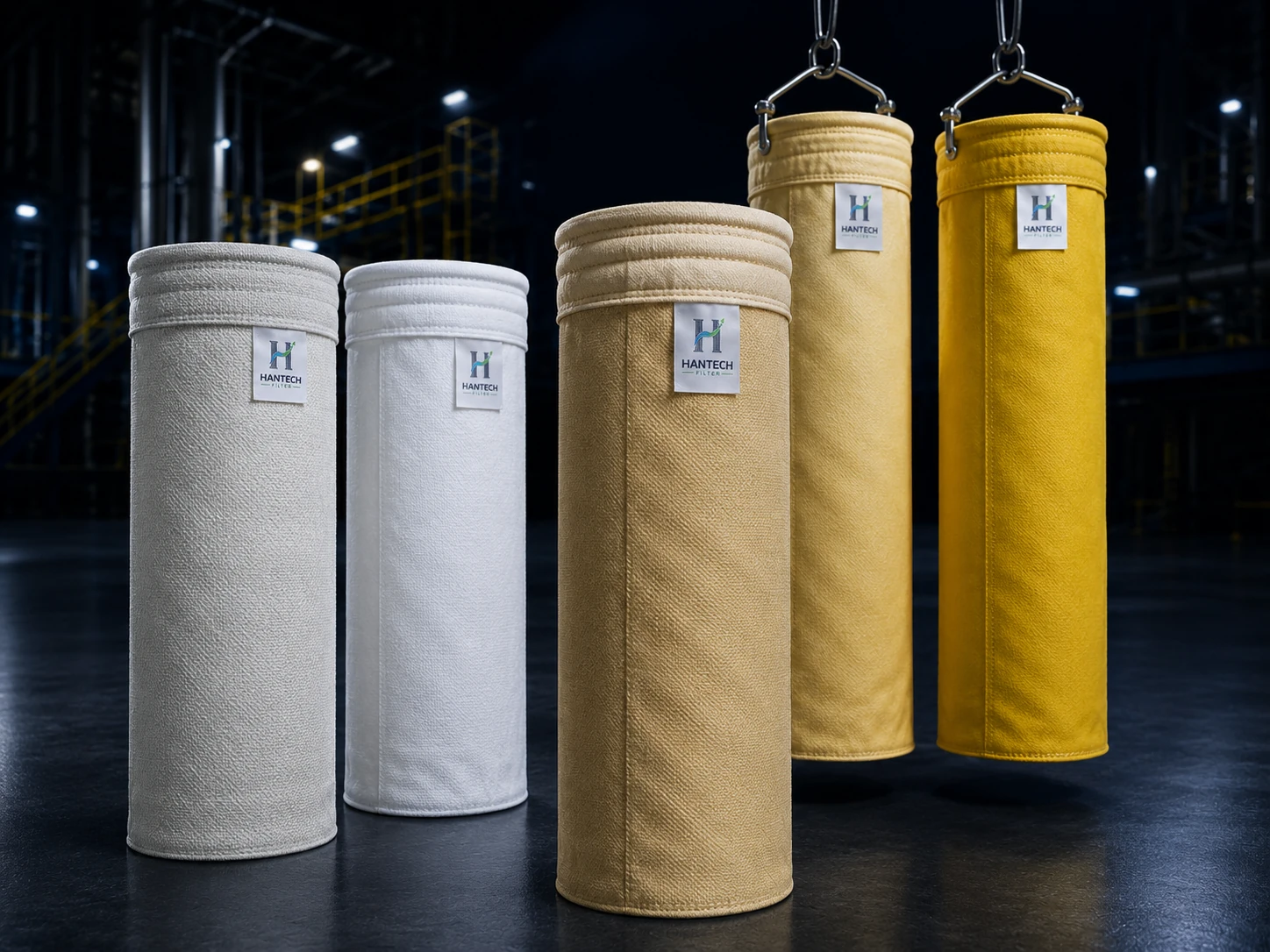 Blog
Blog
Choose ceramic plant filter bags by separating raw-material, press, spray-dryer and kiln duties. Assess PPS suitability, moisture and filtration area.
Read the article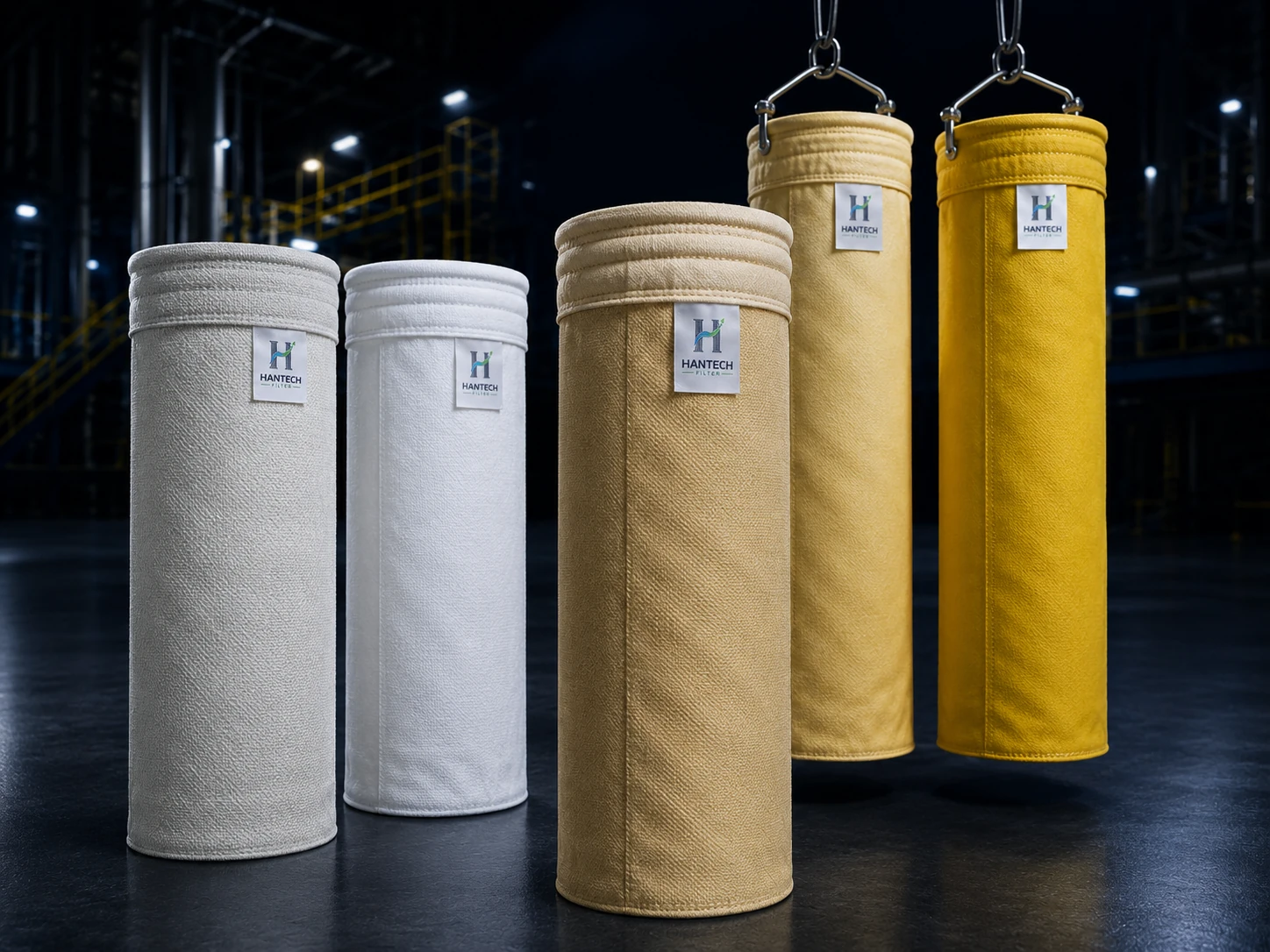 Blog
Blog
Separate dry lead oxide dust from acid mist in lead-acid battery manufacturing. Assess PPS suitability, dust loading, sealing and RFQ requirements.
Read the article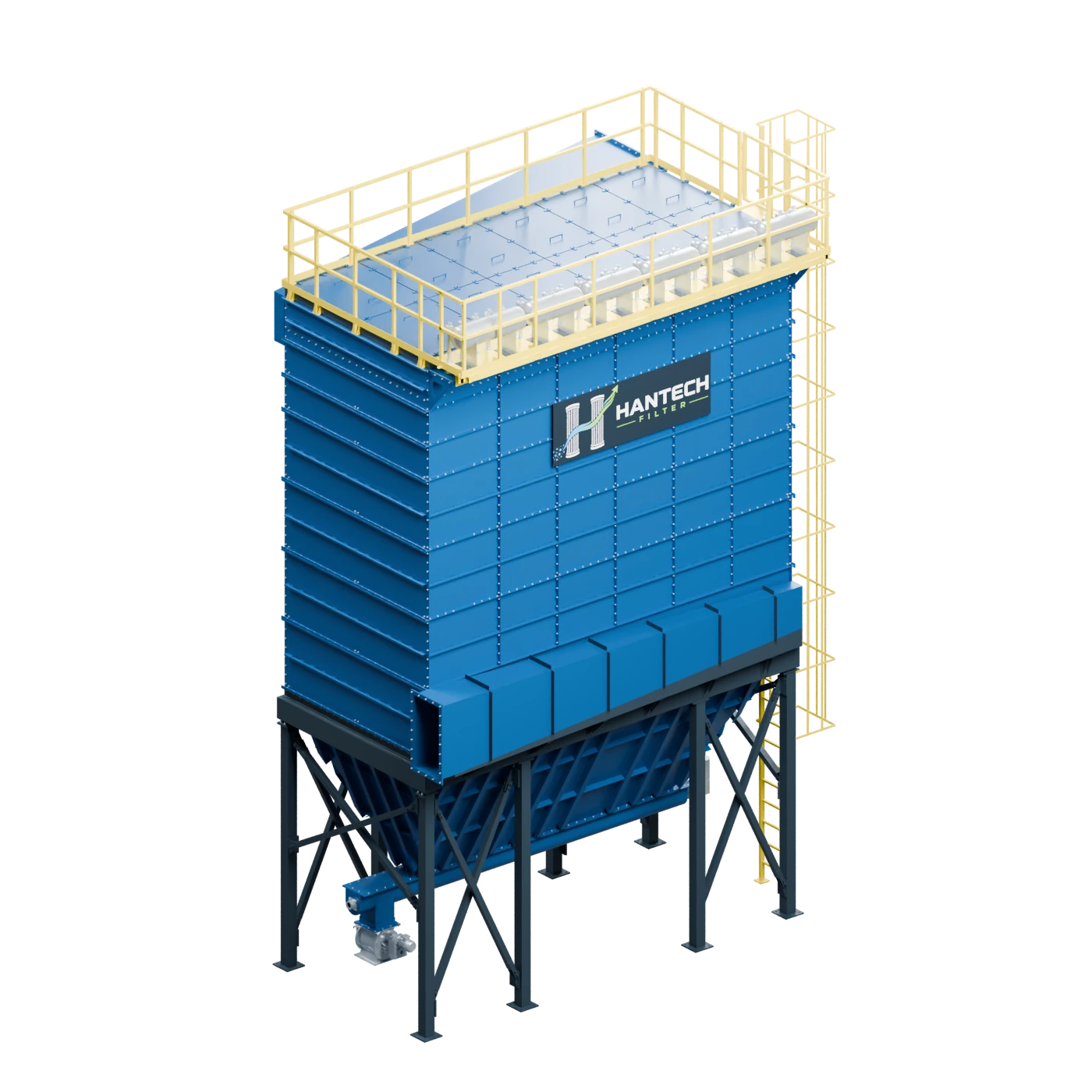 Blog
Blog
Assess PPS bags for coal and biomass boilers using fuel, oxidation, moisture and actual flow data. Work through a net filtration-area example.
Read the article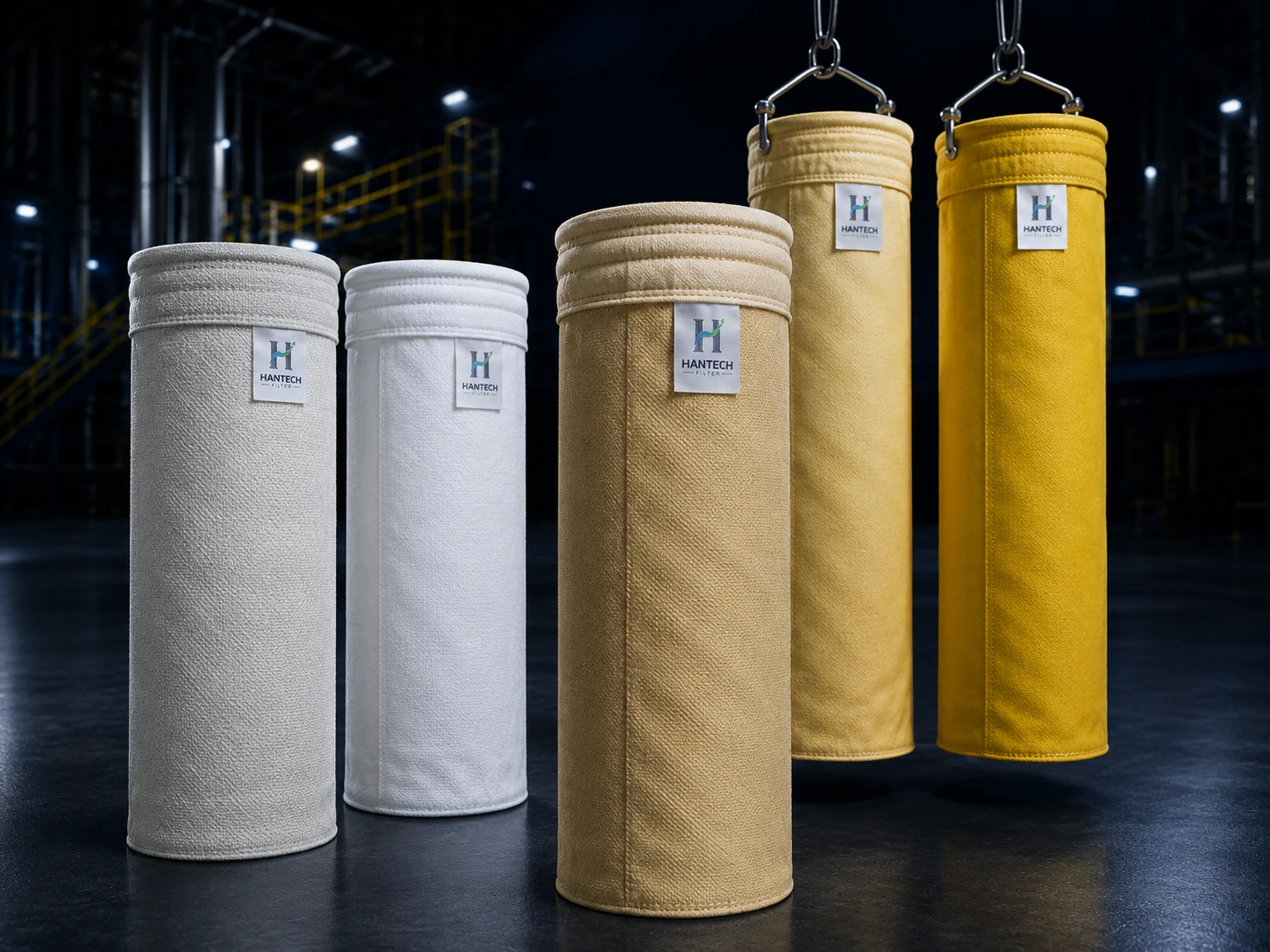 Blog
Blog
Define your asphalt plant filter bag specification using cleaning method, bag dimensions, support compatibility and operating data.
Read the article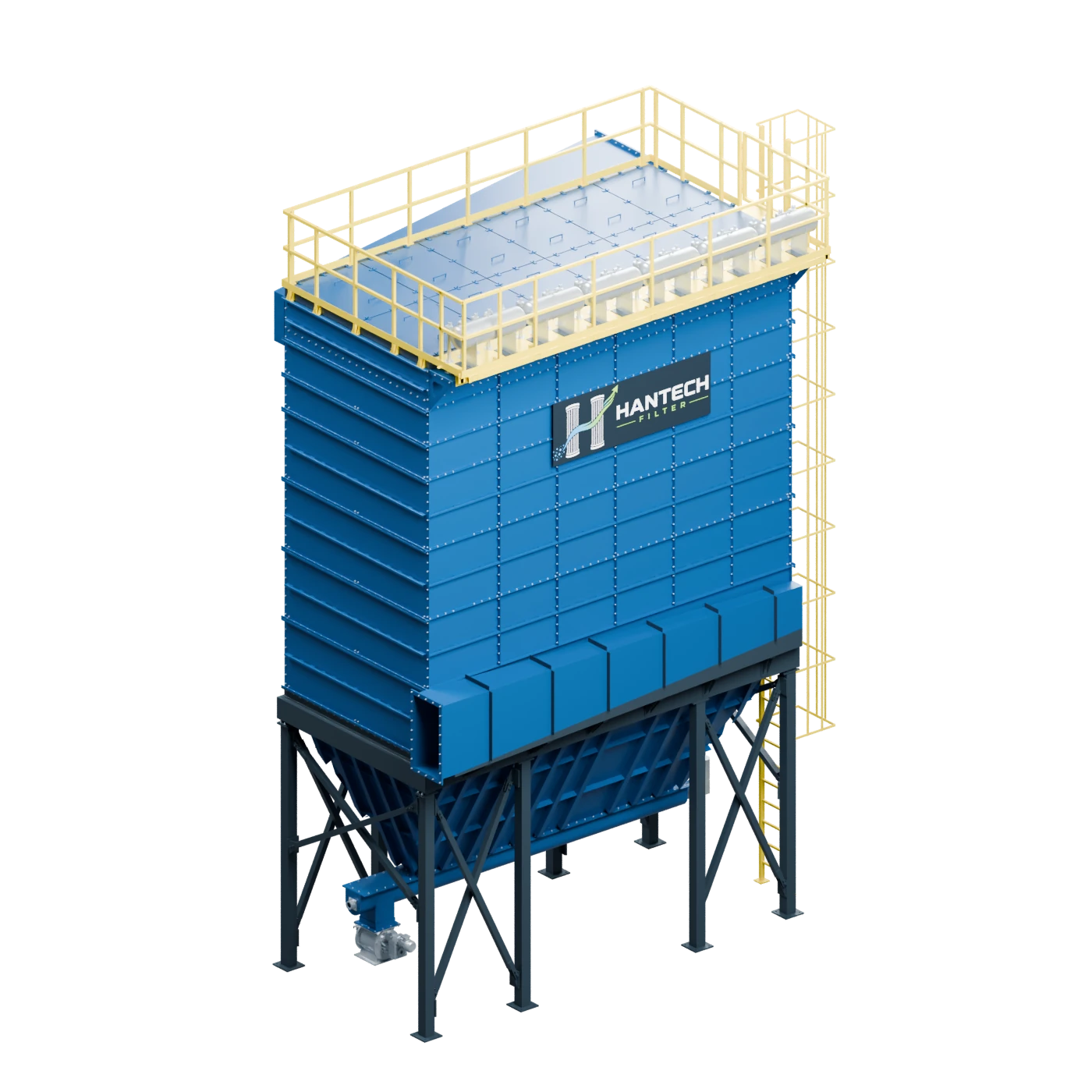 Blog
Blog
A worked technical guide to asphalt filter bag selection using temperature, moisture, gas chemistry, actual flow and air-to-cloth ratio.
Read the article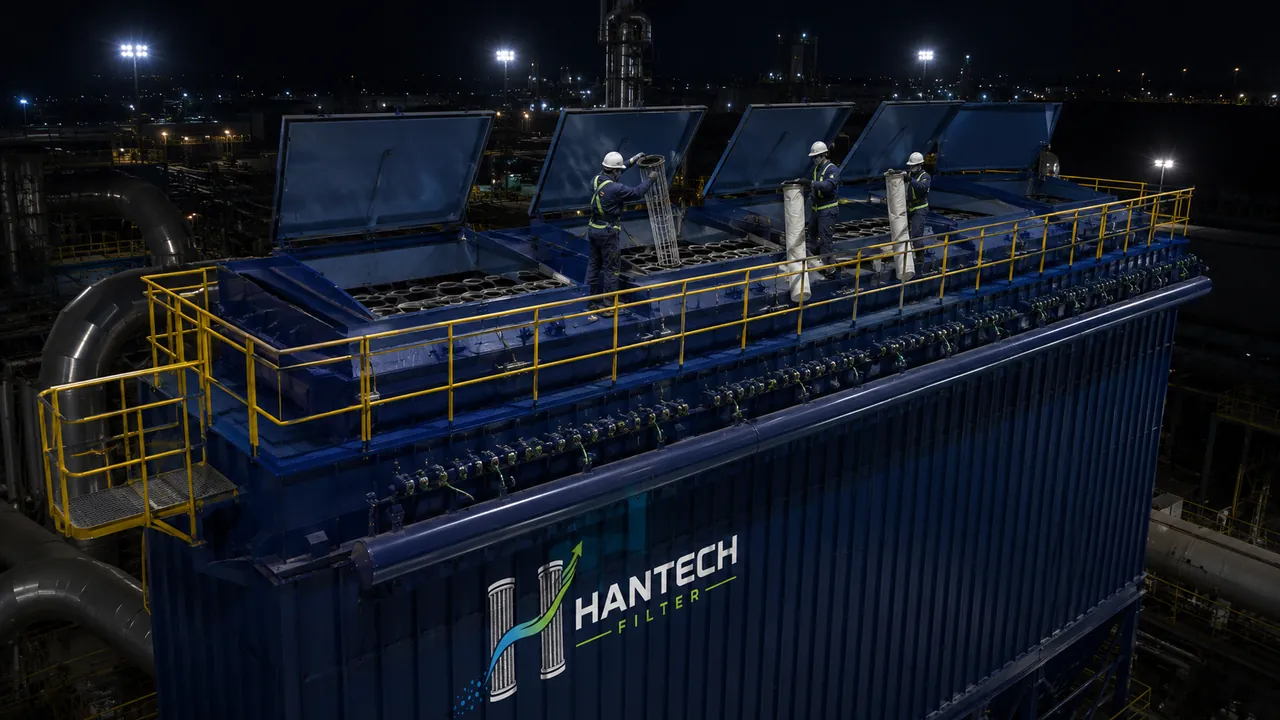 Blog
Blog
Distinguish blinding, high differential pressure, holes and heat damage in asphalt filter bags using measurements and a failure map.
Read the article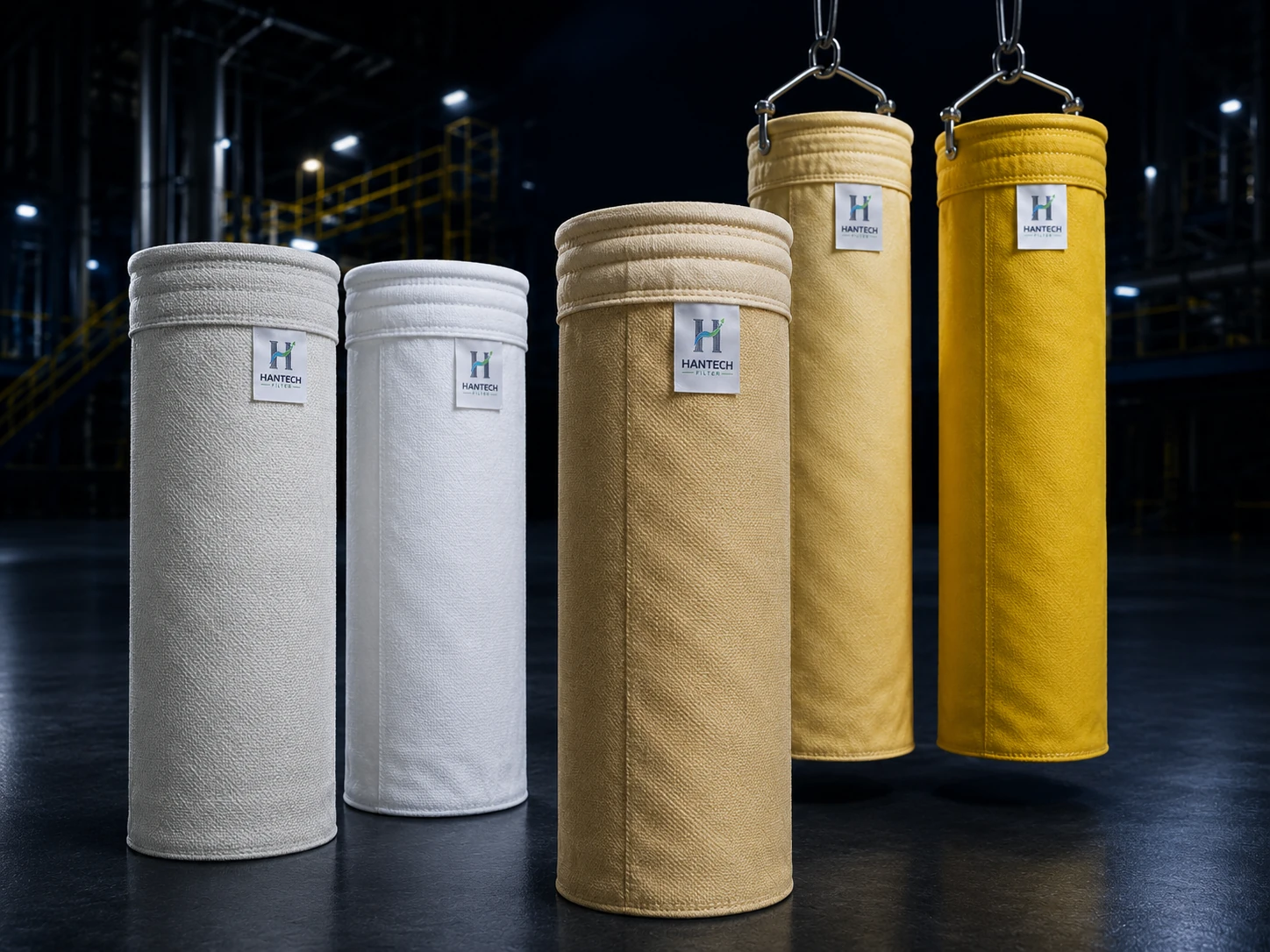 Blog
Blog
Filter bag sizing is more than the width and length of a used bag. Measure the bag, cage, snap-band and tube sheet together to create a production-ready technical data set.
Read the article Blog
Blog
Fiberglass PTFE filter bags are a strong option in heavy-duty processes that combine high temperature, chemical resistance and low-emission requirements. However, because of the brittle nature of glass fiber, an expensive bag can be damaged in a short time if the cage, pulse pressure, installation and packaging conditions are not properly managed.
Read the article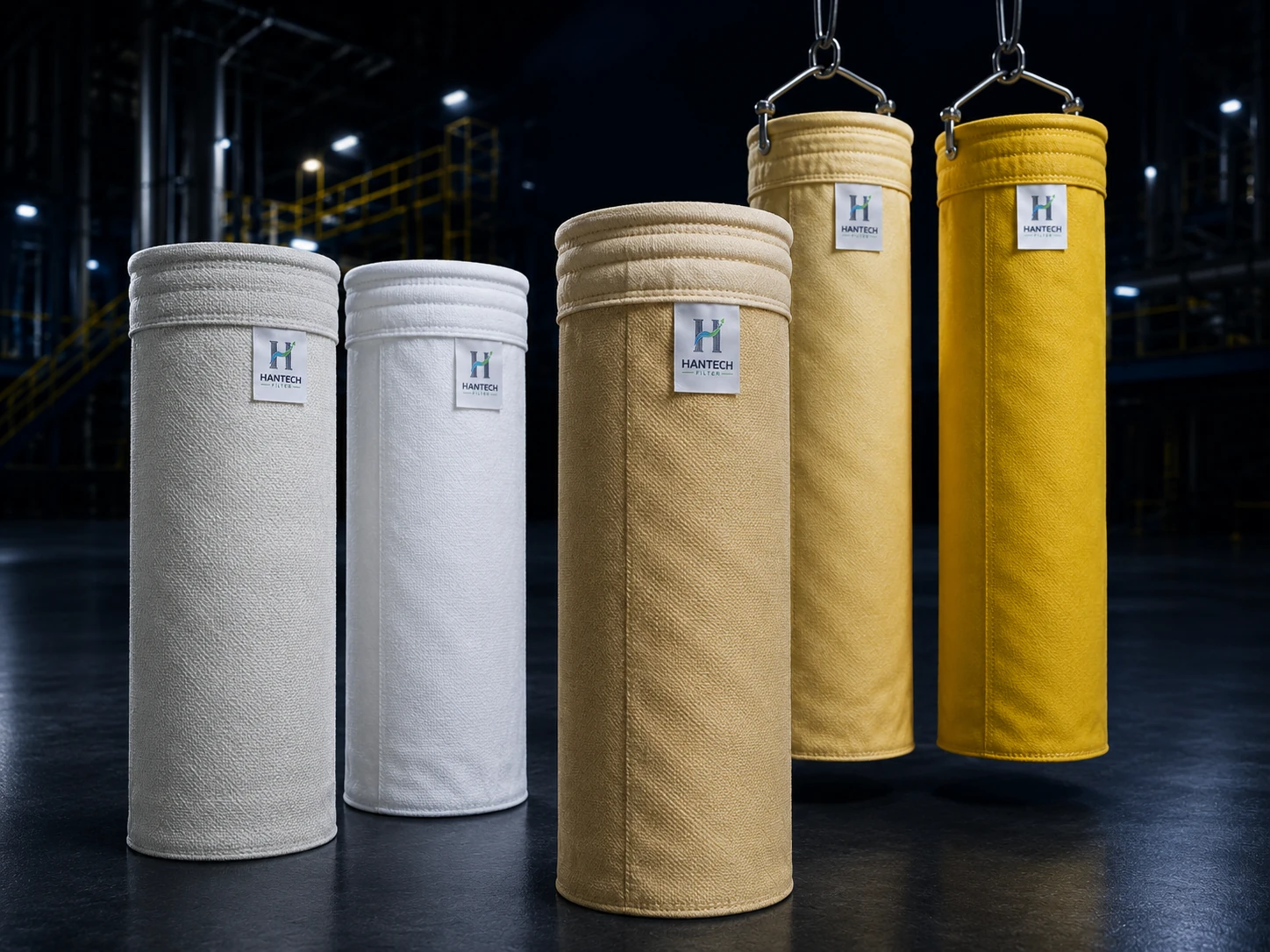 Blog
Blog
Choosing a more expensive media alone is not enough to extend filter bag life. Flow rate, A/C ratio, dP trend, pulse-jet pressure, cage surface, snap-band seating, moisture, dew point, dust micron size, and hopper discharge arrangement must all be checked together.
Read the article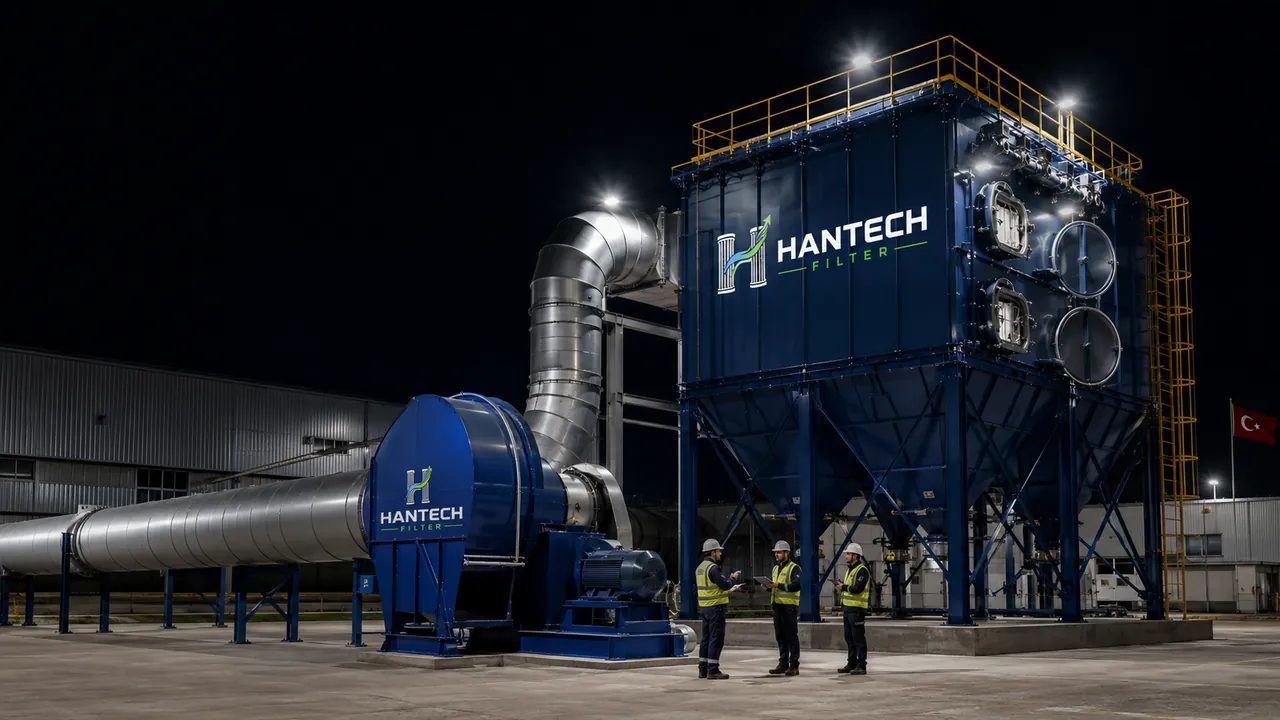 Blog
Blog
Filter bag selection at cement plants must be made separately for the raw mill, clinker, cement mill, silo, and packing points, based on temperature, moisture, alkalinity, abrasiveness, particle size distribution, SOx/NOx risk, cage fit, and pulse-jet cleaning conditions.
Read the article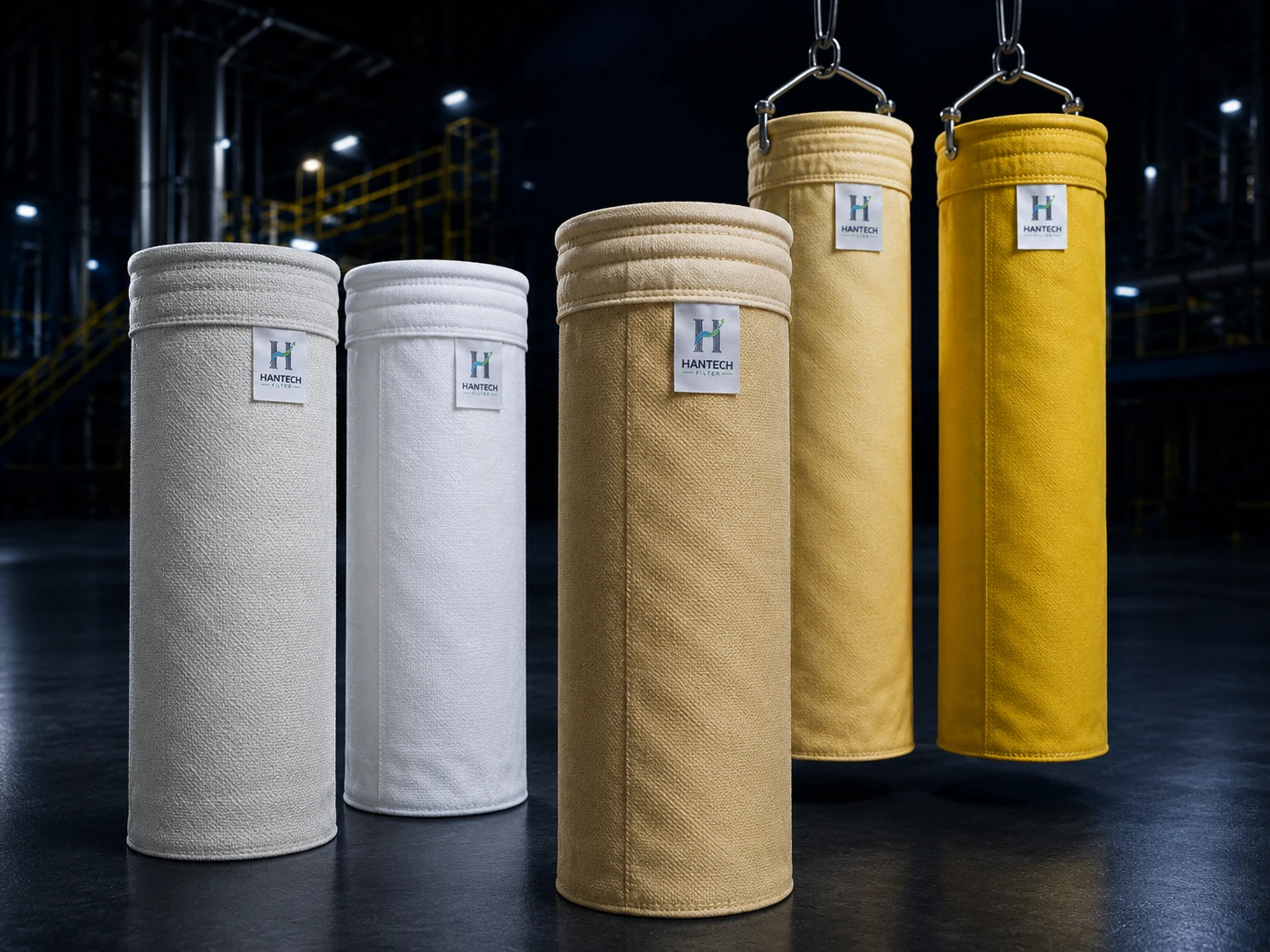 Blog
Blog
The correct filter bag selection must be made based on temperature, humidity, dust characteristics, chemical composition, filtration velocity, and the cleaning system.
Read the article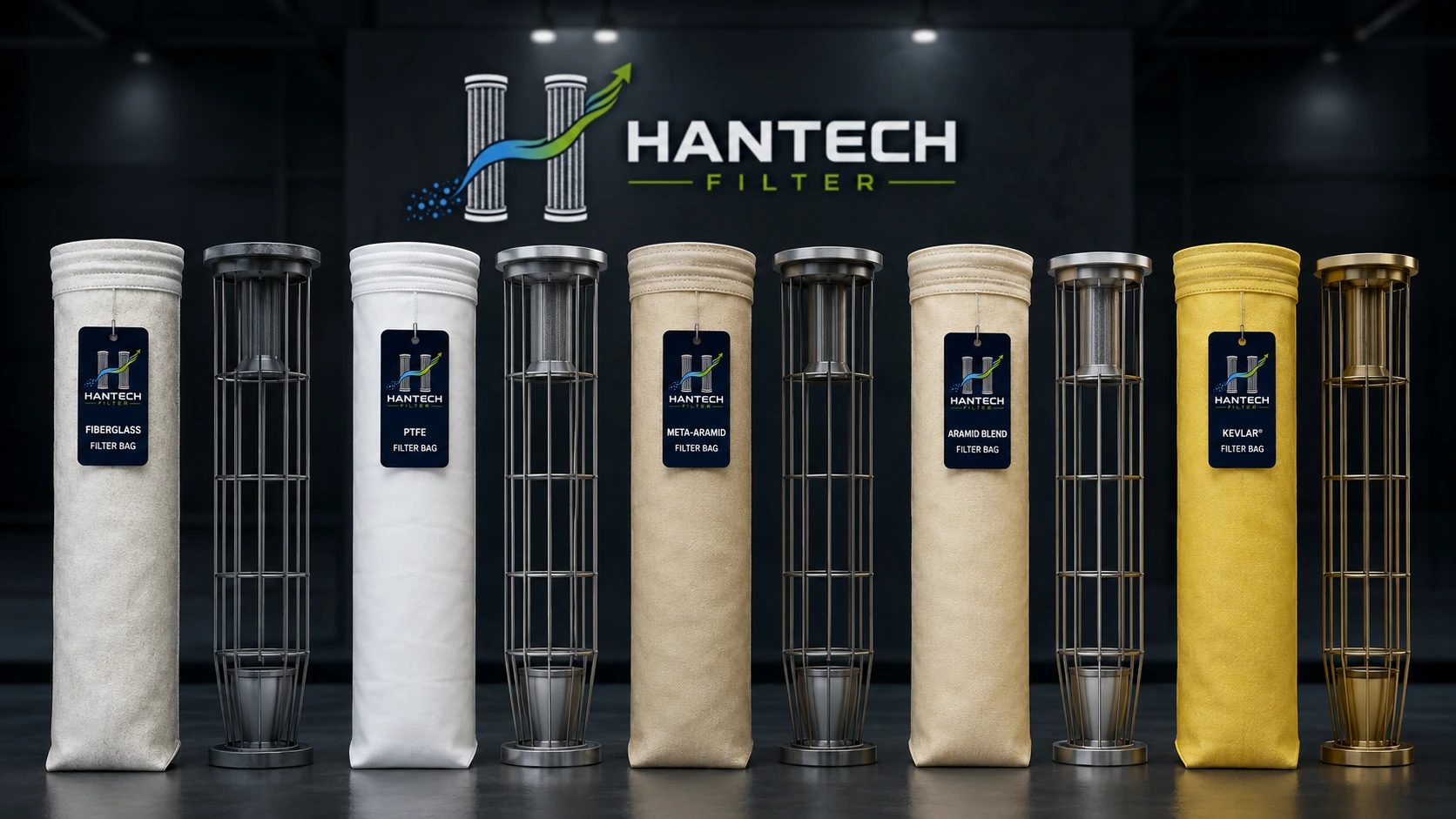 Blog
Blog
A PTFE membrane is considered in processes where fine dust penetrates the felt, a low emission target is required, and more stable surface filtration is desired. A membrane alone does not imply a 240°C temperature class; the limit is set by the carrier media and the overall bag construction.
Read the article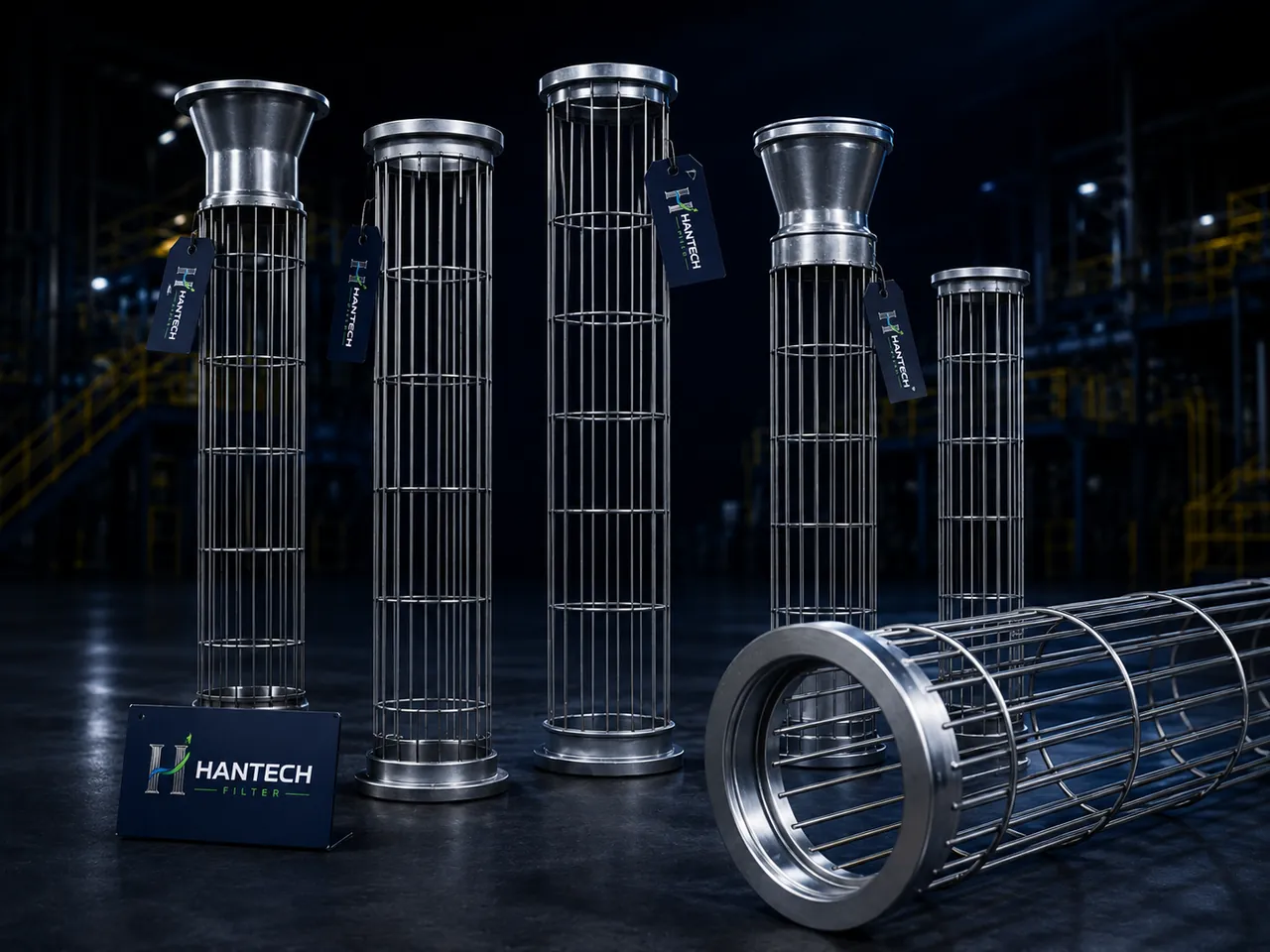 Blog
Blog
Filter cage selection is made based on bag diameter, cell plate hole size, wire count, coating, venturi, surface smoothness, and compatibility with pulse-jet cleaning. An incorrect cage can wear down even a correctly selected filter bag in a short time, creating a risk of leakage and high differential pressure.
Read the article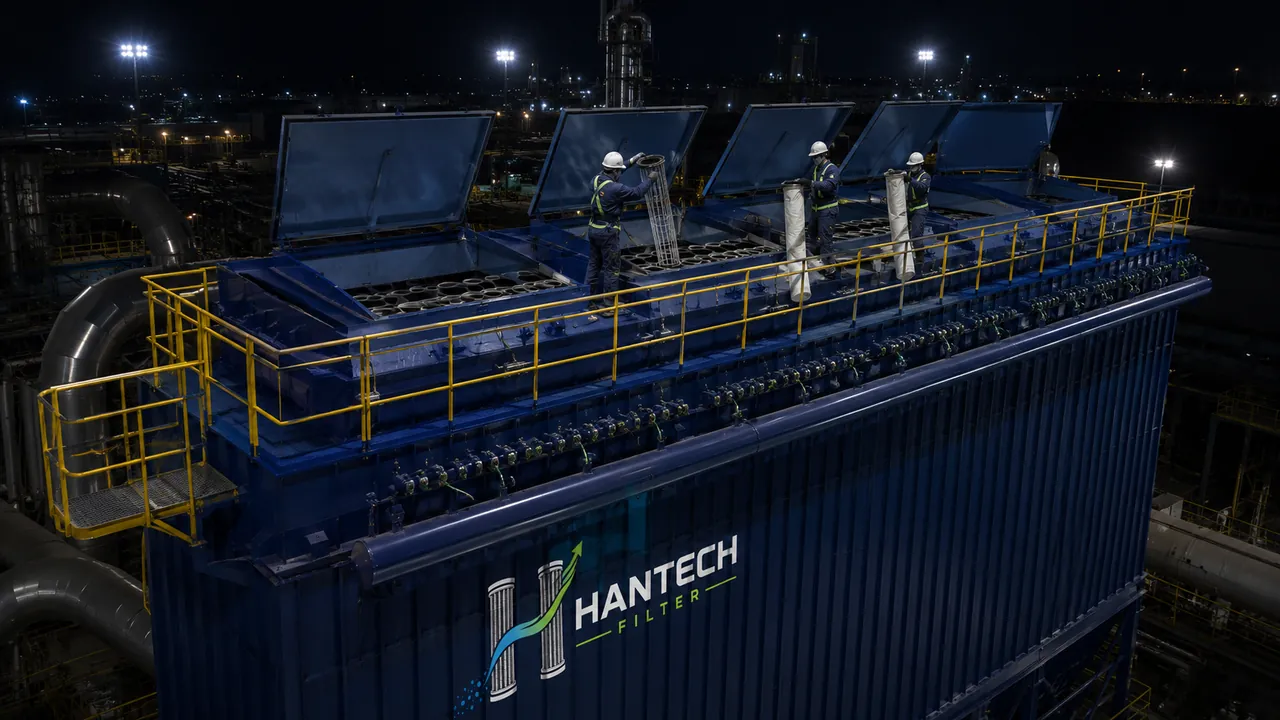 Blog
Blog
In a pulse-jet system, compressed air cleans the bags with short bursts; the valve, air tank, blow pipe, and differential pressure control work together.
Read the article